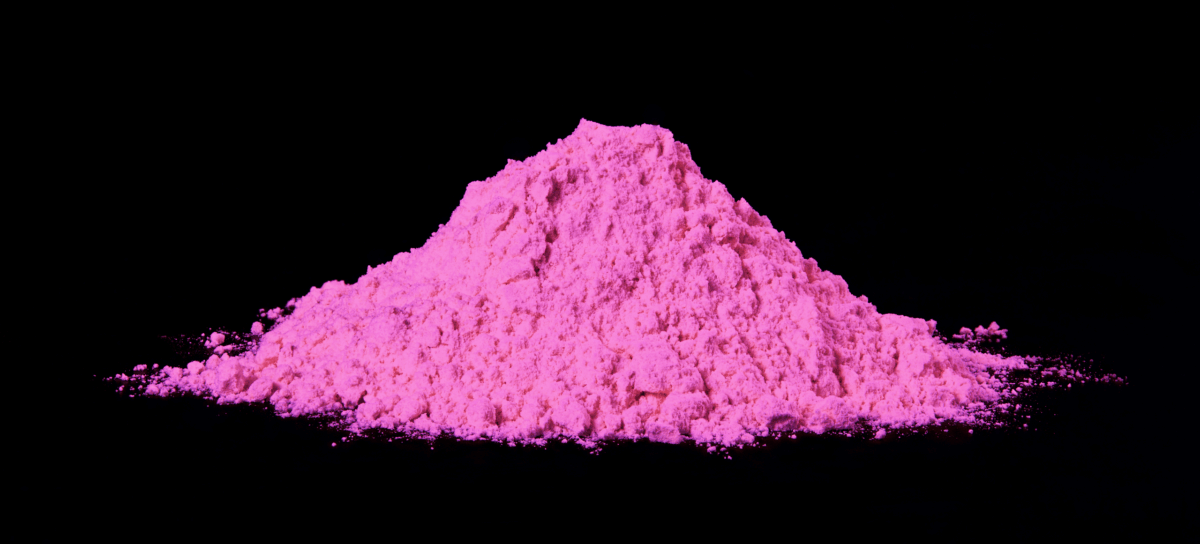
Tranq Dope Wounds: When to Go to the ER
Tranq dope wounds can start out looking… not that bad. A little sore. A small scab. Maybe a spot that keeps reopening.
And then a few days later it is bigger, darker, weeping fluid, and the skin around it feels hot and tight. Or the pain suddenly changes. Or the smell shows up. That “something is wrong” smell.
If you are dealing with tranq dope wounds right now, this is not the time for guesswork. Xylazine is changing what these wounds look like and how fast they can spiral. The safest move is knowing when to go to the ER, and going early. Not “when it gets unbearable.”
Below is a practical guide. No scare tactics. Just clear signs, what ER staff usually do, and what to do if you are trying to stay as safe as possible.
First, what “tranq dope” wounds usually are (and why they are different)
“Tranq dope” usually means fentanyl or heroin mixed with xylazine, a veterinary sedative. It is not an opioid, and naloxone does not reverse it. People can still overdose on fentanyl in the mix, but xylazine adds a whole other layer of risk.
One of the biggest differences people notice is skin breakdown and wounds that can happen:
- with or without injecting into that spot
- far away from the injection site
- in clusters, or in weird shapes
- with tissue that looks gray, black, or “dead” sooner than expected
There are a few reasons this can happen. Xylazine is linked with reduced blood flow and skin and soft tissue injury. Less blood flow means less oxygen and fewer immune cells getting to the area, which means infections can set up camp fast. And once tissue starts dying, it becomes a perfect place for bacteria to grow.
So yes. You can do “everything you usually do” and still end up with a wound that behaves differently than a typical abscess.
What a tranq dope wound can look like (common patterns)
Not everyone gets the same presentation, but people often describe:
- Open sores that keep enlarging
- Thick scabs that fall off and reveal a deeper crater
- Black or gray tissue (necrosis)
- Yellow or green drainage, sometimes thick
- Swelling and redness spreading outward
- Severe pain, or sometimes oddly little pain even when it looks bad
And there is another tricky thing. Some tranq wounds don’t “announce” themselves with intense pain at first. That can delay care, which is exactly what you do not want.
When to go to the ER right now (not urgent care, not “tomorrow”)
If any of the following are happening, treat it as an ER situation.
1) You have fever, chills, or feel flu-like
This can mean the infection is no longer “local.” If you have a wound plus:
- fever (even low grade)
- shaking chills
- body aches
- nausea or vomiting
- feeling weak, dizzy, or confused
Go. Sepsis can start like a bad flu.
2) Redness is spreading, or there are red streaks moving up the limb
If the redness keeps expanding over hours, or you see streaking, that can signal spreading infection (cellulitis, lymphangitis). This is one of those “don’t wait” signs.
3) The wound is getting black, gray, or has dead-looking tissue
Necrosis is not a home-care project. Dead tissue blocks healing and raises the risk of deeper infection. ER teams can assess depth, circulation, and whether you need debridement.
4) You see exposed fat, tendon, or bone, or the wound is deep like a crater
Depth matters. A deeper wound can track infection into muscle or even bone (osteomyelitis). If you can’t tell how deep it is, assume it is deeper than it looks.
5) The pain suddenly becomes severe, or the area becomes numb
Both extremes are concerning.
- Severe, escalating pain especially “out of proportion” to what you see can be a red flag for dangerous soft tissue infections.
- Numbness can mean nerve involvement, severe swelling, or tissue death.
Either way. ER.
6) There is a foul odor, heavy pus, or rapidly increasing drainage
A strong smell can mean tissue breakdown or certain bacterial infections. Thick yellow, green, brown drainage, or a sudden increase in fluid needs medical attention.
7) You have swelling of the whole limb, tight shiny skin, or trouble moving joints
This can signal a deeper infection, compartment issues, or a clot risk. Also, if the wound is near a joint and you cannot move it normally, do not wait.
8) You have signs of overdose, heavy sedation, or you can’t stay awake
Because tranq dope is often fentanyl plus xylazine, sedation can be intense and prolonged. If someone is hard to wake, breathing is slow, lips are blue, or they are making gurgling sounds, call emergency services.
Give naloxone if opioids may be involved, even though it will not reverse xylazine itself. Naloxone can still save a life if fentanyl is on board.
9) You have diabetes, poor circulation, immune suppression, or you are pregnant
With these risk factors, infections go sideways faster. If you have a wound that is worsening, you generally want an ER-level evaluation sooner.
10) “Something is wrong” is getting louder in your head
This sounds vague, but it is real. If you are watching a wound change quickly and your gut says it is beyond you, listen to that.
When it is still urgent, but not necessarily an ambulance call
Not every wound needs sirens. But many still need same-day medical care (ER if you cannot get same-day wound care elsewhere).
Consider urgent evaluation if:
- the wound is enlarging over days
- there is increasing redness but no fever yet
- the center looks pale, dusky, or unstable
- you keep reopening it, it will not close, or it bleeds easily
- you have increasing swelling around the area
- you used antibiotics before and it did not improve
If you are unsure where to go, the ER is the safer choice, especially with suspected tranq-related tissue injury. These are not always “simple skin infections.”
What the ER might do (so it feels less scary)
A lot of people delay the ER because they assume they will be judged, or they are worried about withdrawal, or cost, or they have had bad experiences. All valid fears. Still, knowing what tends to happen can reduce the dread.
In the ER, depending on severity, they may:
- check vitals and screen for sepsis (temperature, heart rate, blood pressure)
- do blood work (white count, inflammatory markers)
- culture drainage if there is pus
- give IV fluids if you are dehydrated or septic
- start antibiotics (sometimes IV)
- do imaging like ultrasound, X-ray, or CT to check for abscess, gas in tissues, or bone involvement
- numb and drain an abscess if needed
- consult surgery or wound care for debridement if there is necrotic tissue
- update tetanus shot if you need it
- address pain control and withdrawal management in some cases, especially if you are admitted
You can also say, plainly:
“I am worried this is a xylazine related wound. It is getting worse fast.”
That sentence matters. It helps frame the situation correctly.
If you are worried about withdrawal in the ER
Bring it up early. You are not being difficult, you are being practical.
You can say: “I am at risk of withdrawal while I’m here. Can we talk about managing that?” Some hospitals can initiate medications for opioid use disorder or provide symptomatic support. It varies, but asking is better than silently suffering.
It's important to note that impulsiveness and addiction often go hand in hand, which might make managing withdrawal symptoms more challenging.
A quick “should I go” checklist you can use in 30 seconds
Go to the ER if you can say yes to any of these:
- I have fever, chills, confusion, vomiting, or feel very sick.
- Redness is spreading or streaking.
- The wound is black, gray, or looks like dead tissue.
- I see deep tissue, or it is a crater.
- Pain is extreme or the area is numb.
- Drainage is heavy, foul-smelling, or changing fast.
- The whole limb is swelling or I can’t move normally.
- I am sedated, hard to wake, or breathing is slow.
If you are hovering between “maybe” and “probably,” that is usually your answer. Go.
What not to do at home (common things that make it worse)
This part is touchy because people are doing their best with what they have. Still, a few patterns cause real harm.
- Do not cut into the wound yourself with non-sterile blades or needles.
- Do not pack random powders or harsh chemicals into it.
- Do not repeatedly peel scabs off to “check it.”
- Do not ignore black tissue and hope it will “fall off and heal.”
- Do not share wound care supplies like scissors, tweezers, or ointment jars.
If you are going to clean it at home while you arrange care, stick with gentle basics: clean hands, clean water or saline, gentle soap around the area, pat dry, cover with a non-stick dressing, and change it when it gets wet or dirty. And then get evaluated.
If you are still using, harm reduction that actually matters for wounds
This is not a lecture. It is just reality. Continuing to use increases risk, but there are ways to reduce some damage.
- Rotate sites, avoid injecting into or near wounds.
- Use new supplies if possible.
- Clean the skin first.
- Avoid injecting when you are alone.
- Have naloxone nearby and a person who can respond.
- If you notice new sores appearing away from injection sites, treat that as a warning sign and get checked.
Also, hydration, nutrition, and sleep matter more than people think for wound healing. Even small improvements help.
After the ER: what next, because this is usually not one-and-done
Tranq dope wounds can require ongoing wound care, follow-ups, and sometimes addiction treatment support to stabilize everything around the wound. If you keep getting reinjured, healing is going to be a fight every day.
If you or someone you love wants help not just with the wound, but with the substance use piece underneath it, that is where treatment can become a turning point.
BriteLife Recovery offers medically supervised detox and residential treatment for substance use and co-occurring mental health conditions, with locations across several states. If you're ready to talk to a real person about options, you can start here: BriteLife Recovery.
And remember, if you're in a situation where you need to take time off work for treatment, it's important to communicate this with your employer effectively. Here’s a helpful resource on how to tell your employer you need to go to treatment. No big speech. Just a next step if you want it.
A few words for the person who is embarrassed to go in
A lot of people wait because they are ashamed of the wound, or they are tired of being treated like a problem. I get it.
But wounds do not care about shame. Infection does not care either. And xylazine related tissue injury is not the kind of thing you “tough out” successfully.
Going to the ER early can mean:
- a simpler antibiotic plan
- less tissue loss
- avoiding surgery
- avoiding amputation
- avoiding bloodstream infection
That is the whole point.
The bottom line
Tranq dope wounds can look deceptively manageable until they are not. If you have spreading redness, fever, black or gray tissue, deep craters, foul drainage, extreme pain, numbness, whole-limb swelling, or overdose-level sedation, go to the ER.
If you are unsure, go anyway. Earlier care is almost always easier care.
And if you want help stepping out of the cycle that keeps creating these emergencies, BriteLife Recovery is a solid place to start: https://britelife.com
FAQs (Frequently Asked Questions)
What are tranq dope wounds and how do they differ from typical injection site wounds?
Tranq dope wounds result from using fentanyl or heroin mixed with xylazine, a veterinary sedative. Unlike typical opioid wounds, these wounds can occur at or far from injection sites, often in clusters or unusual shapes. Xylazine causes reduced blood flow leading to rapid skin and soft tissue injury, necrosis (dead tissue), and faster infection development, making these wounds behave differently than usual abscesses.
What common signs and symptoms indicate a tranq dope wound is worsening?
Common signs include open sores that enlarge over time, thick scabs revealing deeper craters when they fall off, black or gray necrotic tissue, yellow or green thick drainage, spreading swelling and redness, severe or surprisingly little pain despite serious damage, and a distinct foul odor indicating infection or tissue breakdown.
When should someone with a tranq dope wound go to the emergency room immediately?
You should seek ER care if you experience fever, chills, flu-like symptoms; spreading redness or red streaks on the limb; black or dead-looking tissue; exposed fat, tendon, bone, or deep crater-like wounds; sudden severe pain or numbness; foul odor or heavy pus drainage; swelling of the entire limb or joint movement trouble; signs of overdose like heavy sedation or difficulty waking up; underlying conditions like diabetes or immune suppression worsening the wound; or if you sense something is seriously wrong.
Why is it important not to delay ER visits for tranq dope wounds until pain becomes unbearable?
Tranq dope wounds caused by xylazine can progress rapidly without intense early pain signals. Delaying care allows infections to spread deeper into tissues and can lead to sepsis, necrosis, and severe complications. Early ER evaluation helps assess wound depth, circulation issues, need for debridement, and prevents life-threatening conditions.
How does xylazine in tranq dope affect overdose treatment?
Xylazine is not an opioid and naloxone does not reverse its effects. However, since tranq dope often contains fentanyl alongside xylazine, naloxone should still be administered to counteract opioid overdose effects. Xylazine adds prolonged sedation risks requiring medical attention even after naloxone administration.
What precautions should people with diabetes or compromised immune systems take regarding tranq dope wounds?
People with diabetes, poor circulation, immune suppression, or pregnancy have higher risk of rapid infection progression and complications. They should seek emergency-level evaluation sooner if their wound worsens rather than waiting. Close monitoring and prompt medical care are essential to prevent serious outcomes.