Pink Cocaine (Tusi): Why It’s So Unpredictable
Pink cocaine. Tusi. 2C. Whatever name it’s going by on a given weekend.
If you’ve heard about it lately, it’s probably because someone said it’s a “party drug,” or because a friend of a friend tried something neon pink and had a completely unhinged night. And that’s kind of the point. The stories are all over the place.
Some people feel euphoric and chatty. Others spiral into panic, paranoia, vomiting, overheating, hallucinations, blackouts. Sometimes all of that in the same person, in the same night. It’s not just “strong.” It’s unpredictable in a way that makes it especially risky.
And a big reason is simple, annoying, and dangerous.
Tusi usually isn’t one drug.
It’s often a mixture. A mystery blend. A powder that looks consistent but can act like a roulette wheel.
This article is about what “pink cocaine” actually is, why it’s so hard to predict, and what to do if you or someone you care about has gotten pulled into it.
First, what is “pink cocaine” (tusi)?
Despite the name, pink cocaine is usually not cocaine. The “cocaine” part is basically marketing.
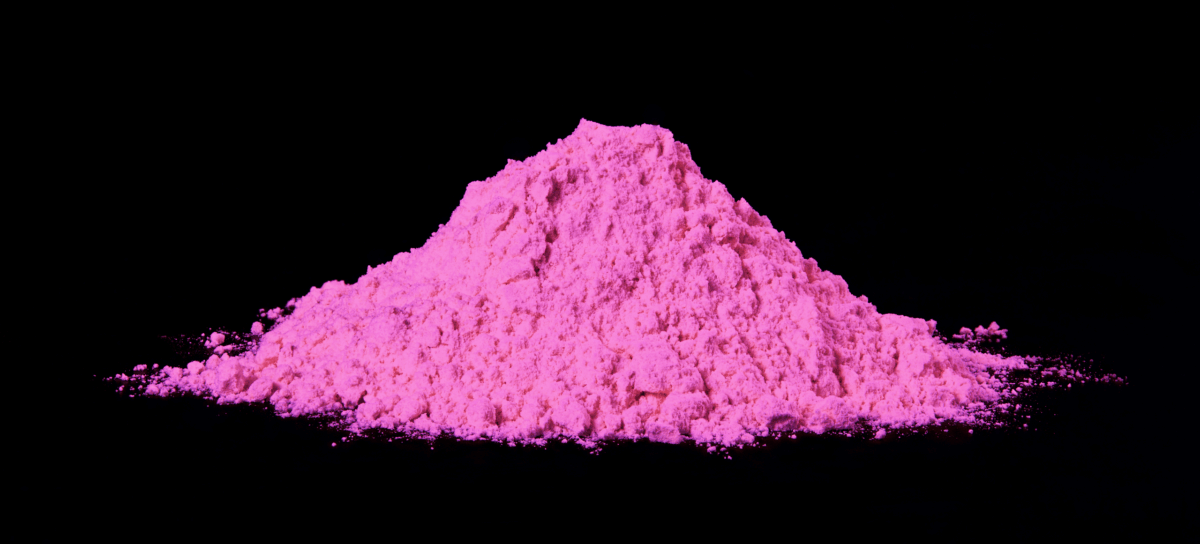
“Tusi” is commonly sold as a pink powder and often positioned like some kind of upscale club drug. People associate it with exclusivity, designer vibes, that whole “this is different from the usual stuff” story.
But in real life, what’s being sold as tusi can include different substances, in different combinations, in different strengths. It might contain a dissociative. A stimulant. A psychedelic. An opioid. A benzodiazepine. Or none of the above, or all of the above. It depends on who made it, what they had access to, and what they thought would sell.
Sometimes people mention “2C-B” when they talk about tusi, and yes, in some cases a product sold as tusi may contain 2C-B or be inspired by it. But a lot of what’s actually on the street under the tusi label is not a single, reliable substance with predictable dosing. It’s closer to a DIY cocktail.
And cocktails are hard to control even when you can see the ingredients.
If you or someone you know is struggling with substance use related to this unpredictable drug, it's crucial to seek professional help. There are numerous resources available across various locations such as New York, Pennsylvania, and South Carolina where treatment programs can assist in recovery. In New York specifically, there are also specialized alumni programs that provide ongoing support for individuals after completing their treatment program.
Why it’s so unpredictable (the real reasons)
1) It’s often a blend, not a drug
If you take something like alcohol, you pretty much know what you took. The amount might vary, your tolerance might vary, but the substance is the substance.
With tusi, you can’t assume that.
You might be taking a combination of:
- A stimulant that pushes heart rate and body temperature up
- A dissociative that messes with coordination and pain perception
- A psychedelic that changes perception and can trigger panic
- A sedative that slows breathing and memory formation
That mix creates effects that can feel chaotic, even at “normal” party doses. And if someone re-doses because “it’s not hitting yet,” things can go sideways fast.
2) Color makes it feel consistent, but it’s not
The pink color is part of what sells it. It looks branded. It looks like it came from a lab.
But color is not quality control.
A dyed powder can be wildly inconsistent from batch to batch, or even within the same bag. Hot spots happen. One scoop is mild, the next is overwhelming.
So you can get two people taking the “same” tusi and having completely different experiences. That’s not a personal weakness or “they couldn’t handle it.” It can literally be the product.
3) Dose is basically a guess
With many drugs, dose matters, obviously. But at least there’s a general range people talk about.
With tusi, the active ingredients and their amounts may be unknown, so the idea of a “safe dose” gets shaky. Someone might measure carefully and still be wrong, because the powder itself isn’t standardized.
And when multiple substances are involved, dose gets more complicated because the drugs can potentiate each other. One ingredient can amplify another. Or mask it. Or delay it.
This unpredictability in dosage and effects is part of why addiction treatment can be so challenging for those in need of help.
4) Onset and duration can be misleading
If a mixture contains ingredients that kick in at different times, you get that classic trap:
- Person takes a dose
- Doesn’t feel much right away
- Takes more
- Suddenly everything hits, layered, and way too hard
Sometimes people describe a “wave” effect, like they’re fine and then they’re absolutely not fine.
That’s not just anxiety. That can be pharmacology.
5) Mixing with alcohol or other drugs makes it even messier
This is where things can turn from unpredictable to dangerous.
Alcohol alone affects coordination, decision making, body temperature regulation, and breathing. If tusi contains sedating ingredients and it gets combined with alcohol, risk goes up. If it contains stimulants and it gets combined with alcohol, people often don’t realize how impaired they are and keep going.
And if any batch contains something like fentanyl (or other potent opioids), that’s a whole different level of emergency. The person might not know they took an opioid at all. They just think tusi is making them “sleepy.” Until they stop breathing normally.
Even without opioids in the mix, combining substances increases the chance of:
- overheating and dehydration
- panic attacks and paranoia
- accidents and falls
- aggressive or impulsive behavior
- blackouts and memory loss
- respiratory depression (especially with sedatives plus alcohol)
6) Your body and brain are part of the equation
Even if two batches were identical (they’re usually not), people are different.
Sleep deprivation, dehydration, underlying anxiety, trauma history, bipolar disorder, medications, ADHD stimulants, antidepressants, panic disorder, asthma, heart conditions. All of that changes how a drug feels and how risky it is.
A drug that one person calls “fun” can push another person into a terrifying mental state or a medical crisis.
And if someone has a history of addiction, the unpredictability can actually make the cycle worse. Because the brain starts chasing the “good version” of the high. The night where it felt euphoric and social. The one that didn’t include vomiting in a bathroom stall at 2 a.m.
Chasing that is how escalation happens. In such cases, seeking help from drug and alcohol rehab centers can provide necessary support. These facilities offer comprehensive treatment programs designed to address substance use disorders effectively. Whether it's in New York, Pennsylvania, or South Carolina, professional help is available to guide individuals towards recovery through structured residential drug and alcohol rehab programs.
What it can look like when tusi is going wrong
People don’t always recognize the danger in the moment. Especially in loud, crowded environments where everyone is already disoriented.
Some red flags that should be taken seriously:
- extreme confusion, not knowing where they are
- panic, paranoia, agitation that keeps escalating
- chest pain, pounding heart, severe shortness of breath
- overheating, profuse sweating, skin that feels hot to the touch
- repeated vomiting, inability to keep fluids down
- fainting, seizures, severe tremors
- hallucinations with unsafe behavior (running, climbing, fighting, wandering into traffic)
- extreme drowsiness, can’t stay awake, slow or irregular breathing
- lips or fingertips turning blue or gray
If someone is unresponsive, breathing slowly, or you can’t wake them up normally, treat it like an emergency. Call emergency services. Stay with them. Place them on their side if they’re vomiting or drifting in and out.
If you have naloxone available and you suspect an opioid could be involved, use it. You do not have to be “sure” to act. A lot of people wait because they don’t want to be wrong. And that’s the wrong moment to be cautious.
Why tusi can hook people fast (even when it scares them)
This part is uncomfortable, but it matters.
Unpredictable drugs can still be addictive. Sometimes more so.
Tusi is often used in social settings, tied to music, flirting, confidence, feeling powerful, feeling connected. And when it “works,” it can feel like a shortcut to a version of yourself you miss. Or never felt before.
Then the bad nights start. Or the scary moments. Or the morning after becomes a whole event. But the brain remembers the good parts too, and it blurs them together.
You might hear someone say:
- “I just need a smaller amount next time.”
- “It was that batch, not me.”
- “I won’t mix it with alcohol again.”
- “I only do it when I go out.”
And sometimes that’s how it starts. A rule list. A harm reduction plan. A promise.
But if the substance itself is inconsistent, rules don’t always protect you. You can do “everything right” and still lose control of the night.
What to do if you’ve tried tusi and you’re worried
If you’re reading this and thinking, ok, I’ve done it, and I don’t like how close that hit. Or you’re noticing cravings. Or your weekends are starting to revolve around it.
A few grounded steps:
- Get honest about what it’s costing you. Not in a dramatic way. Just facts. Sleep, money, relationships, anxiety, work, your body.
- Don’t wait for a catastrophic moment. A lot of people seek help only after a medical emergency or a legal problem. You can move earlier than that.
- Talk to a professional who understands substance use and mental health together. Because if anxiety, trauma, depression, or bipolar symptoms are in the mix, treating only the drug use often isn’t enough.
- If withdrawal or comedowns are hitting hard, get medical support. Some people end up in dangerous patterns trying to self medicate the crash.
If you’re not sure where to start, BriteLife Recovery has admissions specialists who can talk through what’s going on, help you understand treatment options such as medically supervised detox, and assist with navigating next steps like insurance and level of care. You can explore programs and reach out at https://britelife.com.
Treatment can be more than “just stop”
People sometimes avoid treatment because they picture one narrow thing: you go away, you white knuckle it, you come back, and that’s that.
Real recovery is usually messier and more human.
Depending on what’s going on, support might include:
- medically supervised detox (when needed)
- residential treatment to stabilize and reset patterns
- evidence-based therapy like CBT
- trauma-informed care
- treatment for co-occurring mental health conditions
- family programming and rebuilding support systems
- aftercare planning so you’re not dropped back into the same triggers
And honestly, one of the biggest benefits is getting out of the loop where every weekend becomes a risk assessment.
The bottom line
Pink cocaine (tusi) is unpredictable because it’s often not one drug, not one dose, not one effect. It’s a label applied to a powder that can vary wildly, and the risks multiply fast when you add alcohol, other substances, heat, dehydration, or mental health vulnerabilities.
If you or someone close to you has been using tusi and it’s starting to feel scary, chaotic, or harder to control than you expected, you don’t have to wait until it gets worse. You can talk to someone now.
You can start by learning about support options through BriteLife Recovery at https://britelife.com.
FAQs (Frequently Asked Questions)
What is pink cocaine (tusi) and why is it not actually cocaine?
Pink cocaine, also known as tusi, is usually not cocaine despite its name. The term "cocaine" in this context is mainly a marketing tactic. Tusi is commonly sold as a pink powder and often positioned as an upscale club drug, but it can contain a variety of substances including stimulants, dissociatives, psychedelics like 2C-B, opioids, benzodiazepines, or none at all. Its composition varies widely depending on the source, making it more of a mystery blend than a single drug.
Why is tusi considered unpredictable and risky?
Tusi's unpredictability stems from several factors: it is often a blend of multiple substances with varying effects; the pink color creates a false sense of consistency though batches can differ wildly; dosing is essentially a guess due to unknown ingredients and potencies; onset and duration can vary causing layered or delayed effects; and mixing tusi with alcohol or other drugs further increases risks. These factors combined make its effects chaotic and potentially dangerous.
What kind of effects can someone expect from using pink cocaine (tusi)?
The effects of tusi vary greatly depending on its composition. Some users experience euphoria and increased sociability, while others may suffer panic attacks, paranoia, vomiting, overheating, hallucinations, or blackouts. It's possible for one person to experience multiple conflicting symptoms during the same night due to the unpredictable mix of substances present.
How does the pink color affect perceptions about tusi's safety or quality?
The bright pink color of tusi contributes to its marketing as a branded or designer drug, giving an impression of lab-quality consistency. However, color dyes do not guarantee quality control. In reality, the powder can be inconsistent within the same batch or bag, leading to unpredictable dosing where one scoop might be mild and another dangerously strong.
What should I do if I or someone I know is struggling with substance use related to tusi?
If you or someone you care about is dealing with substance use involving tusi or similar unpredictable drugs, it's crucial to seek professional help promptly. Numerous treatment programs exist across various locations such as New York, Pennsylvania, and South Carolina that specialize in addiction recovery. New York also offers specialized alumni programs providing ongoing support after treatment completion.
Why is dosing tusi particularly dangerous compared to other drugs?
Dosing tusi is especially hazardous because its active ingredients and their amounts are unknown and vary from batch to batch. Unlike standardized substances like alcohol where general safe dose ranges exist, tusi's mixture can potentiate effects unpredictably—one ingredient might amplify another or delay onset—making any measured dose essentially a guess. This complexity increases the risk of overdose and severe adverse reactions.