Narcan Aftercare: What to Do After an Overdose
It’s a weird moment, honestly.
One second you’re in panic mode, the next the person is breathing again. Eyes open. Maybe confused. Maybe angry. Maybe crying. Maybe they pop up and try to walk away like nothing happened.
That’s Narcan sometimes. It can pull someone back fast. But it does not mean the danger is over.
Narcan aftercare is what you do in the minutes and hours after you give naloxone (Narcan). And those steps matter. A lot. Because people can stop breathing again when the Narcan wears off, and because the body and brain just went through something brutal.
This guide is for regular people. Friends, parents, partners, coworkers, strangers who happened to be there. Not a perfect script. Just what actually helps.
First, a quick reminder: Narcan is a bridge, not a finish line
Naloxone temporarily reverses opioid overdose. It knocks opioids off receptors long enough for breathing to come back.
But here’s the problem.
Most opioids (especially fentanyl, extended release pills, methadone) can outlast naloxone. Narcan can wear off in about 30 to 90 minutes. Sometimes sooner, sometimes a bit longer.
So a person can look okay. Then get sleepy. Then slip right back into overdose.
That’s why aftercare is not optional.
Step 1: Call 911 (or local emergency number) even if they “seem fine”
Yes, even if they’re talking. Yes, even if they’re embarrassed. Yes, even if they insist they’re okay.
Call anyway.
Say something simple and direct:
- “Someone was not breathing. I gave naloxone. They’re awake now.”
- Give the address and your callback number.
- Stay on the line if you can.
If you’re worried about police involvement, still call. Many states have Good Samaritan laws that protect people who call for help during an overdose. It’s not perfect everywhere, but not calling is how people die after “waking up.”
If you truly cannot call, you need to be extra strict about monitoring. But calling is the safest move.
Step 2: Keep them awake and breathing. Do not let them “sleep it off”
After naloxone, people often feel awful. Shaky. Sweaty. Nauseous. Headache. Body pain. They may be in withdrawal. They may want to lie down.
Try to keep them awake and upright if possible.
What you’re watching for:
- Slow breathing (fewer than 10 breaths per minute is concerning)
- Gurgling, snoring, choking sounds
- Blue or gray lips and fingertips
- Can’t stay awake, can’t answer simple questions
- Pinpoint pupils (not always, but common)
- Limp body, slumping, nodding off
If they’re drifting off, talk to them. Use their name. Ask them to keep their eyes open. Have them take slow breaths with you.
It can feel like you’re being annoying. Be annoying anyway.
Step 3: Position them safely (recovery position) if they need to lie down
If they are awake and stable, sitting up is fine. But if they’re drowsy, vomiting, or you’re worried they might pass out, use the recovery position.
Recovery position basics:
- Lay them on their side.
- Top leg bent so they don’t roll onto their stomach.
- Bottom arm straight, top hand under cheek to support head.
- Face angled down so vomit can drain out.
This helps prevent choking if they vomit, which is common after Narcan.
Here’s a simple visual you can include in the article:
Step 4: Be ready to give another dose (this is more common now)
If breathing slows again or they become unresponsive again, give another dose of naloxone.
A lot of fentanyl related overdoses need multiple doses. That doesn’t mean you did anything wrong. It just means the drug supply is stronger and messier than it used to be.
While waiting for help:
- Give another naloxone dose.
- Start rescue breathing if they aren’t breathing normally.
- If you’re trained, start CPR if there’s no pulse.
A good rule if you’re not sure: if they’re not breathing or barely breathing, treat it like an overdose again. Don’t hesitate.
You can add a quick visual for naloxone administration, too:
Step 5: Do not give them “something to counter it” (no coffee, no cold showers, no stimulants)
You’ll hear all kinds of overdose myths.
- Put them in a cold shower.
- Make them drink coffee.
- Slap them.
- Give them cocaine or meth to wake them up.
No.
Cold water can cause shock. Coffee doesn’t reverse respiratory depression. Stimulants can add stress to the heart and brain. You want oxygen. You want breathing. You want medical care.
Also, avoid giving food or drink right away. They can choke.
Step 6: Expect confusion, agitation, or withdrawal. Stay calm and give space
When Narcan works, it can slam someone into withdrawal. That can feel like immediate misery.
They might:
- sweat and shake
- vomit
- have diarrhea
- get intense body aches
- panic
- get angry at you for “ruining their high”
- try to leave
This part is hard because you’re relieved and terrified and now they’re yelling at you.
Try to keep your voice steady. Short sentences.
- “You overdosed. You weren’t breathing.”
- “Narcan wore off can happen. You need to be checked.”
- “Help is on the way.”
If they’re escalating, prioritize safety. Don’t restrain them unless you absolutely have to for immediate life safety. Give physical space. Keep sharp objects away if you can do it without escalating.
If they insist on leaving, try to keep them at least until EMS arrives. But if they walk away, do not follow into danger. Call 911 and update location and direction.
Step 7: Watch for these medical red flags after Narcan
Some symptoms mean: do not wait.
- Chest pain, severe headache, seizures
- Trouble breathing, wheezing, persistent blue lips
- Repeated vomiting with inability to stay awake
- Confusion that doesn’t improve
- Signs of head injury (if they collapsed or fell)
- They used multiple substances (opioids plus benzos or alcohol especially)
Even if they look “fine,” overdose can lead to complications. Aspiration (breathing vomit into lungs) is a big one. So is pulmonary edema (fluid in lungs), which can occur after overdose and can be fatal.
Medical evaluation matters.
Step 8: What to do once EMS arrives (and what to tell them)
When paramedics arrive, just be blunt and specific. This is not the time to be vague.
Tell them:
- “They weren’t breathing” or “breathing was very slow”
- When you found them (time)
- What you gave: Narcan dose, how many, and when
- Any known substances used (opioids, pills, alcohol, benzos, stimulants)
- Any medical history you know (asthma, heart problems)
- Any injuries from falling
If you have the naloxone packaging, hand it to them. It helps.
Step 9: After the immediate crisis, the next 24 hours matter too
Let’s say they refuse transport. Or EMS clears them. Or they come home after an ER visit.
You still want to think in terms of safety.
If they are going to be at home
- They should not be alone for several hours.
- Remove easy access to substances if possible (again, safely, without causing a fight).
- Keep naloxone nearby, more than one dose if you have it.
- Encourage hydration in small sips once nausea improves.
- Do not mix substances. No alcohol “to calm down.” No benzos. No “just a little.”
If they are in withdrawal
Withdrawal after naloxone can be intense. Sometimes the ER can help with symptom control. And longer term, medication assisted treatment like buprenorphine can reduce overdose risk dramatically.
This is where a lot of people get stuck. They survive, and then they go right back to using because withdrawal is unbearable.
Survival is the opening. Treatment is what keeps it from happening again.
Step 10: The emotional aftercare (for them and for you)
This part gets skipped. But it’s real.
A person who overdosed may feel:
- shame
- fear
- denial
- anger
- depression
- embarrassment
You might feel:
- adrenaline crash
- shaking, nausea
- guilt, even if you did everything right
- rage
- nightmares
- obsession over “what if I didn’t wake up”
None of that is dramatic. It’s the nervous system trying to process a trauma.
If you’re the one who administered Narcan, you may need support too. Talk to someone you trust. A counselor. A support group. Even just saying out loud, “That messed me up,” can help you stop carrying it alone.
Step 11: If they’re open to it, use the moment to plan next steps (gently)
Not a lecture. Not a giant intervention speech while they’re sweating and nauseous.
But when things settle a bit, you can say:
- “I’m really glad you’re alive.”
- “I don’t want to go through that again. Do you?”
- “Can we talk to someone today?”
If they say yes, move fast. Momentum fades. Fear fades. The brain tries to minimize what happened.
Concrete next steps that can happen today:
- Call a treatment center and ask about detox or stabilization
- Ask about same day admissions
- Verify insurance quickly
- Ask about medication assisted treatment options
- Make a safety plan for tonight
If you need a place to start, BriteLife Recovery offers addiction and co occurring mental health treatment and can help you understand options like medically supervised detox, residential care, and step down programs. You can learn more or reach out through their site: https://britelife.com
Even if you’re not sure what level of care is needed, getting an actual clinical recommendation helps. Guessing in the dark is exhausting.
Step 12: Restock and rethink overdose prevention (because reality is, it can happen again)
Here are the practical prevention steps that save lives.
Keep more than one naloxone dose
If fentanyl is a risk, one dose might not be enough. If you can, have multiple.
Don’t use alone
If the person uses, the safest advice is: don’t. But if they will anyway, the next safest is: don’t use alone. Use where someone can respond.
There are also hotline based “never use alone” services in some areas. Worth looking up for your state.
Test strips and harm reduction
Fentanyl test strips can reduce risk. Not perfect, but helpful.
Avoid mixing depressants
Opioids plus alcohol or benzodiazepines (Xanax, Valium, Klonopin) is a major overdose combo.
Consider treatment that reduces overdose risk
Medication options like buprenorphine or methadone have strong evidence for lowering overdose deaths. This is not about moral opinions. It’s about keeping someone alive long enough to recover.
A simple Narcan aftercare checklist (save this)
If you want something you can screenshot.
- Give Narcan.
- Call 911.
- Check breathing. Start rescue breathing if needed.
- Keep them awake, monitor closely.
- Put in recovery position if drowsy or vomiting.
- Give another dose if they decline again.
- Tell EMS what happened and what was given.
- Do not leave them alone for several hours afterward.
- Encourage medical evaluation even if they feel okay.
- When stable, talk about next steps and support.
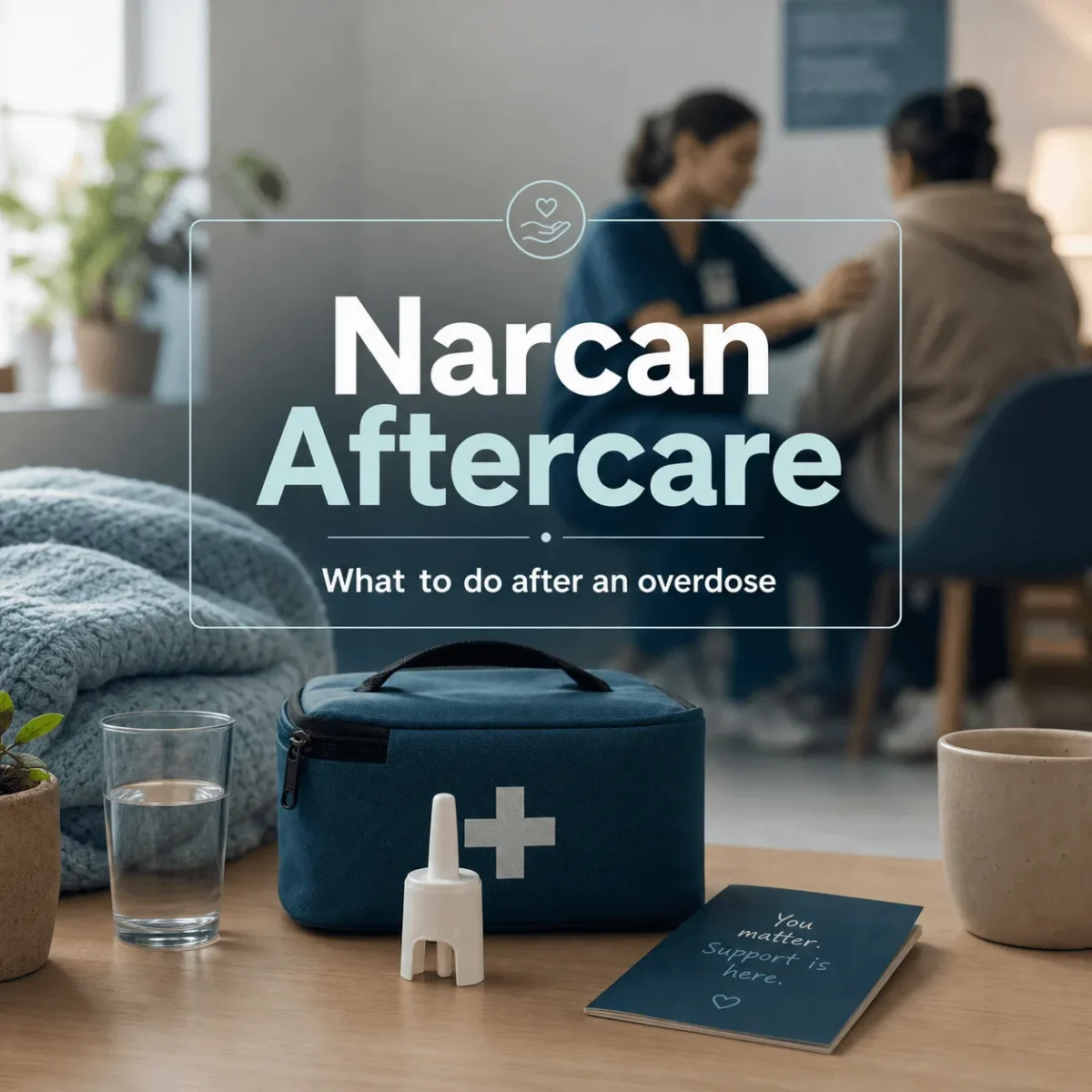
You can add a simple graphic style image in the post, like this:
It’s important to understand that overdose situations can occur even with the best prevention measures in place. In such instances, it's crucial to recognize the signs of an overdose and respond promptly and effectively. For instance, Black Balloon Day serves as a poignant reminder of the lives lost to drug overdoses and emphasizes the need for awareness and education around this issue.
What not to do after Narcan (quick, because people mess this up)
- Don’t assume they’re safe because they woke up.
- Don’t let them drive.
- Don’t argue about blame right then.
- Don’t give them other substances to “balance out.”
- Don’t leave them alone.
- Don’t delay calling for help because of embarrassment.
When the dust settles, you can still choose a different future
An overdose is a medical emergency, yes. But it’s also information. Something is unstable. Something is escalating. The risk is real now, not theoretical.
If you or someone you love survived an overdose, it’s okay to treat that as the moment you stop trying to manage it quietly.
If you want help figuring out what to do next, BriteLife Recovery has programs across multiple locations and levels of care, including medically supervised detox, residential rehab, therapy for co occurring anxiety or depression, family support, and aftercare planning. More info is available at https://britelife.com
You don’t have to solve everything today.
But after Narcan, you do need to keep them alive today. Then take the next step.
FAQs (Frequently Asked Questions)
What is Narcan and how does it work in an opioid overdose?
Narcan, or naloxone, is a medication that temporarily reverses opioid overdoses by knocking opioids off receptors long enough for breathing to resume. It acts as a bridge to restore breathing but does not eliminate the danger since opioids can outlast Narcan's effects.
Why is it important to call 911 even after administering Narcan?
Calling 911 is crucial because Narcan's effects are temporary, lasting about 30 to 90 minutes, and the person can slip back into overdose once it wears off. Emergency responders can provide necessary medical care to prevent further harm or death.
What should I do to care for someone immediately after giving them Narcan?
After giving Narcan, keep the person awake and breathing by talking to them and encouraging slow breaths. Monitor for signs like slow or irregular breathing, blue lips, or inability to stay awake. Position them safely in the recovery position if they need to lie down.
Can I give multiple doses of Narcan if the person stops breathing again?
Yes, it's common now to give multiple doses of Narcan, especially with fentanyl-related overdoses. If the person becomes unresponsive or breathing slows again, administer another dose while waiting for emergency help.
Are there any myths about aftercare that I should avoid following?
Avoid overdose myths such as putting the person in cold showers, giving coffee, slapping them, or administering stimulants like cocaine or meth. These do not reverse respiratory depression and can cause additional harm. Also, don't give food or drink immediately as choking risk is high.
How should I handle confusion or agitation after someone wakes up from an overdose with Narcan?
Expect possible withdrawal symptoms like sweating, shaking, vomiting, panic, or anger. Stay calm with a steady voice and short sentences. Reassure them that help is on the way and emphasize the need for medical evaluation despite their feelings.