What Is a Nordic Teepee and How Can It Help in Recovery?
What Is a Nordic Teepee and How Can It Help in Recovery?
Most people picture recovery taking place in therapy rooms, meeting spaces, and quiet offices. Those spaces matter, but healing does not always have to happen under fluorescent lights. A Nordic teepee offers something different: warmth, shelter, and a softer environment that can help people slow down and reconnect with themselves.
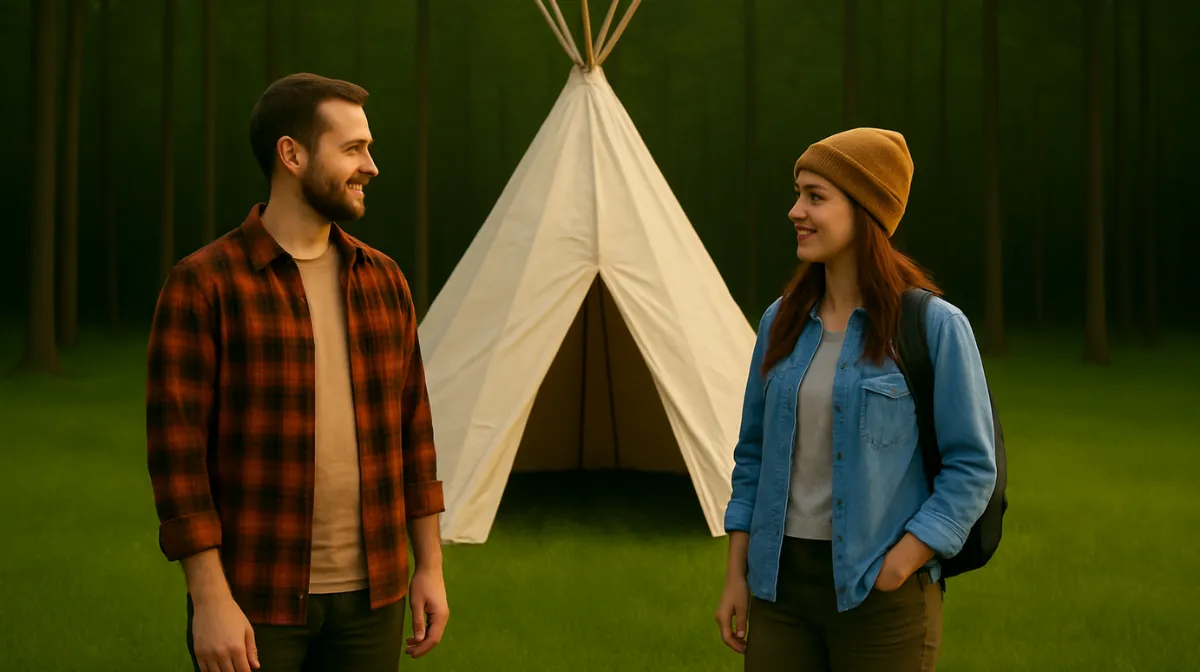
Sometimes called a Nordic tent, fire tent, or outdoor gathering tent, this kind of structure is usually circular, canvas-covered, and built to hold a group comfortably. It often centers around a stove or fire feature, which adds both warmth and a sense of ritual. Instead of feeling clinical, the space feels grounded and human.
For people in recovery, that difference can matter. The setting itself can support safety, openness, nervous system regulation, and even hope. When treatment includes nature-informed experiences, clients may find it easier to talk, reflect, and practice new coping skills in a way that feels less forced and more natural.
What is a Nordic teepee?
A Nordic teepee is a spacious outdoor structure designed for gathering in comfort, even during colder weather. Unlike a simple camping tent, it is meant to be a shared environment. The shape helps create a natural focal point, and the enclosed design can feel both open and protected at the same time.
In a treatment setting, a Nordic teepee can function like an outdoor therapy room. Clients might use it for process groups, psychoeducation, mindfulness exercises, journaling, grief work, or quiet reflection before or after a session. It can also be used for community-building moments that help people feel less alone in recovery.
Why can this kind of space help in recovery?
1. It helps the nervous system settle
Recovery is not only mental. It is physical, emotional, and relational too. Many people entering treatment are carrying stress, shame, grief, exhaustion, and survival-mode patterns. A warm, sheltered space in nature can lower some of that pressure. Fresh air, softer sound, natural light, and a slower pace can support grounding and help clients come back into the present moment.
2. It can make sharing feel less intimidating
Talking in a circle around a fire or heater often feels different than sitting in a standard group room. People may feel less watched, less judged, and less boxed in. That does not mean the work becomes easier overnight, but it can make vulnerability feel more accessible. The setting can gently reduce defensiveness and support more authentic connection.
3. It gives therapy a meaningful ritual
Walking to the teepee, settling into a seat, warming up, and pausing before a group begins can become a healthy ritual. In recovery, rituals matter. They can replace chaos with rhythm and create positive emotional anchors that clients carry with them after treatment.
4. It supports nature-informed healing
Nature-informed care often draws on grounding, awe, reflection, and sensory awareness. Those experiences can strengthen emotional resilience and help people step out of constant mental overactivity. That fits especially well with themes like self-compassion, acceptance, grief processing, boundaries, and rediscovering joy.
What kinds of recovery experiences fit naturally in a Nordic teepee?
A Nordic teepee works especially well for experiences that benefit from calm attention and shared presence. Depending on the program, that could include mindfulness groups, grief support, self-compassion exercises, values work, psychoeducation, community circles, and reflective writing.
It can also pair beautifully with nature-informed themes such as rewiring the anxious brain, growing resilience, radical acceptance, sacred connection, boundaries, play, and making peace with the past. In other words, the teepee is not just a structure. It can become a container for emotional work that feels grounded, memorable, and deeply human.
A simple example of how it might feel
Imagine a client arriving to group after a difficult morning. Instead of walking into another indoor room, they step into a warm canvas space with the smell of fresh air still on their clothes. The group settles. There is a moment of quiet. A clinician invites everyone to notice what they can hear, what they can feel, and what they need today.
That small shift in setting can help the session land differently. It can make the experience feel safer, slower, and more real.
What a Nordic teepee is not
It is not a replacement for licensed clinical care, structured treatment, or evidence-based programming. The value comes from how the space supports the work already being done. The teepee is a setting, not a shortcut.
It is also not about aesthetics for aesthetics’ sake. A beautiful environment can help, but the real goal is function: helping people feel calm enough to engage, connected enough to share, and grounded enough to practice change.
The bigger takeaway
A Nordic teepee can help in recovery because healing is influenced by environment. When people feel safer in their bodies and more connected to the moment, therapy often becomes more accessible. A sheltered nature-based space can support exactly that.
For some clients, the memory of meaningful recovery moments may not come from a worksheet or a conference room. It may come from sitting in a circle, feeling warm, hearing the wind outside, and realizing they can finally exhale. That is part of what makes a Nordic teepee so powerful in treatment.
If your program values whole-person healing, a Nordic teepee can be more than a structure. It can become a place where people reconnect with calm, courage, and the possibility of change.