
Understanding Kratom Addiction
Kratom, derived from the leaves of the Mitragyna speciosa tree native to Southeast Asia, has gained increasing popularity across the United States. While often marketed as a natural remedy for pain relief, energy enhancement, or opioid withdrawal management, kratom carries significant risks including the potential for addiction and physical dependence. The U.S. Food and Drug Administration (FDA) has not approved kratom for any medical use and has issued warnings about its safety concerns.
Research indicates that approximately 2 million people in the United States use kratom annually, with over a quarter of users meeting the criteria for substance use disorder based on DSM-5 standards. The substance contains active compounds, mitragynine and 7-hydroxymitragynine, that act on the brain's opioid receptors, producing effects similar to both stimulants at low doses and opioids at higher doses.
How Kratom Affects the Brain and Body
At lower doses, individuals may experience increased energy, alertness, and sociability. As dosage increases, kratom produces sedative effects including pain relief, euphoria, and relaxation. The National Institute on Drug Abuse (NIDA) notes that kratom interacts with opioid receptors in the brain, producing sedation, pleasure, and decreased pain sensations. This dual-action nature makes kratom particularly concerning, as users may initially seek its stimulant properties but find themselves dependent on its opioid-like effects.
Regular use leads to tolerance, requiring increasingly larger amounts to achieve the same effects. Physical dependence develops as the brain adapts to kratom's presence, and studies show that 55% of regular users become dependent, with relapse rates as high as 78-83% at three months following quit attempts.
Signs and Symptoms of Kratom Addiction
Recognizing kratom addiction can be challenging, particularly since many users believe it to be a safe, natural substance. Understanding the warning signs is crucial for seeking timely intervention and treatment.
Behavioral Changes
Spending excessive time obtaining, using, or recovering from kratom use; withdrawing from family, friends, and obligations; unsuccessful attempts to reduce or stop use.
Physical Dependence
Developing tolerance and requiring larger doses; experiencing withdrawal symptoms when not using; continuing use despite negative health consequences.
Compulsive Use
Preoccupation with kratom; inability to control usage patterns; prioritizing kratom over work, relationships, and personal responsibilities.
Health Issues
Weight loss, digestive problems, sleep disturbances, skin changes, hormonal imbalances, and mental health symptoms including anxiety and depression.
Kratom Withdrawal Symptoms
When someone who has developed dependence on kratom stops using, they experience withdrawal symptoms similar to opioid withdrawal. Symptoms generally appear within 12 to 48 hours of stopping use and typically last 1 to 3 days, though some individuals experience symptoms for up to a week or longer.
Physical Withdrawal Symptoms
Common physical symptoms include muscle aches and body pain, joint discomfort, excessive sweating, running nose and watery eyes, yawning, insomnia, diarrhea, nausea and vomiting, tremors, hot flashes and chills, and loss of appetite. The intensity of these symptoms varies based on the duration and amount of kratom use, individual metabolism, and overall health.
Psychological Withdrawal Symptoms
Withdrawal symptoms commonly include gastrointestinal upset, restlessness, anxiety, irritability, fatigue and low energy, intense cravings, mood swings, and depression. These psychological symptoms can persist longer than physical symptoms and may continue for several weeks, making professional support crucial for successful recovery.
Need Immediate Help? If you or a loved one is struggling with kratom withdrawal or addiction, don't wait. Professional medical detox can make withdrawal safer and more comfortable. Contact BriteLife Recovery Now
Call 24/7 for Confidential Support – Our admissions specialists are ready to help you take the first step.
Evidence-Based Kratom Treatment Approaches
Effective kratom addiction treatment addresses both the physical dependence and the underlying psychological factors that contribute to substance use. Treatment typically involves medical stabilization through detox, followed by comprehensive behavioral therapy and ongoing support.
Medical Detoxification
Medically supervised detox helps manage acute withdrawal symptoms and provides 24-hour care and support during the most challenging phase of recovery. While there are currently no FDA-approved medications specifically for kratom withdrawal, research suggests that buprenorphine-naloxone (Suboxone) shows promise for detoxification and maintenance therapy, with other medications like clonidine used to manage specific withdrawal symptoms.
Behavioral Therapies
Cognitive-behavioral therapy (CBT), motivational interviewing, and contingency management help individuals modify attitudes and behaviors related to substance use. These evidence-based approaches address the psychological aspects of addiction, teaching healthy coping strategies and relapse prevention skills.
Dual Diagnosis Treatment
Many individuals using kratom began substance use as an effort to self-medicate mental health symptoms or manage chronic pain. Comprehensive treatment must address co-occurring conditions such as depression, anxiety, PTSD, or pain disorders to support lasting recovery.
Mutual Support Groups
Participation in 12-step programs or other peer support groups provides ongoing encouragement and accountability. Connecting with others in recovery helps reduce isolation and builds a supportive community for sustained sobriety.
Levels of Care for Kratom Addiction Recovery
Treatment settings vary in duration and intensity, with options including inpatient residential treatment and various levels of outpatient care. The appropriate level of care depends on the severity of dependence, presence of co-occurring disorders, and individual circumstances.
Medical Detoxification
24-hour medical supervision and support during the withdrawal process. Clinical staff monitor vital signs, manage symptoms with appropriate medications, and ensure safety and comfort throughout detox. This crucial first step prepares individuals for ongoing treatment.
Residential Treatment (Inpatient Rehab)
Inpatient treatment involves living onsite for the duration of care, where individuals receive around-the-clock support in a structured, substance-free environment. This immersive approach is particularly beneficial for those with severe addiction, co-occurring mental health conditions, or unstable home environments. Programs typically last 28-30 days, though extended stays may be recommended based on individual needs.
Partial Hospitalization Program (PHP)
PHP provides intensive daily treatment while allowing individuals to return home in the evenings. This level of care offers comprehensive therapeutic support similar to residential treatment but with greater flexibility, making it ideal for those transitioning from inpatient care or those who need structured support while maintaining certain responsibilities.
Intensive Outpatient Program (IOP)
Outpatient treatment involves living at home and attending treatment sessions during scheduled times. IOP typically includes multiple therapy sessions per week, allowing individuals to maintain work, school, or family obligations while receiving substantial clinical support.
Outpatient Treatment (OP)
Standard outpatient care provides ongoing therapy and support with less frequency than IOP, typically one to two sessions per week. This level is appropriate for individuals who have completed intensive treatment and are ready for continued support while fully reintegrating into daily life.
BriteLife Recovery's Approach to Kratom Treatment
At BriteLife Recovery, we understand that substance use and mental health challenges stem from disconnection—from self, from others, and from a sense of meaning or purpose. Our kratom addiction treatment programs are built on a foundation of compassionate, trauma-informed care that honors your unique journey toward healing.
Our Treatment Philosophy
We view kratom dependence not as a moral failing, but as a response of a nervous system and psyche doing their best to cope without adequate safety and support. Healing begins by rebuilding connections: reclaiming personal identity, fostering healthy relationships, and cultivating a meaningful relationship to something greater, whether through values, community, nature, or spiritual belief. Recovery is more than symptom reduction; it is the restoration of wholeness, agency, and authentic well-being.
Integrated, Whole-Person Care
Our comprehensive treatment model addresses the full complexity of each person's experience. We recognize that kratom use often coexists with mental health conditions, chronic pain, or trauma histories. Our multidisciplinary team brings together medical, psychiatric, clinical, and wellness services to support healing across mind, body, and spirit.
Evidence-Based Therapies
We utilize proven therapeutic approaches including Cognitive Behavioral Therapy (CBT), Motivational Interviewing (MI), Acceptance and Commitment Therapy (ACT), and trauma-focused interventions. Our clinical programming includes individual therapy, group counseling, family therapy support, and specialized groups addressing topics like shame, attachment, emotional regulation, and relapse prevention.
Nature-Informed Therapy
BriteLife Recovery is proud to offer Nature-Informed Therapy (NIT), an innovative approach grounded in Ecopsychology that integrates the healing power of nature with evidence-based therapeutic practices. Our certified NIT clinicians facilitate groups that help reconnect you with the natural world, yourself, and others—fostering emotional healing, resilience, and personal growth.
Adventure Recovery
Our experiential Adventure Recovery program incorporates transformative outdoor activities that create space for exploration, embracing beginner's mind, and overcoming limitations. These experiences integrate body, mind, and spirit learning, followed by process-focused clinical groups that help you connect your experiences to broader life patterns and relationships.
Holistic Wellness Services
Complementing our clinical care, we offer integrative wellness services including yoga, acupuncture, massage therapy, meditation and breathwork, nutritional counseling, art and creative expression, and mindfulness practices. These services support nervous system regulation and help you reconnect with your body in healthy, affirming ways.
Personalized Treatment Planning
We understand that no two recovery journeys are the same. Your treatment plan is tailored to your individual experiences, identities, needs, and goals. Our team conducts comprehensive assessments to address co-occurring mental health conditions, trauma histories, chronic pain, and other factors contributing to substance use. Throughout your stay, we adjust your care based on your progress and evolving needs.
Continuing Care and Support
Recovery extends beyond discharge. Our case management team develops comprehensive aftercare plans that include recommendations for ongoing therapy, support group connections, medication management when appropriate, and resources to address real-life barriers. We help every client build sustainable supports that continue long after leaving our care.
Choose the setting that speaks to you
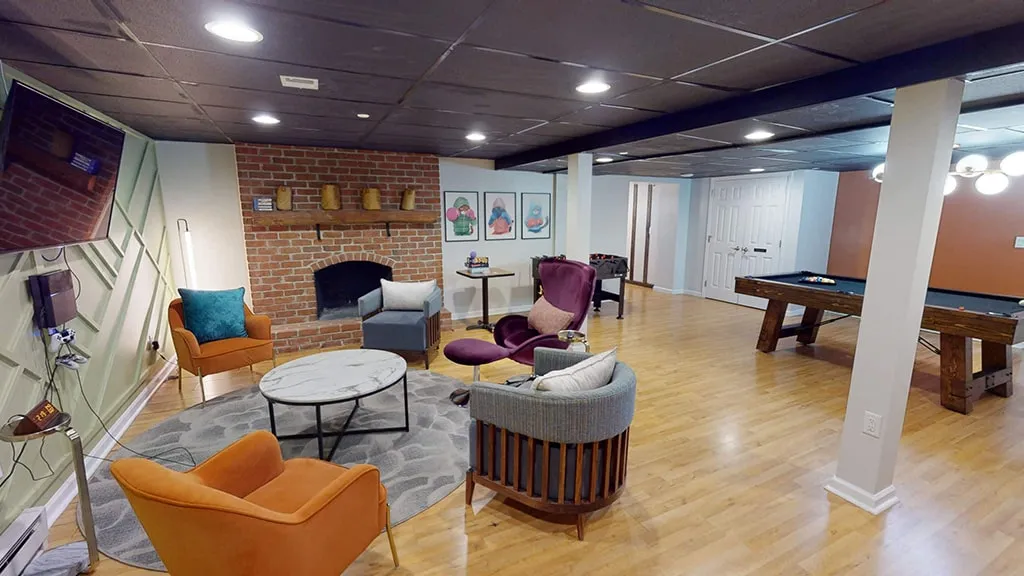
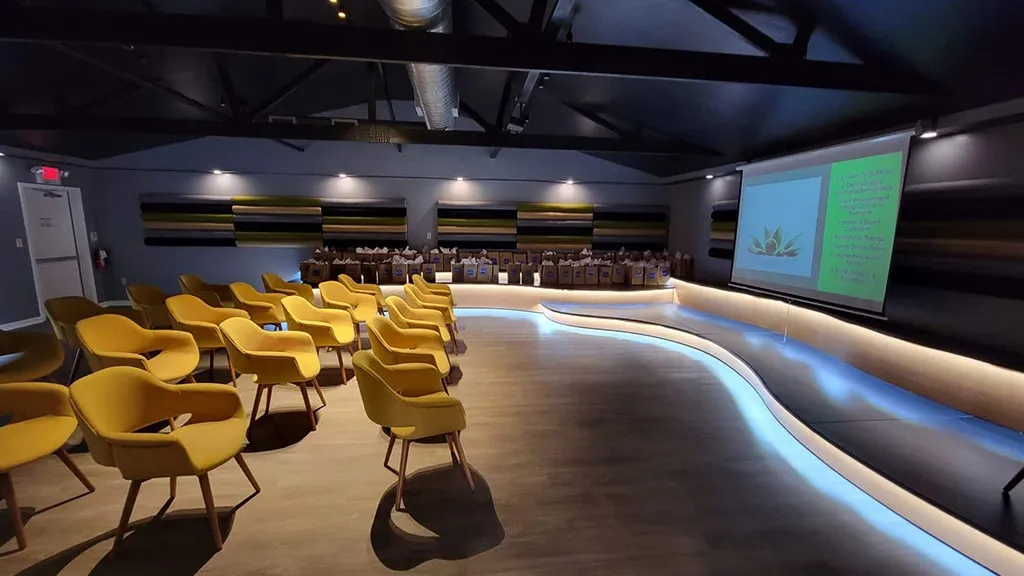
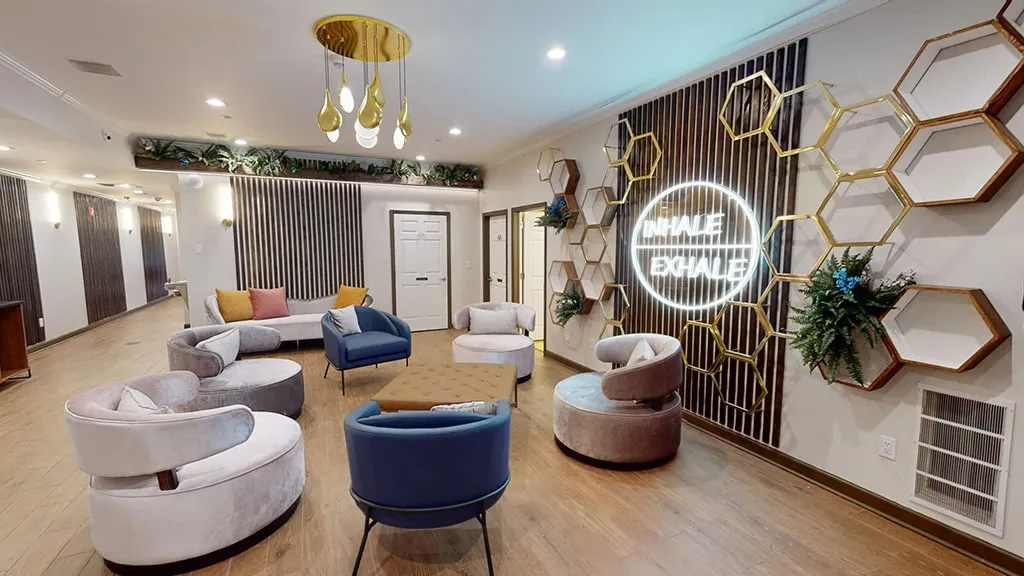
Comprehensive Care, Personalized to You
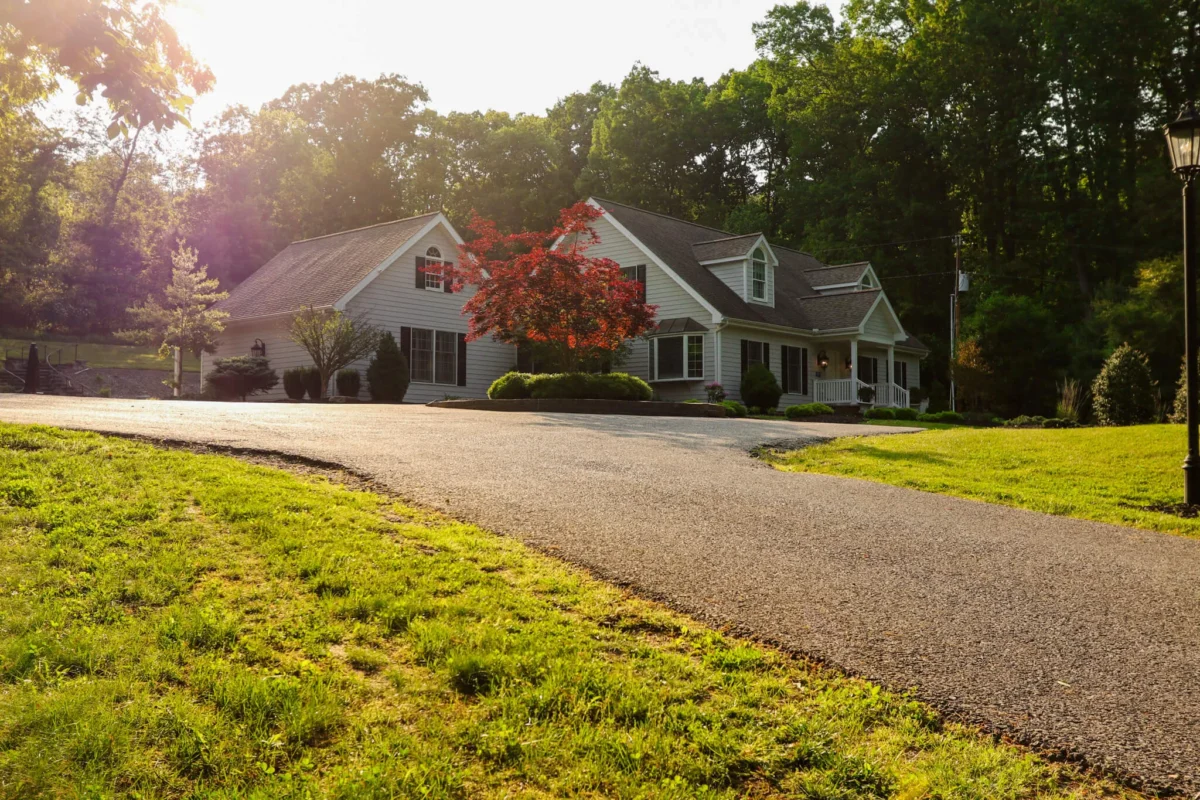
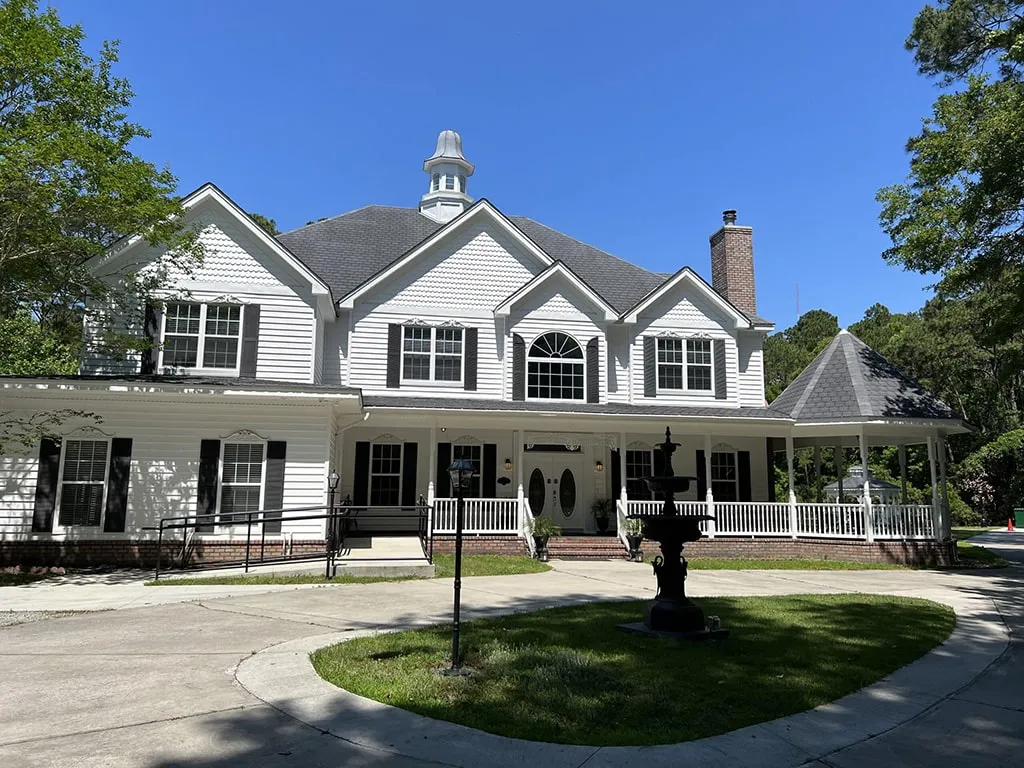
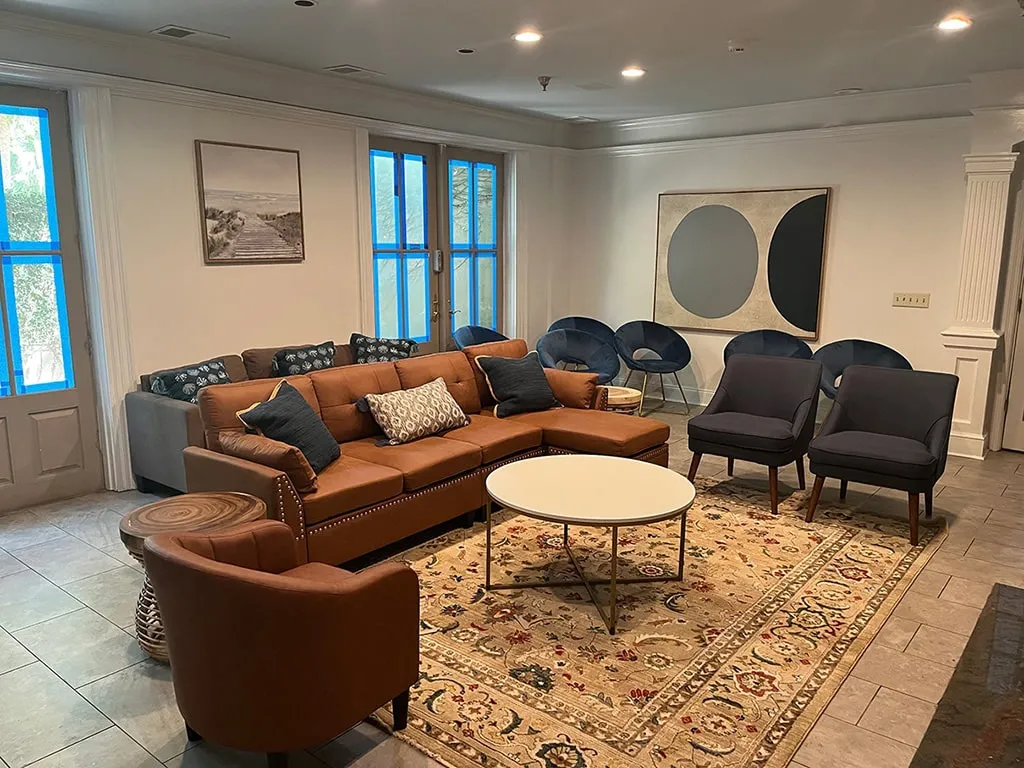
BriteLife Recovery Pennsylvania
544 Iron Ridge Rd, Hanover, PA 17331
BriteLife Recovery in Hanover, Pennsylvania provides evidence-based detox and residential treatment with one-on-one, individualized care focused on total health and long-term recovery.

Personalized one-on-one care

Evidence-based therapies (CBT, TIC, Nature-Informed)

In-network with major insurers

Advanced Treatment with Specialized Women’s Care
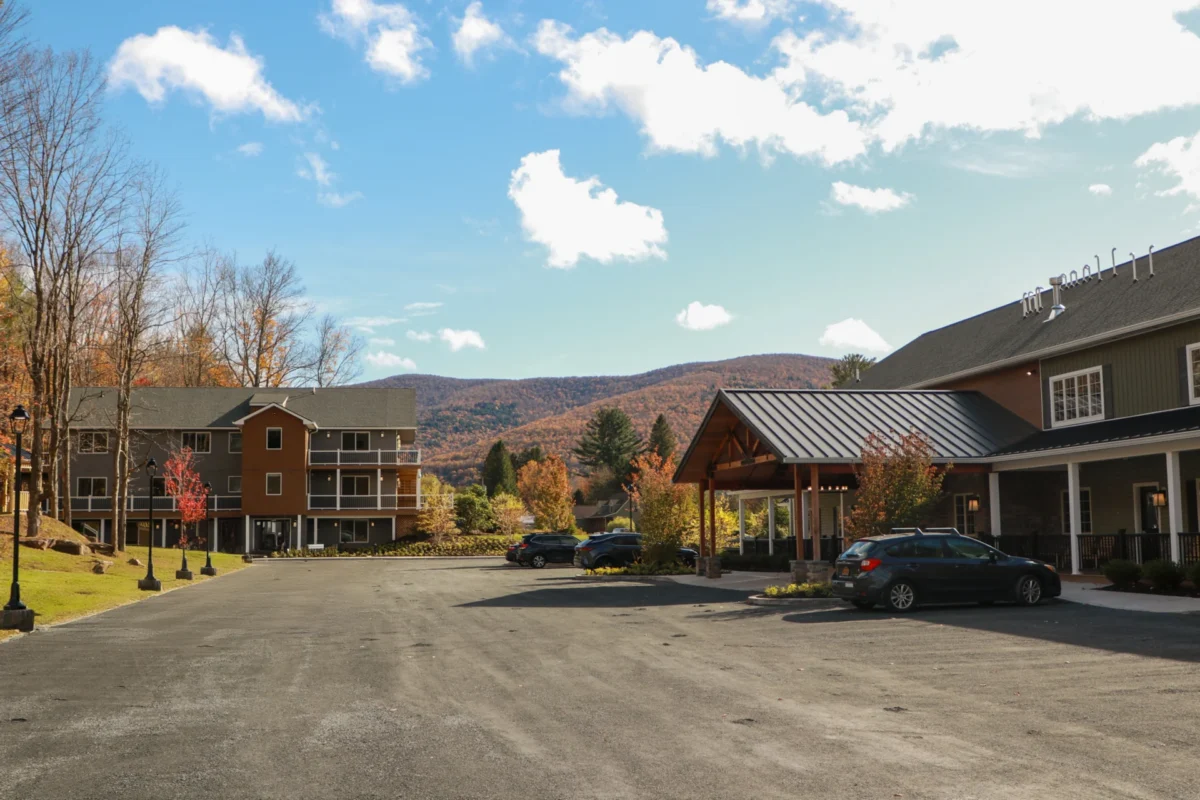
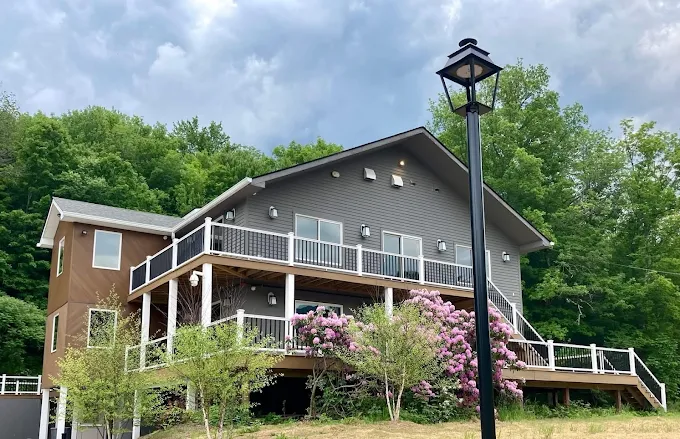
BriteLife Recovery South Carolina
2200 Main St, Hilton Head Island, SC 29926
BriteLife Recovery in Hilton Head Island, South Carolina delivers evidence-based detox and residential programs plus a nearby women’s residential program offering gender-specific, trauma-informed care for substance use and co-occurring conditions.
Women’s residential program (Bluffton)
Co-occurring disorder support and MAT

Family therapy and support

Catskills Retreat with Full Continuum of Care
BriteLife Recovery at Lexington (NY)
2774 NY-42, West Kill, NY 12492
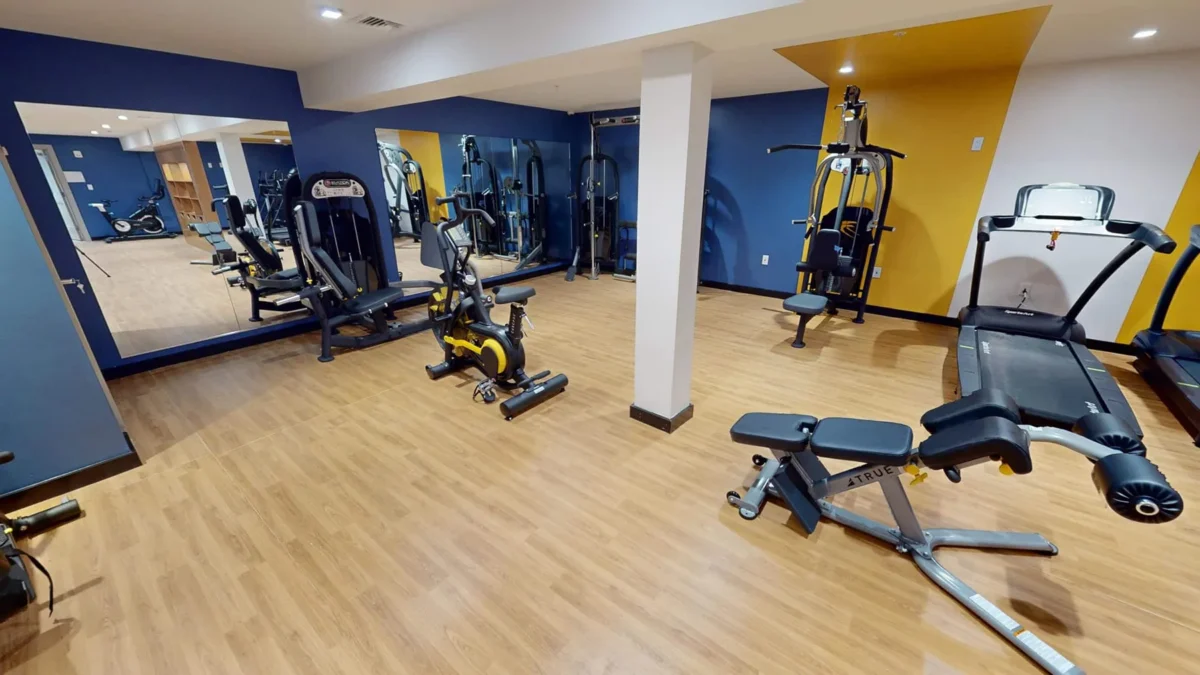
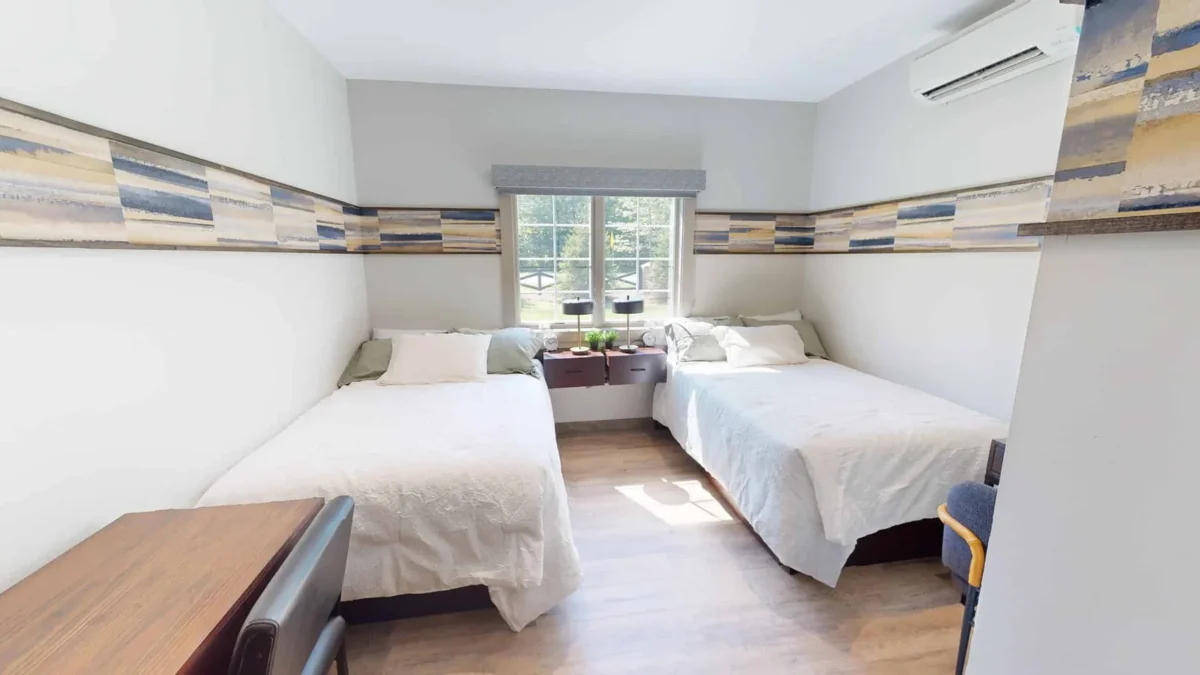
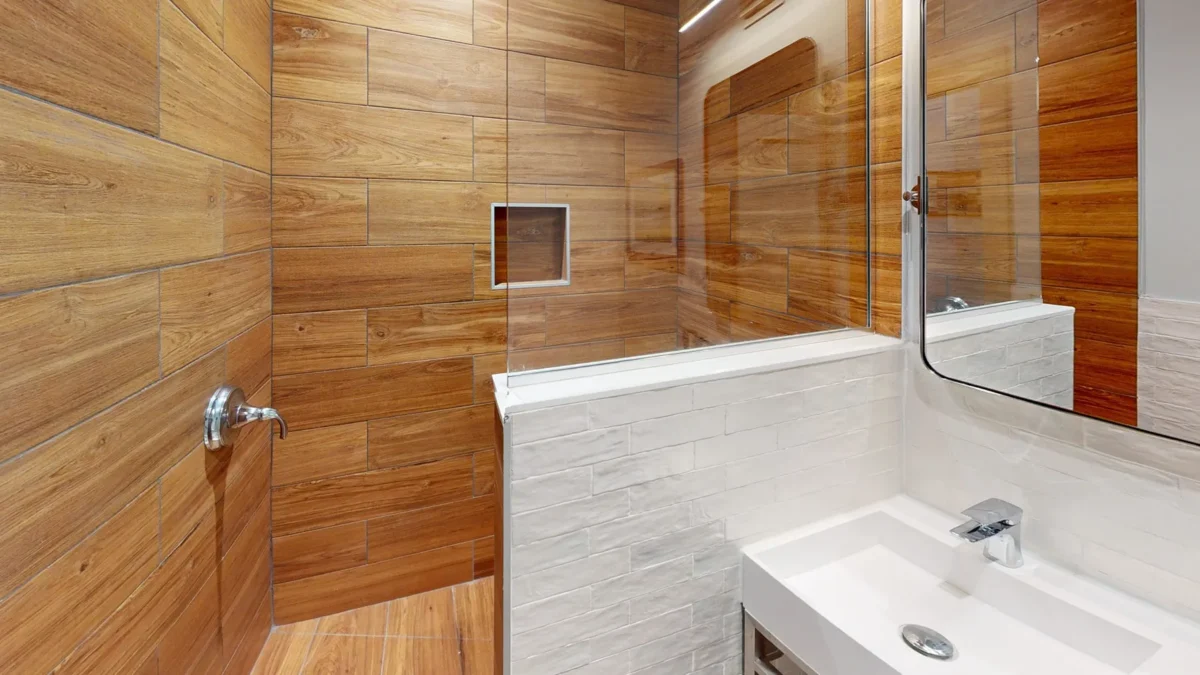
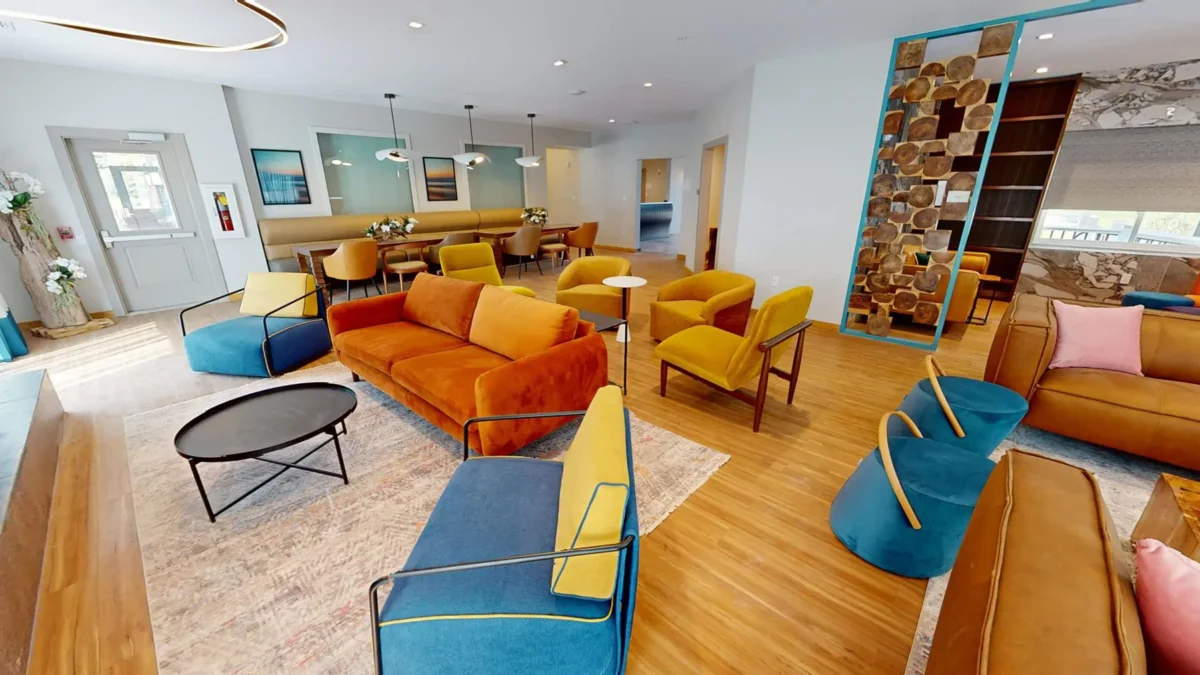
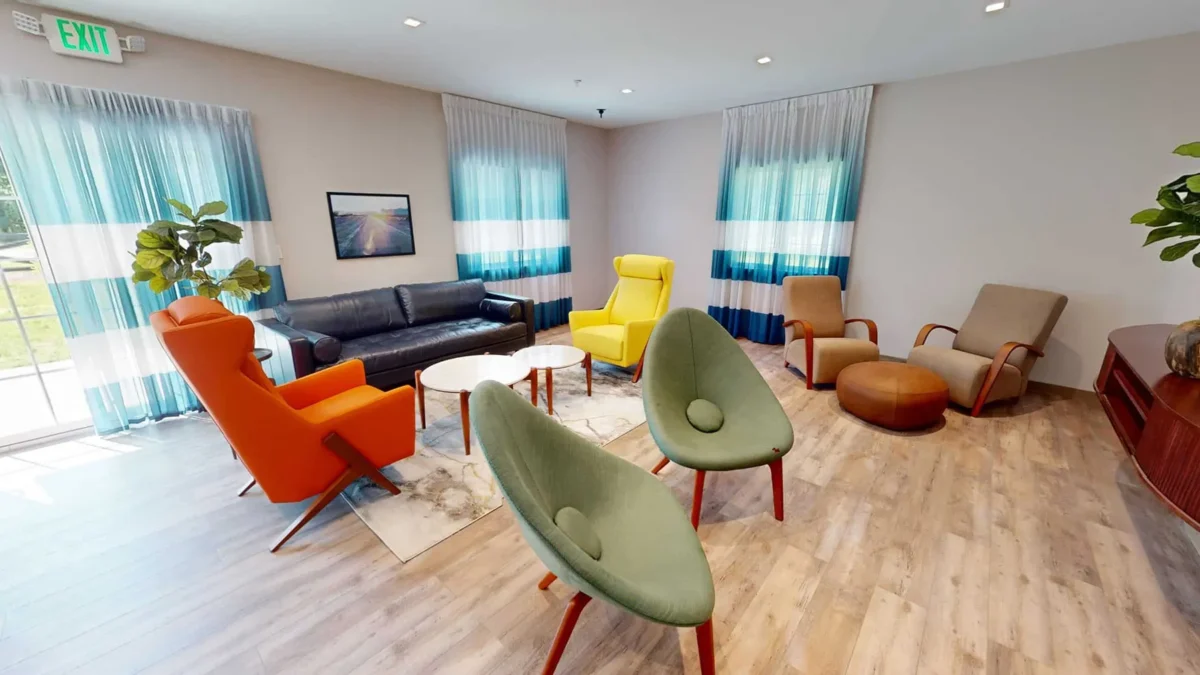
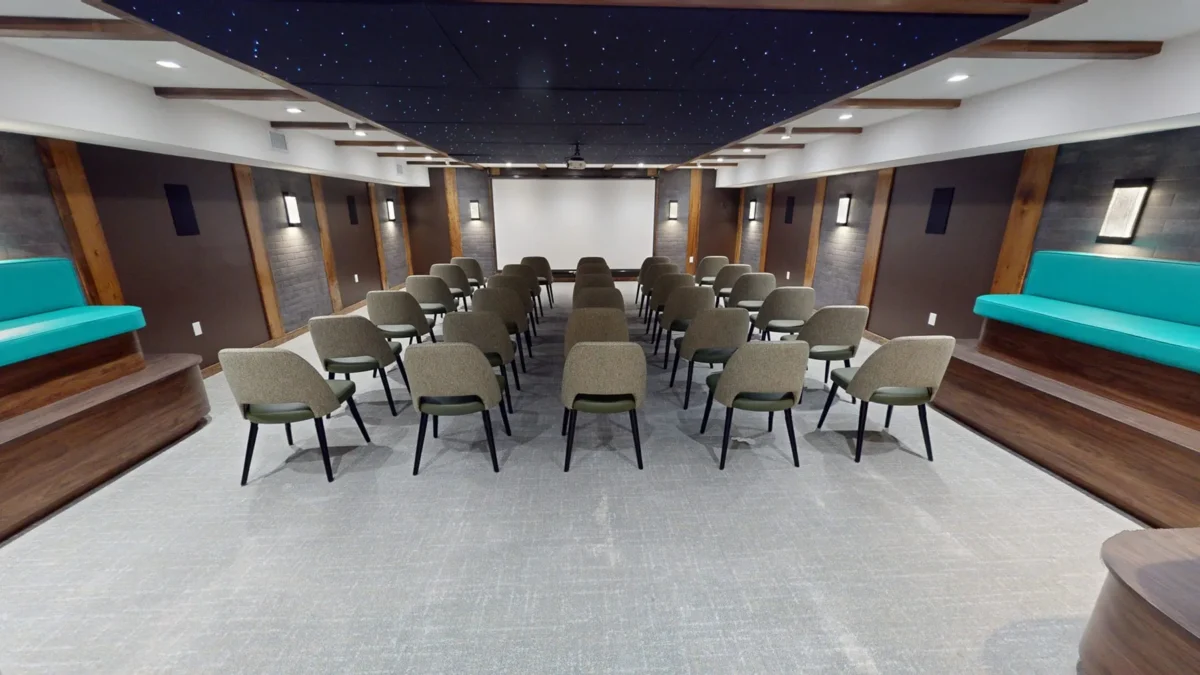
Nestled in the serene Catskill Mountains, BriteLife Recovery at Lexington (NY), our West Kill, New York facility offers a tranquil, supportive setting with state-of-the-art addiction treatment. We combine holistic and evidence-based approaches and tailor programs to each client to support lasting recovery and a comprehensive path to wellness.
Customized Treatment Plans
Holistic Approach
Family Therapy
BriteLife Recovery Treatment Locations
BriteLife Recovery offers kratom addiction treatment and rehab services across multiple locations in the northeastern and southeastern United States. Each facility provides compassionate, evidence-based care in a supportive environment designed to foster healing and connection.
Pennsylvania
Services Available: Medical Detoxification, Residential Treatment, Partial Hospitalization (PHP), Intensive Outpatient (IOP)
New York
Services Available: Medical Detoxification, Residential Treatment, Adventure Recovery, Nature-Informed Therapy
South Carolina
Services Available: Medical Detoxification, Residential Treatment, Gender-Specific Housing, Holistic Services
New Jersey
Services Available: Intensive Outpatient (IOP), Outpatient Treatment (OP), Continuing Care Support
Why Choose BriteLife Recovery for Kratom Treatment
Trauma-Informed Care
We recognize that trauma and adverse life experiences often underlie the patterns that bring individuals into treatment. Rather than treating trauma as separate or secondary, we integrate trauma-responsive principles throughout our care, providing a foundation of safety, empowerment, and compassion.
Dual Diagnosis Expertise
Kratom use frequently coexists with mental health conditions. Our psychiatric and clinical teams are experienced in treating co-occurring disorders, ensuring that all aspects of your health receive appropriate attention and integrated care.
Small Group Sizes
We maintain intimate group sizes, typically 12-16 participants, to ensure everyone has ample speaking time and receives individualized attention. Our groups are facilitated by experienced clinicians using structured curricula that balance education with meaningful processing.
Seven-Day Clinical Coverage
Clinical staff are available seven days a week, providing consistent support and therapeutic engagement throughout your treatment journey. You'll have regular access to your therapist and care team, not just on weekdays.
Culturally Humble Approach
We are committed to providing treatment that is respectful of every individual's dignity, affirming people of all ages, races, genders, sexual orientations, abilities, and spiritual traditions. Your identity and experiences are honored throughout your care.
Taking the First Step Toward Recovery
Recognizing that you need help with kratom dependence takes courage. Whether you're concerned about your own use or worried about a loved one, reaching out for support is a profound act of self-compassion and strength.
Recovery from kratom addiction is possible, and you don't have to navigate this journey alone. At BriteLife Recovery, we meet you where you are with warmth, dignity, and expertise. Our admissions team is available to answer your questions, verify insurance benefits, and help you understand your options for treatment.
Ready to Help Your Loved One Find Hope?
When addiction threatens someone you care about, taking action can feel overwhelming. But you don't have to face this moment alone. BriteLife Recovery works alongside families and professional interventionists to create pathways toward healing—offering immediate access to compassionate, evidence-based treatment the moment your loved one is ready.
Our team understands that intervention is just the beginning. From medically supervised detox to residential treatment and beyond, we provide integrated care that addresses the whole person—mind, body, and spirit. With facilities in Pennsylvania, South Carolina, and New York, we're here to support your family through every step of the recovery journey.
Recovery starts with connection. Let us help you take the first step.