
How Alcohol Addiction Is Treated
Alcohol use disorder (AUD) requires a comprehensive treatment approach that integrates medical care, medication management, and evidence-based behavioral therapies. According to the National Institute on Alcohol Abuse and Alcoholism (NIAAA), there are three FDA-approved medications for treating AUD—naltrexone, acamprosate, and disulfiram—and when combined with behavioral therapies, they significantly improve recovery outcomes.
Effective alcohol treatment combines pharmacological support with multiple therapeutic approaches tailored to each person’s unique needs. At BriteLife Recovery, we integrate proven clinical interventions with innovative wellness programming to support whole-person healing.
Cognitive Behavioral Therapy (CBT)
CBT is a cornerstone of effective alcohol addiction treatment. This evidence-based approach helps individuals recognize triggers, develop healthy coping strategies, and change thought patterns that contribute to drinking. Research consistently demonstrates that CBT reduces alcohol consumption, decreases relapse rates, and builds lasting skills that continue to benefit individuals well beyond the treatment setting.
In our alcohol treatment program, CBT helps clients:
- Identify high-risk situations and personal triggers for alcohol use
- Develop practical coping skills for managing cravings, stress, and social pressure
- Challenge and restructure negative thinking patterns that drive drinking behavior
- Build relapse prevention strategies for real-world situations
- Change behavioral patterns associated with alcohol use
- Practice new skills through role-playing and real-world application
Motivational Enhancement Therapy
Many individuals struggling with alcohol use feel ambivalent about change—especially when drinking is deeply woven into social life, family routines, or stress management. Motivational enhancement therapy uses non-confrontational techniques to help clients build intrinsic motivation for recovery, resolve conflicting feelings about treatment, and strengthen commitment to their recovery goals.
Our therapists utilize motivational interviewing throughout treatment to:
- Explore personal values and goals that support recovery
- Address ambivalence about stopping or reducing alcohol use
- Build confidence in the ability to change
- Support self-directed decision-making
- Reinforce positive changes and progress
Trauma-Informed Treatment
Research consistently shows that trauma and adverse life experiences often underlie alcohol use patterns. Many individuals use alcohol to cope with unresolved pain, anxiety, or PTSD symptoms. Our trauma-informed approach recognizes this connection and integrates trauma-responsive principles throughout all levels of care.
Trauma-informed alcohol treatment at BriteLife Recovery includes:
- Creating an environment of safety, trust, and empowerment
- Understanding how trauma affects the nervous system and drinking behavior
- Avoiding re-traumatization through careful therapeutic approaches
- Supporting clients in reclaiming power and control
- Addressing trauma symptoms alongside addiction
- Providing specialized trauma processing when clinically appropriate
Group Therapy
Group therapy is an essential component of alcohol addiction treatment. Unlike individual therapy, groups provide opportunities for interpersonal learning, social connection, and peer support—all critical elements in addressing the disconnection that often underlies addiction.
Our comprehensive group therapy programming includes:
- Process Groups: Focus on interpersonal healing, relationship patterns, and real-time emotional processing
- Psychoeducational Groups: Address addiction science, triggers, high-risk situations, and recovery strategies
- Specialty Topic Groups: Explore specific themes like attachment styles, healthy relationships, shame, vulnerability, cognitive distortions, and communication skills
- Skills-Building Groups: Practice mindfulness, emotional regulation, distress tolerance, and interpersonal effectiveness
- 12-Step and Recovery Fellowship: Introduction to mutual support communities and recovery principles
Medication-Assisted Treatment (MAT) for Alcohol Use Disorder
Unlike many other substance use disorders, alcohol use disorder has several FDA-approved medications that can significantly support recovery when used alongside behavioral therapy. The Substance Abuse and Mental Health Services Administration (SAMHSA) recommends these medications as part of a comprehensive treatment plan. Our medical and psychiatric team evaluates each client for medication appropriateness and provides ongoing management throughout treatment.
Naltrexone (Revia® / Vivitrol®): Available in oral and long-acting injectable forms, naltrexone blocks opioid receptors involved in the rewarding effects of alcohol. It reduces cravings and heavy drinking episodes, helping clients maintain progress in recovery. Naltrexone does not cause an adverse reaction if the person drinks, but it diminishes the pleasurable effects of alcohol.
Acamprosate (Campral®): This medication helps restore the brain’s chemical balance disrupted by chronic alcohol use. It is most effective at supporting abstinence in individuals who have already stopped drinking and works by reducing the negative symptoms associated with protracted withdrawal—such as anxiety, restlessness, and insomnia—that can drive relapse.
Disulfiram (Antabuse®): The oldest FDA-approved medication for AUD, disulfiram works as a deterrent by causing unpleasant physical reactions—including nausea, flushing, and rapid heart rate—if alcohol is consumed. It is most effective for highly motivated individuals who use the medication as an additional layer of accountability in their recovery plan.
Call 24/7 for Confidential Support – Our admissions specialists are ready to help you take the first step.
Nature-Informed Therapy (NIT)
BriteLife Recovery is certified in Nature-Informed Therapy, an innovative evidence-based approach grounded in ecopsychology. NIT addresses the mental health impacts of disconnection from nature by fostering deeper relationships with the natural environment, oneself, and others.
Our clinicians facilitate NIT groups using a specialized 14-module curriculum covering topics such as:
- Rewiring the Anxious Brain with Nature in Mind
- Positive Neuroplasticity: Growing Inner Resilience Through Nature
- Human Rewilding: Discovering the Self in Nature
- Radical Acceptance and Letting Go: Lessons from the Trees
- Self-Compassion: A Pathway to Peace
- Making Peace with the Past
- From Grief to Gratitude: Nature as Companion on the Healing Journey
- The Power of Release: Letting Anger Flow
Integrative and Holistic Therapies
Chronic alcohol use affects the entire body—including the liver, heart, brain, immune system, and nervous system. Healing requires more than talk therapy. It demands attention to physical health, nutritional recovery, stress reduction, and body-based healing practices.
Our integrative treatment approach includes:
- Adventure Recovery: Experiential activities combining outdoor challenges with clinical processing
- Creative Expression: Art, music, and writing as therapeutic modalities
- Yoga and Movement Therapy: Body awareness and nervous system regulation
- Mindfulness and Meditation: Present-moment awareness and acceptance practices
- Acupuncture: Traditional Chinese medicine for healing and balance
- Nutritional Support: Education about food as medicine and healing nutrition, with special attention to nutritional deficiencies common in alcohol use disorder
- Wellness Activities: Breathwork, sound healing, massage, and other restorative practices
Why a Combined Approach Works for Alcohol Addiction
Alcohol use disorder is uniquely responsive to an integrated treatment model. Because FDA-approved medications are available to reduce cravings and support abstinence, and because behavioral therapies build the emotional and cognitive skills necessary for lasting change, the combination of the two approaches produces significantly better outcomes than either alone. Research from the landmark COMBINE study—the largest pharmacotherapy trial for AUD conducted in the United States—confirmed that medication combined with behavioral intervention gives individuals the strongest foundation for sustained recovery.
Levels of Care for Alcohol Treatment
BriteLife Recovery provides two essential levels of care for alcohol addiction: medical detoxification and residential rehabilitation. This continuum allows clients to safely withdraw from alcohol under close medical supervision and then engage in comprehensive treatment to build lasting recovery skills.
Call 24/7 for Confidential Support – Our admissions specialists are ready to help you take the first step.
Medical Detoxification Program
Medical detox is the essential first step in alcohol treatment—and for alcohol specifically, it is not optional. Unlike many other substances, alcohol withdrawal can be medically dangerous and potentially life-threatening. Complications such as seizures, delirium tremens (DTs), severe dehydration, and cardiac complications can occur without proper medical management. SAMHSA strongly advises that individuals with significant alcohol dependence should never attempt to stop drinking abruptly without medical supervision.
Alcohol withdrawal symptoms typically begin within 6–24 hours after the last drink and may include tremors, anxiety, nausea, sweating, elevated heart rate, insomnia, agitation, and in severe cases, hallucinations and seizures. Our medical team uses validated assessment tools to continuously monitor withdrawal severity and adjust treatment protocols in real time.
Our medical detox program provides:
- 24-hour medical monitoring and nursing care
- Physician oversight with evidence-based withdrawal management protocols
- Benzodiazepine-assisted detox when clinically indicated to prevent seizures and manage withdrawal severity
- Psychiatric evaluation and medication support as needed
- Symptom management for withdrawal discomfort using validated assessment scales (CIWA-Ar)
- Safe, comfortable environment for stabilization
- Nutritional support, hydration management, and vitamin supplementation (including thiamine to prevent Wernicke’s encephalopathy)
- Introduction to recovery through daily therapeutic groups
- Assessment and treatment planning for residential transition
Detox Group Therapy Curriculum:
Even during detox, clients begin building coping skills through our seven-group therapeutic curriculum. These groups introduce evidence-based techniques that clients can practice immediately to manage withdrawal symptoms and continue using throughout treatment and recovery:
- Guided Imagery for mental calm and focus
- Progressive Muscle Relaxation for physical tension release
- Breathwork for nervous system regulation
- Meditation and mindfulness practices
- Self-Compassion skills for emotional support
- Adult Coloring for stress reduction and focus
- Affirmations for positive mindset development
Each group includes education about the scientific benefits of the skill, guided practice, and reflection time to help clients identify which techniques work best for them.
Important: Detoxification alone is rarely sufficient for sustained recovery from alcohol use disorder. Research consistently shows that comprehensive behavioral treatment and, where appropriate, medication-assisted treatment following detox are essential for long-term success. Our detox program is designed as the first step toward residential rehabilitation.
Choose the setting that speaks to you
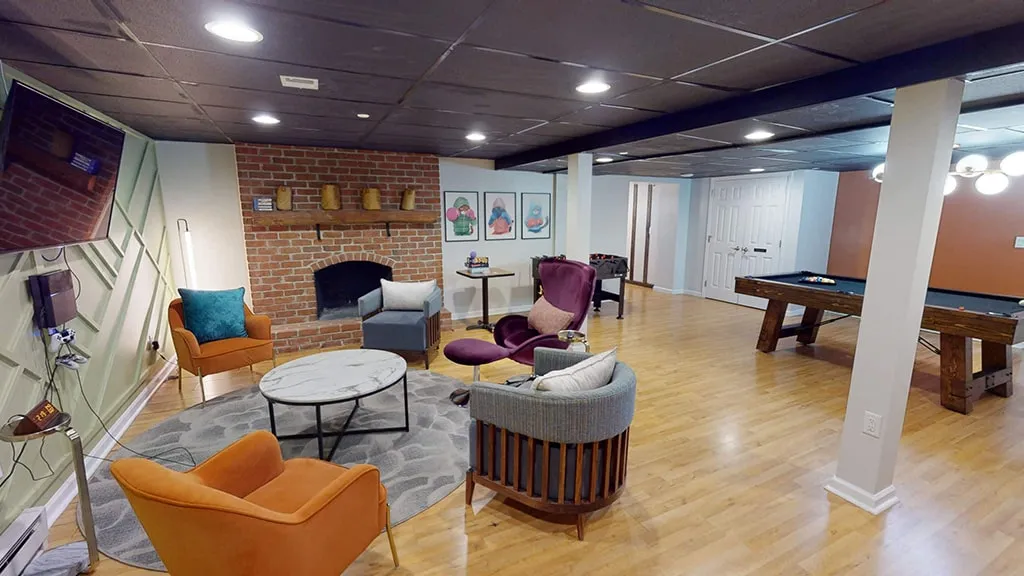
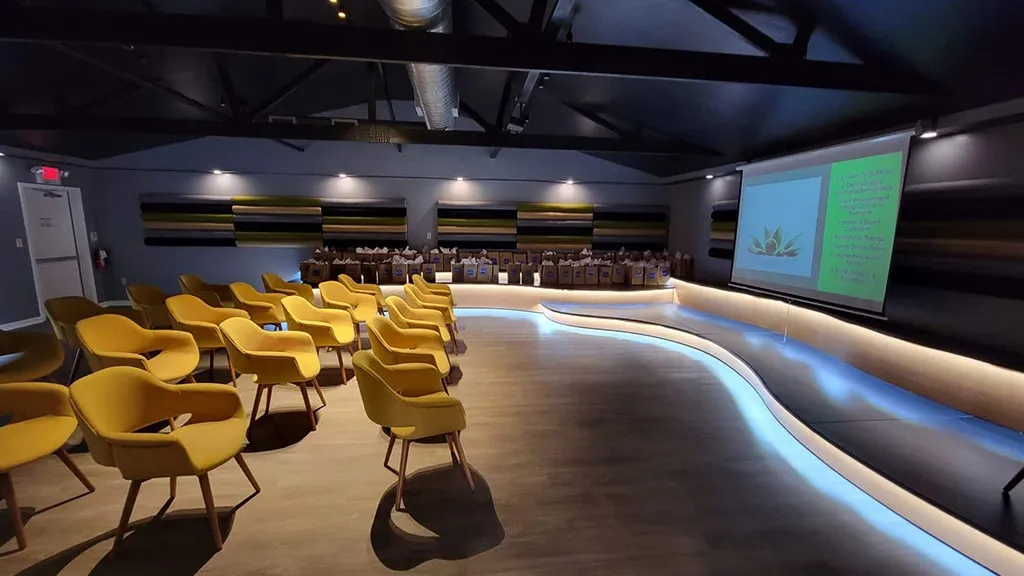
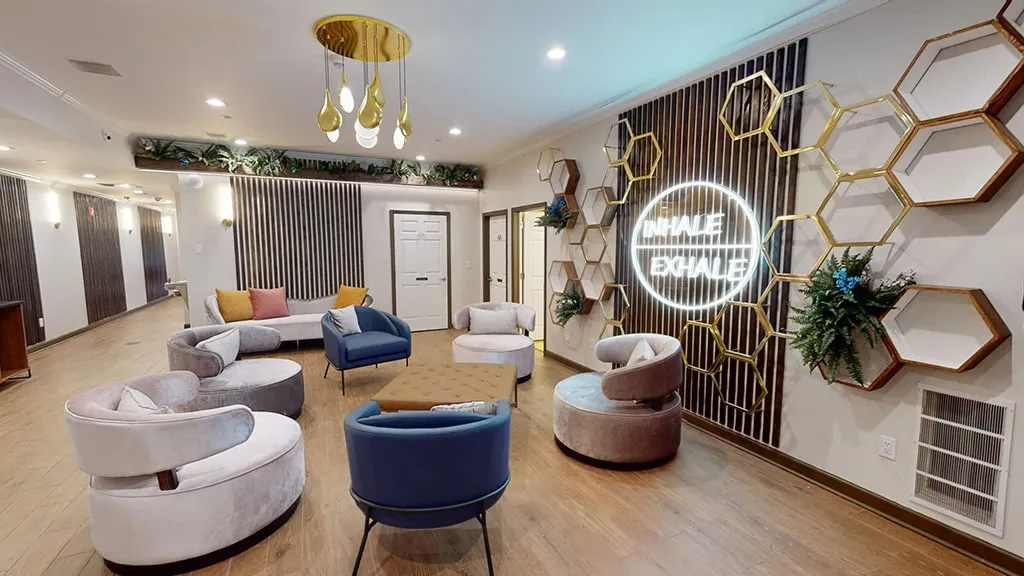
Comprehensive Care, Personalized to You
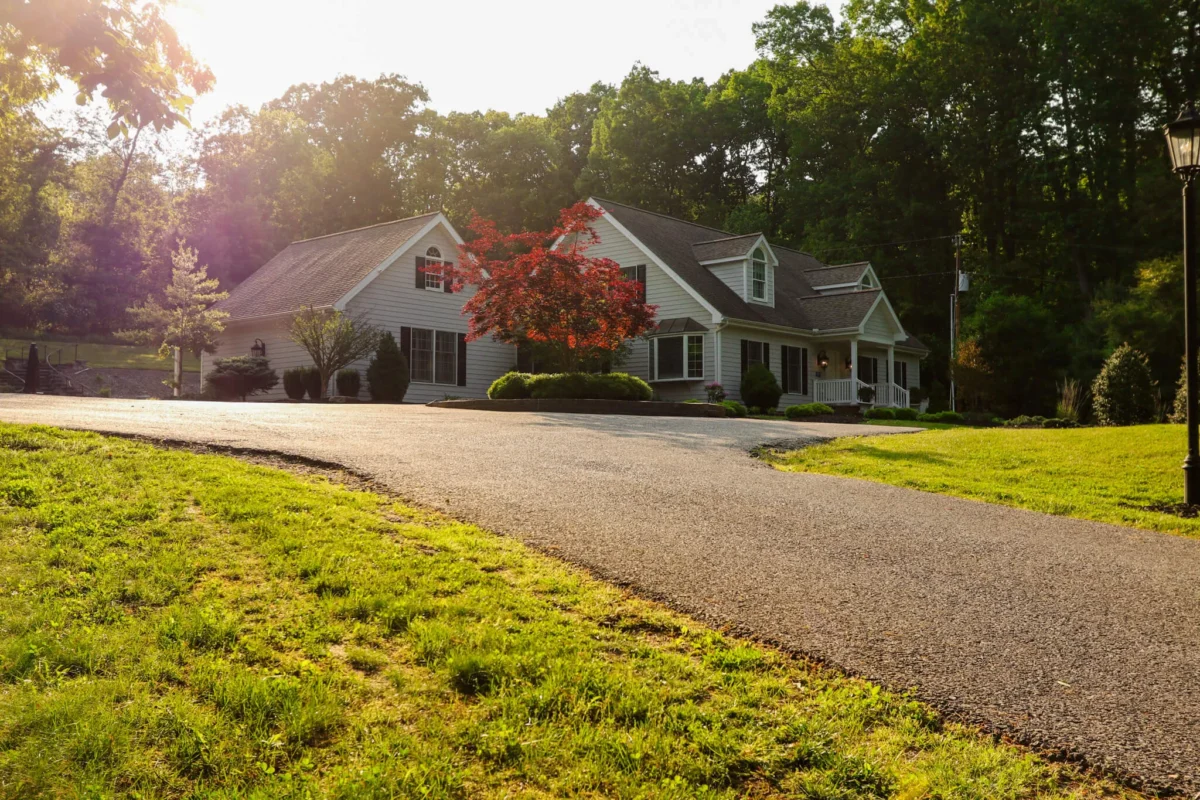
BriteLife Recovery Pennsylvania
544 Iron Ridge Rd, Hanover, PA 17331
BriteLife Recovery in Hanover, Pennsylvania provides evidence-based detox and residential treatment with one-on-one, individualized care focused on total health and long-term recovery.

Personalized one-on-one care

Evidence-based therapies (CBT, TIC, Nature-Informed)

In-network with major insurers

Advanced Treatment with Specialized Women’s Care
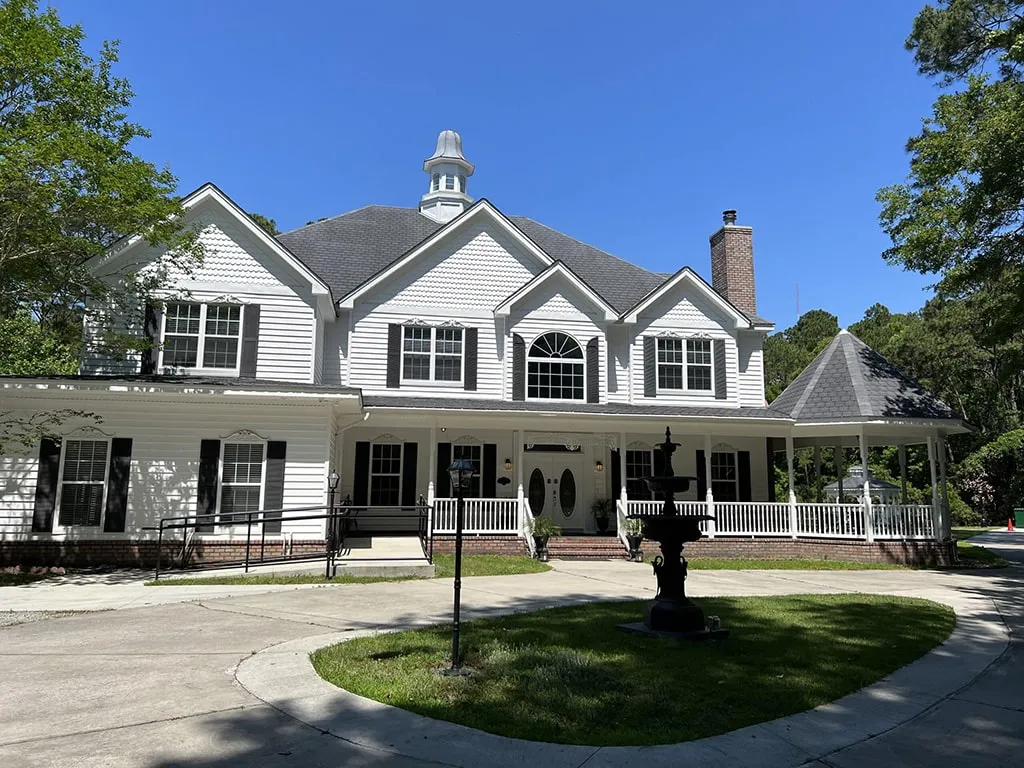
BriteLife Recovery South Carolina
2200 Main St, Hilton Head Island, SC 29926
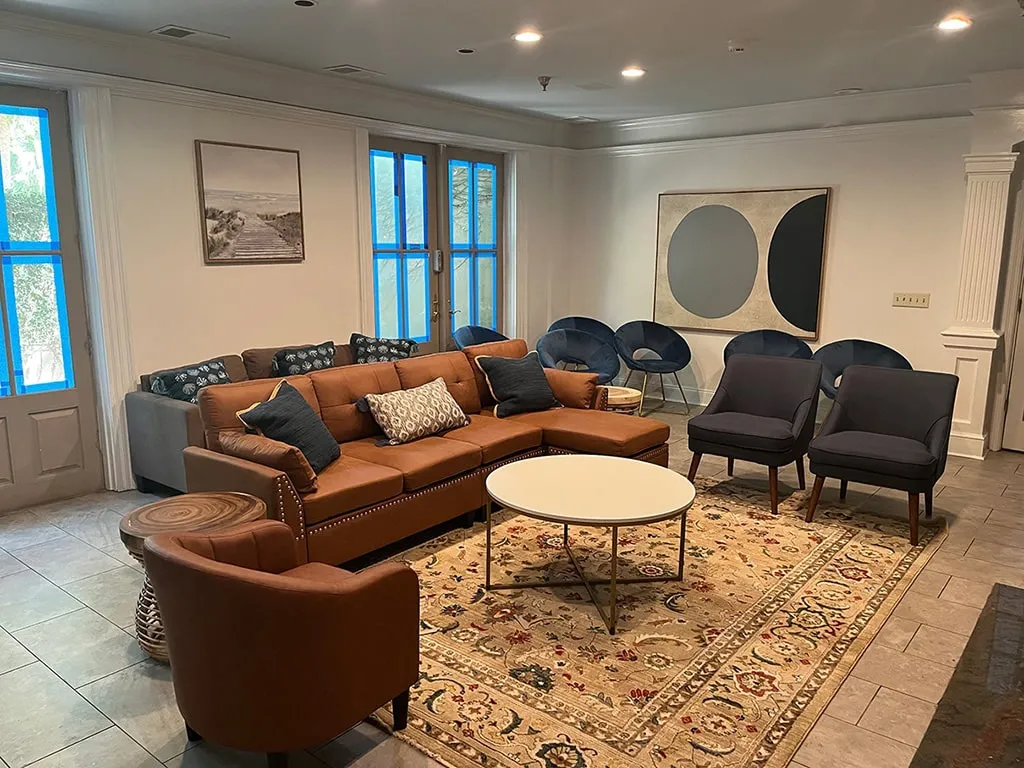
BriteLife Recovery in Hilton Head Island, South Carolina delivers evidence-based detox and residential programs plus a nearby women’s residential program offering gender-specific, trauma-informed care for substance use and co-occurring conditions.
Women’s residential program (Bluffton)
Co-occurring disorder support and MAT

Family therapy and support
Catskills Retreat with Full Continuum of Care
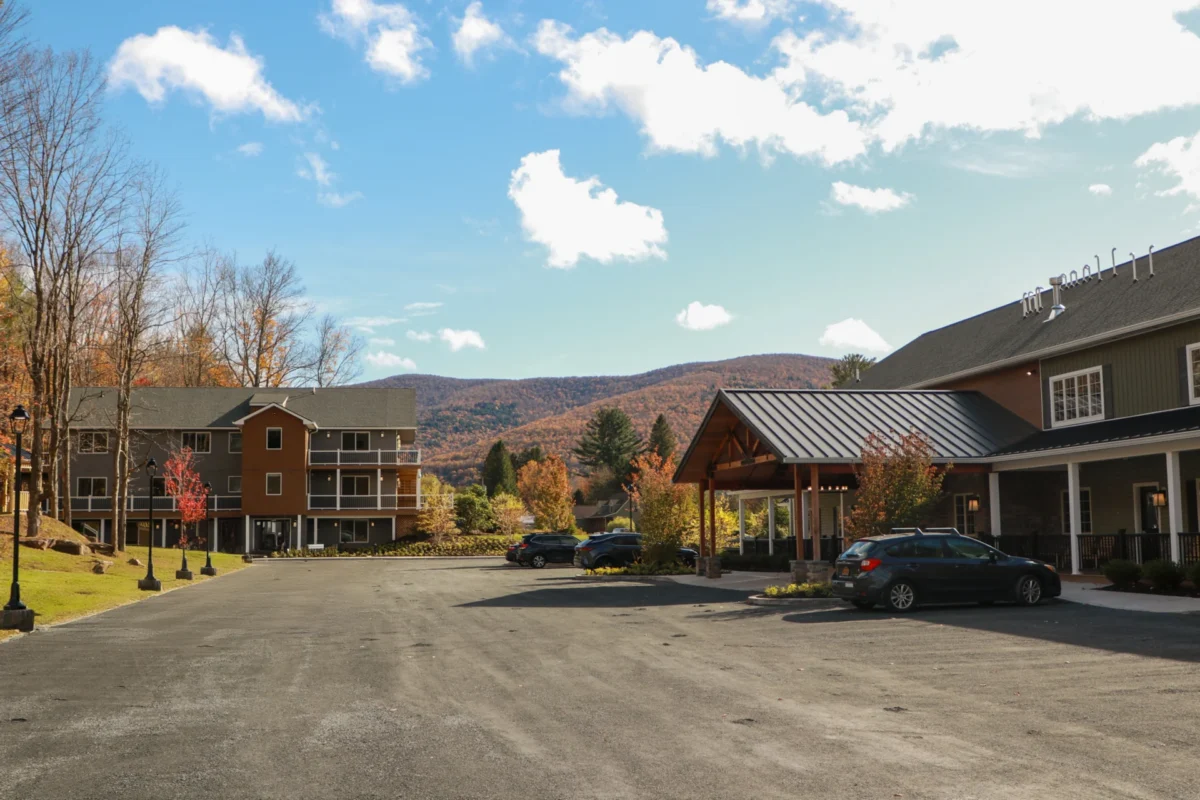
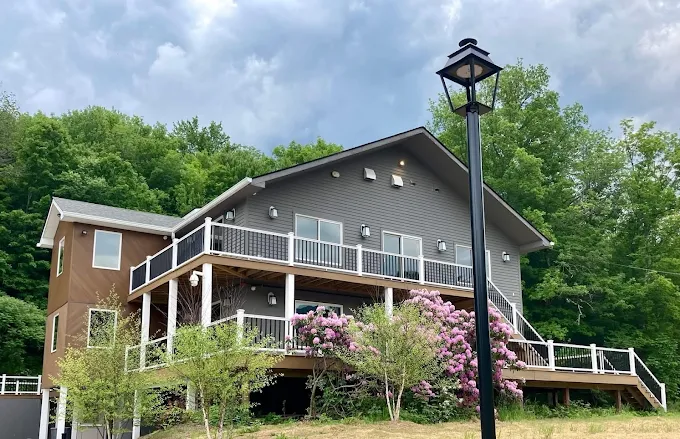
BriteLife Recovery at Lexington (NY)
2774 NY-42, West Kill, NY 12492
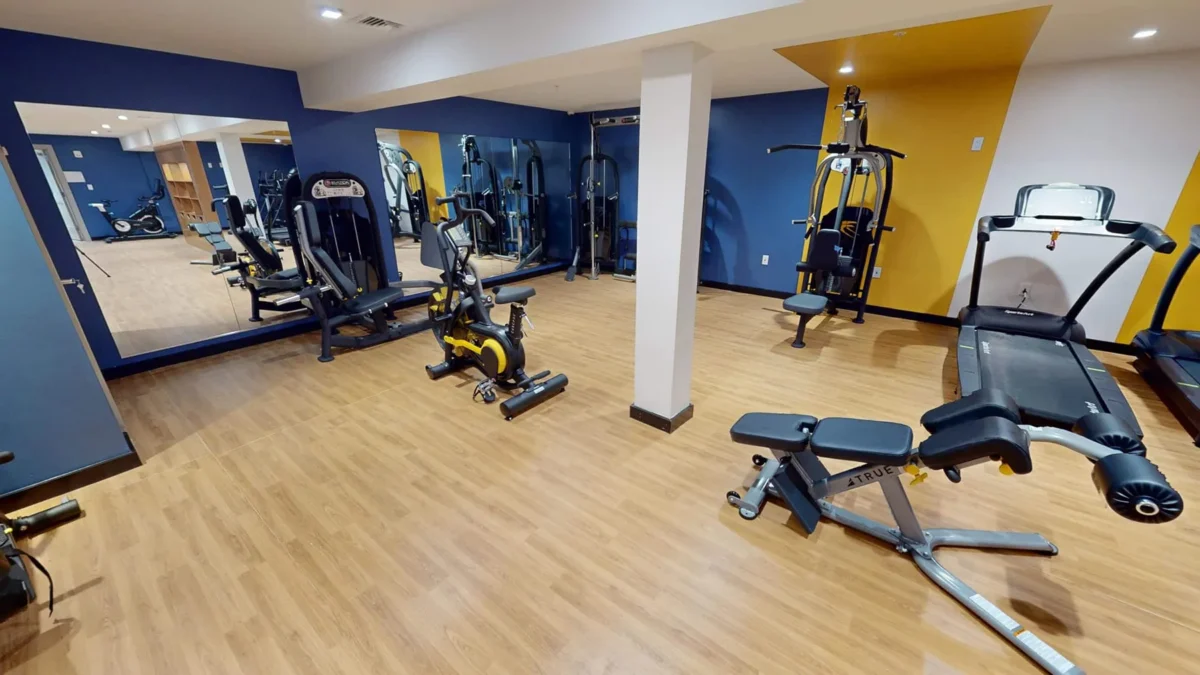
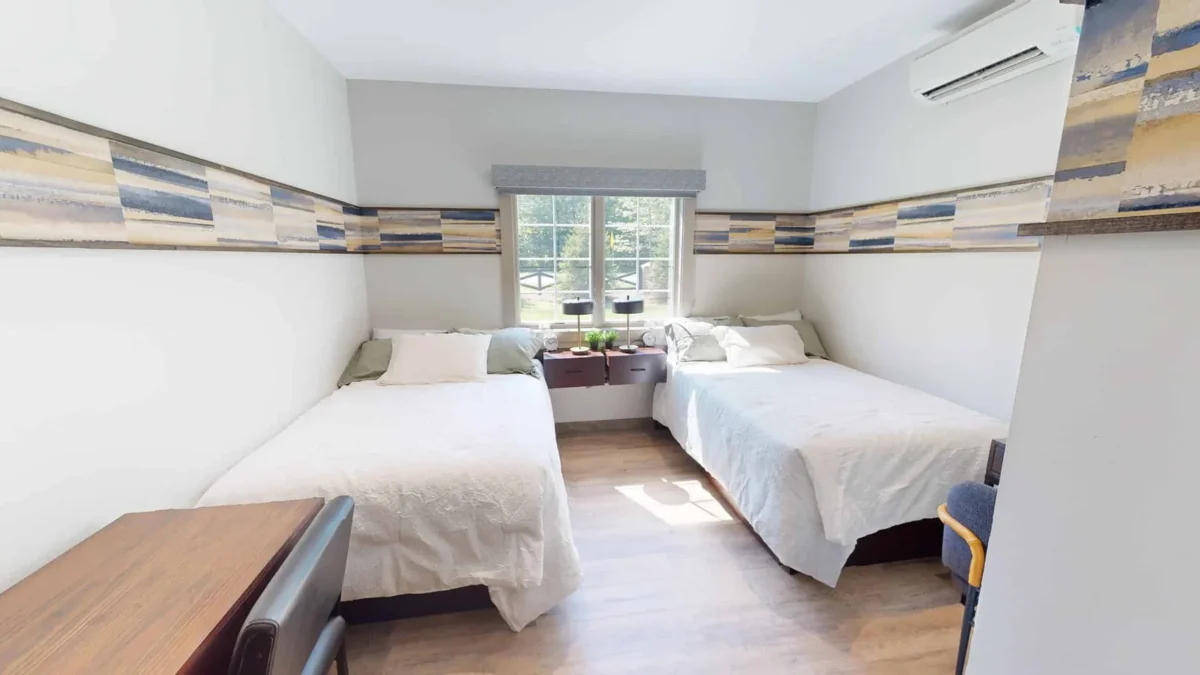
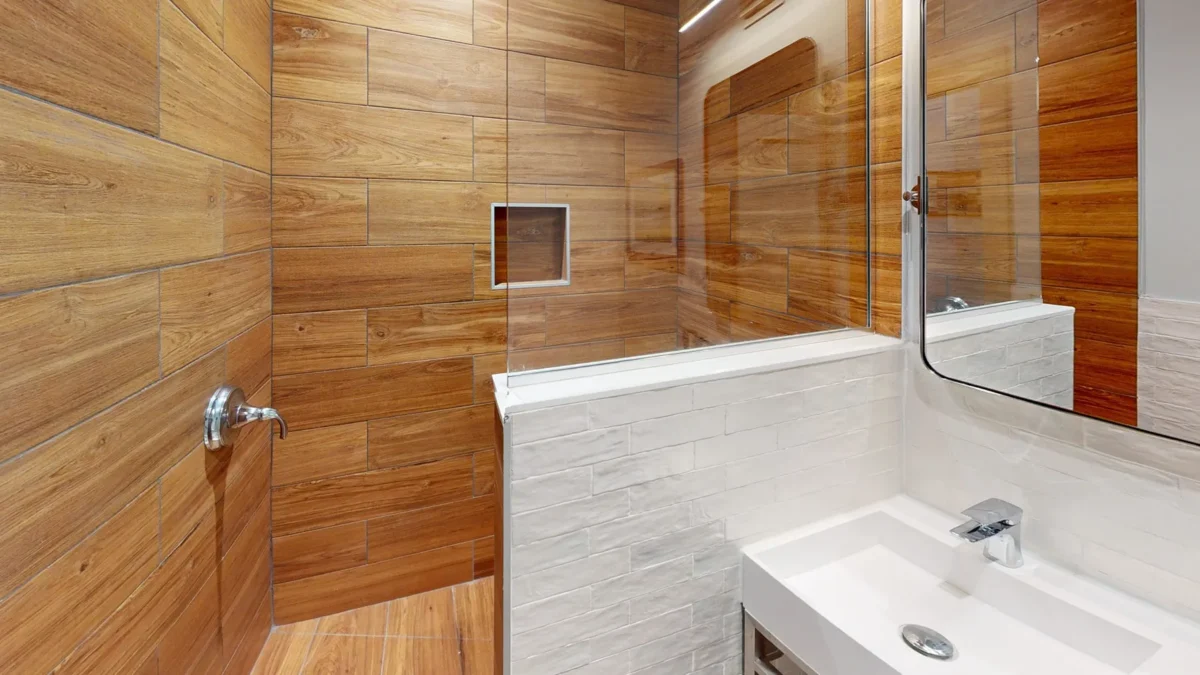
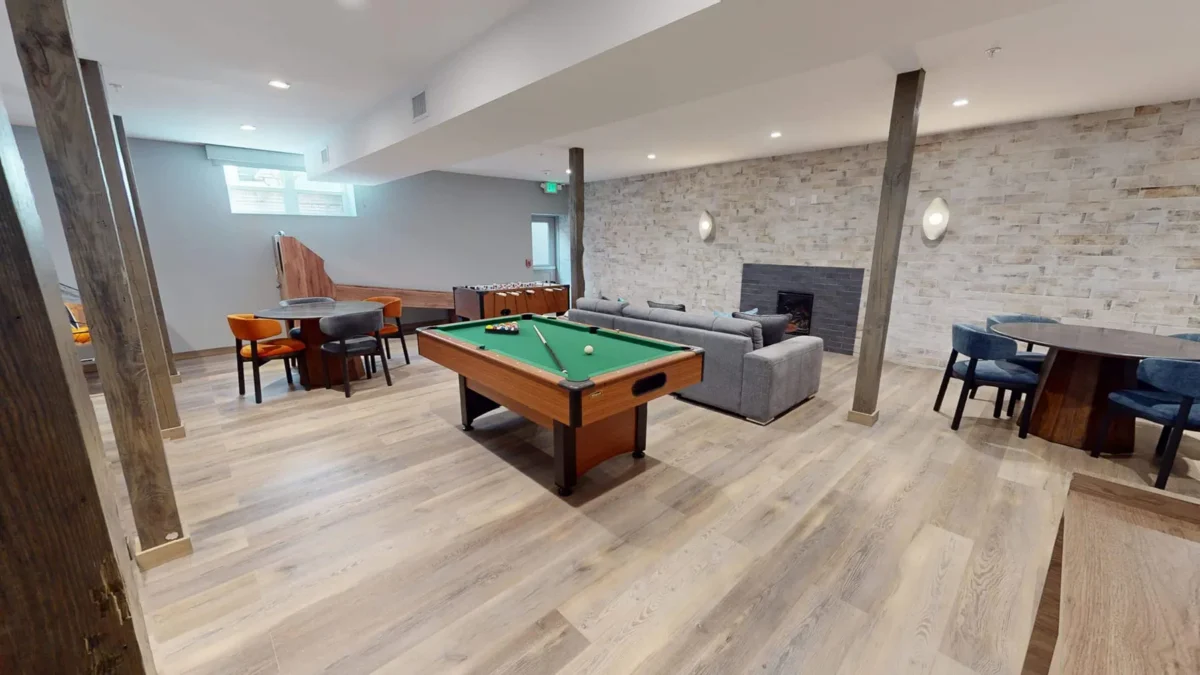
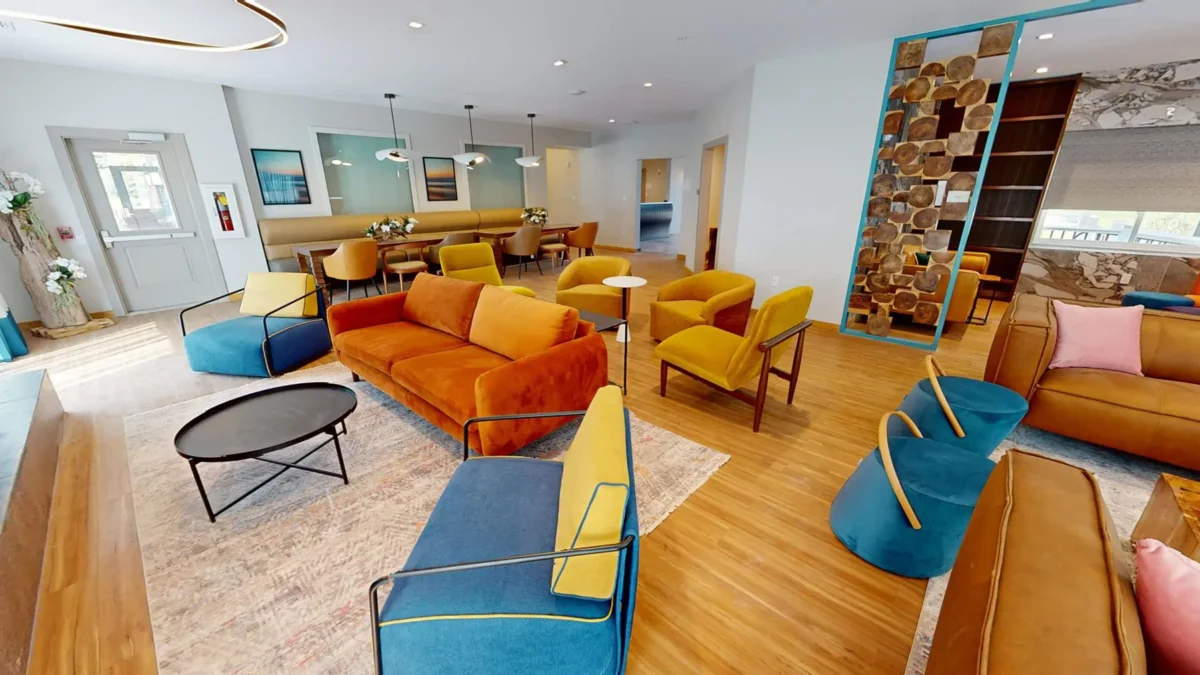
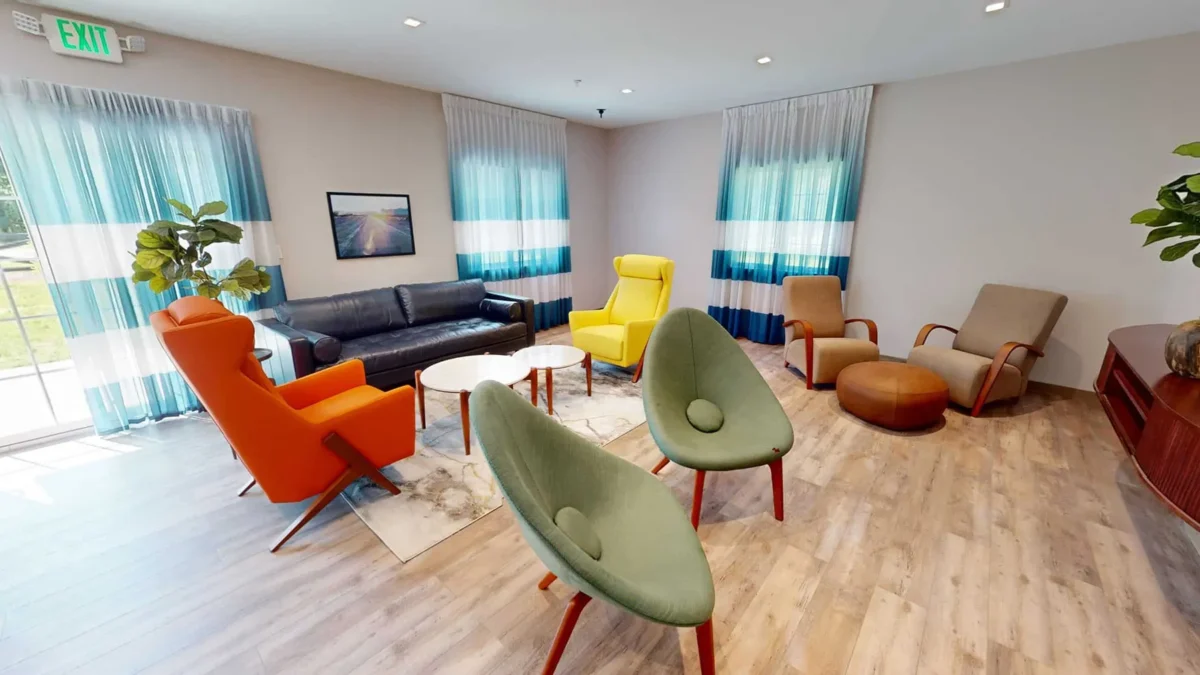
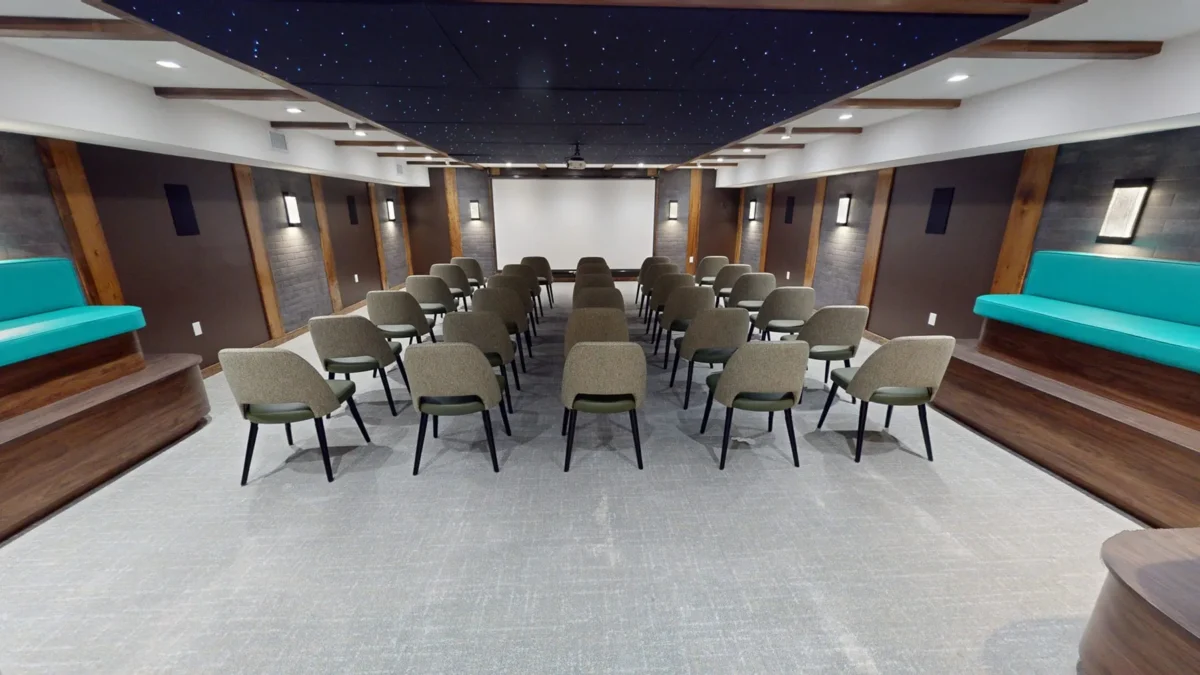
Nestled in the serene Catskill Mountains, BriteLife Recovery at Lexington (NY), our West Kill, New York facility offers a tranquil, supportive setting with state-of-the-art addiction treatment. We combine holistic and evidence-based approaches and tailor programs to each client to support lasting recovery and a comprehensive path to wellness.
Customized Treatment Plans
Holistic Approach
Family Therapy
Residential Alcohol Rehab Program
Following detox, clients transition to our residential rehabilitation program where intensive therapeutic work begins. Our residential alcohol treatment provides a structured, immersive environment where individuals can focus entirely on recovery, away from triggers and stresses of daily life.
Program length: Most clients participate in residential treatment for 28–30 days, though length of stay is individualized based on clinical needs and treatment progress. Research suggests that longer treatment duration is associated with better outcomes in alcohol recovery.
Residential treatment programming includes:
- Individual Therapy: 3–6 sessions per week with a licensed therapist utilizing CBT, motivational interviewing, and trauma-informed approaches
- Group Therapy: Three therapeutic groups daily, seven days per week
- Process Groups: Interpersonal learning and emotional processing in the here-and-now
- Caseload Groups: Smaller, more intimate groups with clients from the same therapist’s caseload
- Specialty Topic Groups: Four-week cycles addressing specific themes like codependency, healthy relationships, family roles, communication, and conflict resolution
- Nature-Informed Therapy Groups: All 14 modules of our certified NIT curriculum
- Adventure Recovery: Experiential activities facilitated by AR staff with clinical processing
- Creative Expression Groups: Art, music, writing, and movement therapy
- Focus Groups: Psychoeducational sessions on addiction science, brain chemistry, triggers, relapse prevention, and recovery strategies
- 12-Step Recovery: On-site meetings every evening, seven days per week
- Alternative Recovery Options: Introduction to Refuge Recovery and other non-12-step pathways
- Family Therapy: Individual family sessions when clinically appropriate
- Medication Management: Ongoing evaluation and management of FDA-approved medications for AUD (naltrexone, acamprosate, disulfiram) as part of an integrated treatment plan
- Case Management: Individualized support with treatment planning, insurance coordination, and discharge preparation
Medical and psychiatric services:
- Comprehensive psychiatric evaluation by nurse practitioners or psychiatrists
- Ongoing medication management for co-occurring mental health conditions
- Monitoring and treatment of medical complications from chronic alcohol use, including liver function, nutritional deficiencies, and neurological concerns
- Regular physician check-ins and monitoring
- Integrated care for conditions like depression, anxiety, PTSD, bipolar disorder, and ADHD
Wellness and integrative services:
- Yoga classes for body awareness and stress reduction
- Acupuncture for healing and balance
- Massage therapy for relaxation and body reconnection
- Reiki and energy work
- Sound healing and drum circles
- Meditation and breathwork sessions
- Nutritional education including “Food as Medicine” groups
- Fitness activities and outdoor recreation
- Nature-based activities and time in natural settings
Multidisciplinary Treatment Team Approach
Every client is supported by a comprehensive treatment team including a primary therapist, case manager, psychiatrist or psychiatric nurse practitioner, medical staff, and wellness practitioners. Teams meet regularly to coordinate care, monitor progress, and adjust treatment plans as needed.
Specialized Group Programming
Our residential program features diverse group therapy offerings developed from evidence-based models and leading therapeutic approaches:
Groups inspired by Tian Dayton and Relational Trauma Repair:
- Examining & Explaining Feelings Palette
- What Form Does My Anxiety Tend to Take?
- How Does My Anger Tend to Manifest?
- Exploring Forms of Self-Medication
- Examining Myths About Forgiveness
- Claiming Resilient Qualities
- Cognitive Distortions
Groups inspired by Brené Brown’s research:
- Understanding Shame and Its Impact
- Gender Differences in Shame
- Shame Shields and Defense Mechanisms
- Trust and the Marble Jar
- Vulnerability as Strength
- Empathy & Self-Compassion
ACT (Acceptance & Commitment Therapy) groups:
- Limited Self-Knowledge vs. Being Present
- Experiential Avoidance vs. Acceptance
- Cognitive Fusion vs. Cognitive Defusion
- Conceptualized Self vs. Self as Context
- Lack of Values Clarity vs. Defining Values Directions
- Inaction, Impulsivity, or Avoidance vs. Committed Action
Additional specialty groups:
- Family Roles and Dynamics
- The Drama Triangle and the Empowerment Triangle
- Attachment Styles in Relationships
- Book Club series (including “Taming the Anxious Mind”)
- Neurobiology four-group series
- Internal Family Systems (IFS) Basics
- Experiential activities like “Vulnerability Scoot” and “Walking the Plank”
Integrated Treatment Services
BriteLife Recovery’s alcohol treatment program provides fully integrated medical, psychiatric, clinical, and wellness services. Our multidisciplinary approach ensures comprehensive care that addresses all aspects of recovery.
Medical Care
Every client receives thorough medical evaluation and ongoing monitoring throughout treatment. Chronic alcohol use can cause significant medical complications, and our team is equipped to address them. Our medical services include:
- Comprehensive physical examinations upon admission
- Liver function monitoring and management of alcohol-related liver conditions
- Assessment and treatment of alcohol-related nutritional deficiencies, including thiamine (B1), folate, and magnesium
- Management of co-existing medical conditions such as hypertension, gastritis, and neuropathy
- Laboratory testing and diagnostic services
- 24-hour nursing care in detox
- Physician oversight and medical consultations
- Coordination with outside medical specialists when needed
Psychiatric Services
Co-occurring mental health conditions are extremely common among individuals with alcohol use disorder. Depression, anxiety, PTSD, and bipolar disorder frequently co-exist with AUD and can drive relapse if left untreated. Our integrated psychiatric care addresses these conditions alongside substance use treatment.
Psychiatric services include:
- Comprehensive psychiatric evaluation for all clients
- Diagnosis and treatment of co-occurring disorders including depression, anxiety, PTSD, bipolar disorder, and ADHD
- Medication management by psychiatrists or psychiatric nurse practitioners
- Evaluation and prescribing of FDA-approved AUD medications (naltrexone, acamprosate, disulfiram)
- Regular psychiatric follow-up appointments
- Coordination between psychiatric and clinical teams
- Medication education and side effect management
Our Pennsylvania and South Carolina facilities have particularly robust psychiatric services with access to multiple psychiatrists and psychiatric nurse practitioners.
Licensed Clinical Staff
Our clinical team consists of master’s and doctoral level therapists (LCSWs, LPCs, psychologists) with specialized training in addiction treatment, trauma therapy, and co-occurring disorders.
Clinical services include:
- Individual therapy sessions with your assigned primary therapist
- Comprehensive clinical assessment and diagnosis
- Individualized treatment planning
- Group therapy facilitation across multiple modalities
- Family therapy sessions
- Case management and discharge planning
- Crisis intervention and support
- Coordination with outside providers and referral sources
Adventure Recovery Program
Our Adventure Recovery program provides unique experiential learning opportunities that complement traditional therapeutic approaches. Trained Adventure Recovery staff facilitate outdoor activities while licensed clinicians provide therapeutic processing afterward.
Adventure Recovery includes:
- Outdoor challenge activities designed to build confidence
- Team-building experiences
- Nature-based therapeutic activities
- Opportunities to overcome perceived limitations
- Practice with uncertainty and discomfort tolerance
- Clinical processing groups to connect experiences with recovery themes
Adventure Recovery is available at our South Carolina and New York locations where natural environments provide ideal settings for this programming.
Family Support Services
Alcohol addiction impacts entire family systems—often profoundly. Because alcohol is legal and socially normalized, family members may struggle for years to recognize the problem or know how to respond. We provide education and support for families throughout treatment.
Family services include:
- Family therapy sessions with clients and their loved ones
- Educational resources about addiction and recovery
- Communication skills training for families
- Support for families navigating difficult decisions
- Guidance on healthy boundaries and enabling behaviors
Discharge Planning & Continuing Care
Successful recovery from alcohol use disorder extends beyond residential treatment completion. BriteLife Recovery provides comprehensive discharge planning to ensure every client has a clear pathway for continuing their recovery journey.
Comprehensive Discharge Planning
Our case managers work closely with each client’s treatment team to develop individualized discharge plans that address all aspects of continuing care. Discharge planning begins early in residential treatment and intensifies as completion approaches.
Discharge planning includes:
- Assessment of appropriate continuing level of care (PHP, IOP, or outpatient)
- Referrals to quality treatment providers in the client’s home community
- Connection to outpatient therapists specializing in addiction
- Psychiatric follow-up arrangements and medication continuity, including ongoing AUD medication management
- Recovery fellowship connections (12-step, Refuge Recovery, SMART Recovery, etc.)
- Sober living placement assistance when appropriate
- Return-to-work support and FMLA documentation
- Specialized treatment referrals (trauma therapy, couples counseling, family therapy)
- Community resource connection (support groups, peer support, vocational services)
- Development of detailed relapse prevention plans
- Emergency contact information and crisis planning
Our clinical and case management teams have extensive networks of trusted providers across the country. We work diligently to ensure smooth transitions and warm handoffs to continuing care providers.
Aftercare Recommendations
Research consistently shows that ongoing support following residential treatment significantly improves long-term recovery outcomes. We strongly recommend that clients transition to continuing care rather than returning directly to their previous environment without support.
Common aftercare recommendations include:
- Partial Hospitalization (PHP): 20+ hours of weekly programming for clients needing continued intensive support
- Intensive Outpatient (IOP): 9–19 hours of weekly programming allowing balance with work or school
- Outpatient Therapy: Individual and group therapy sessions at decreasing frequency
- Medication Management: Ongoing AUD medication (naltrexone, acamprosate) and psychiatric care for co-occurring conditions
- Recovery Fellowships: Regular attendance at 12-step or alternative recovery meetings
- Sober Living: Recovery-focused housing with structure, accountability, and peer support
- Alumni Programming: Connection to BriteLife Recovery’s ongoing alumni services
For clients who need continuing treatment, SAMHSA’s Treatment Locator can help identify quality providers in any location nationwide.
Alumni Services
BriteLife Recovery maintains ongoing connections with our graduates through alumni programming designed to support long-term recovery.
Alumni services include:
- Virtual Alumni Groups: Regular online support meetings facilitated by alumni staff
- Alumni Events: In-person gatherings, celebrations, and recovery activities
- Alumni Communications: Newsletters, recovery resources, and program updates
- Recovery Milestone Recognition: Celebrating sobriety anniversaries and achievements
- Peer Mentorship: Opportunities to support others in early recovery
Alumni programming is currently expanding across all locations. Contact us to learn about current offerings and upcoming events.
The Importance of Continuing Care
Alcohol use disorder is a chronic condition that requires ongoing management. While residential treatment provides an essential foundation and skills, most individuals benefit from months or years of continuing support—including medication management, therapy, and community connection. We encourage all clients to remain engaged in recovery-focused activities and communities long after completing residential treatment.
Ready to Help Your Loved One Find Hope?
When alcohol addiction threatens someone you care about, taking action can feel overwhelming. But you don’t have to face this moment alone. BriteLife Recovery works alongside families and professional interventionists to create pathways toward healing—offering immediate access to compassionate, evidence-based treatment the moment your loved one is ready.
Our team understands that intervention is just the beginning. From medically supervised detox to residential treatment and beyond, we provide integrated care that addresses the whole person—mind, body, and spirit. With facilities in Pennsylvania, South Carolina, and New York, we’re here to support your family through every step of the recovery journey.
Ready to Help Your Loved One Find Hope?
When addiction threatens someone you care about, taking action can feel overwhelming. But you don't have to face this moment alone. BriteLife Recovery works alongside families and professional interventionists to create pathways toward healing—offering immediate access to compassionate, evidence-based treatment the moment your loved one is ready.
Our team understands that intervention is just the beginning. From medically supervised detox to residential treatment and beyond, we provide integrated care that addresses the whole person—mind, body, and spirit. With facilities in Pennsylvania, South Carolina, and New York, we're here to support your family through every step of the recovery journey.
Recovery starts with connection. Let us help you take the first step.