
Understanding Marijuana Use Disorder
Marijuana—also known as cannabis, weed, pot, or herb—is the most commonly used federally illegal drug in the United States. Despite growing legalization and social acceptance, cannabis can lead to addiction for many people. Cannabis use disorder (CUD) occurs when someone continues using marijuana despite experiencing significant problems in their health, relationships, work, or daily functioning.
Research demonstrates that about one in ten people who use marijuana will develop cannabis use disorder, and this risk increases significantly for those who start using during adolescence. Young adults aged 18-25 show particularly high rates, with approximately 14.4% experiencing cannabis use disorder. Contrary to common belief, marijuana withdrawal is real and recognized in clinical diagnoses, with symptoms including irritability, sleep difficulties, decreased appetite, restlessness, and various forms of physical discomfort.
Common Signs of Cannabis Use Disorder
Cannabis use disorder can manifest through several warning signs, including:
- Using marijuana in larger amounts or over a longer period than intended
- Persistent desire or unsuccessful efforts to cut down or control cannabis use
- Spending significant time obtaining, using, or recovering from marijuana
- Cravings or strong desire to use cannabis
- Continued use despite recurring problems at work, school, or home
- Giving up important social, occupational, or recreational activities
- Using marijuana in physically hazardous situations
- Continued use despite knowledge of physical or psychological problems caused by cannabis
- Developing tolerance (needing more to achieve the same effect)
- Experiencing withdrawal symptoms when attempting to stop
Many individuals use marijuana to self-medicate underlying conditions such as anxiety, depression, trauma, or chronic stress. While cannabis may provide temporary relief, it often masks deeper issues that require professional attention and care.
Effects of Long-Term Marijuana Use
While marijuana is often perceived as less harmful than other substances, chronic cannabis use can lead to significant health consequences, particularly when use begins in adolescence or young adulthood. Long-term effects may include:
- Impaired memory, attention, and learning abilities
- Reduced motivation and ambition
- Increased risk of anxiety disorders and depression
- Cannabinoid hyperemesis syndrome (severe cyclic nausea and vomiting)
- Respiratory problems when smoked
- Increased risk of developing other substance use disorders
- Psychosis or worsening of psychotic symptoms in vulnerable individuals
- Impaired cognitive development in young users
For adolescents and young adults, marijuana use during critical periods of brain development can have lasting impacts on cognitive functioning, emotional regulation, and impulse control. These effects underscore the importance of seeking treatment when cannabis use becomes problematic.
Take the First Step Toward Recovery
BriteLife Recovery offers comprehensive marijuana treatment programs in PA, NY, SC, and NJ. Our compassionate team is ready to help you rebuild your life.
Evidence-Based Marijuana Treatment Approaches
Currently, there are no FDA-approved medications specifically for treating cannabis use disorder. However, comprehensive treatment combining multiple therapeutic approaches has shown significant effectiveness in helping individuals achieve and maintain recovery from marijuana addiction.
Psychotherapeutic Treatments
Research consistently supports behavioral interventions as the foundation of effective cannabis use disorder treatment. The most studied and supported approaches include:
Cognitive-Behavioral Therapy (CBT) helps individuals identify the circumstances and triggers that lead to marijuana use, develop effective coping strategies, and learn alternative behaviors. CBT focuses on recognizing thought patterns that contribute to use and building skills to prevent return to use.
Motivational Enhancement Therapy (MET) is particularly effective for engaging individuals who may be ambivalent about changing their cannabis use. This approach helps people explore their own motivations for change and builds internal commitment to recovery.
Contingency Management (CM) uses positive reinforcement to encourage abstinence during treatment. Studies show that when combined with CBT and MET, contingency management promotes longer periods of abstinence and improved treatment outcomes.
Research indicates that combination treatments produce better outcomes than single approaches alone. Treatment lasting four or more sessions over at least one month shows superior effectiveness compared to brief interventions.
Family-Based Approaches
For younger individuals, family engagement significantly improves treatment outcomes. Multidimensional Family Therapy has demonstrated particular effectiveness for adolescents with heavy cannabis use or co-occurring psychiatric conditions. This approach addresses family dynamics, communication patterns, and environmental factors that may contribute to substance use.
Addressing Co-Occurring Disorders
Cannabis use disorder frequently occurs alongside other mental health conditions. Approximately three-quarters of individuals with CUD experience at least one additional substance use disorder, most commonly involving alcohol or tobacco. Integrated treatment that addresses both marijuana use and co-occurring mental health conditions—such as depression, anxiety, ADHD, or trauma—produces better long-term outcomes than treating either condition in isolation.
Call 24/7 for Confidential Support – Our admissions specialists are ready to help you take the first step.
Levels of Care for Marijuana Addiction Treatment
Effective marijuana treatment programs offer multiple levels of care to match individual needs and circumstances:
Detoxification Programs
While marijuana withdrawal is typically less severe than withdrawal from substances like alcohol or opioids, medical supervision during detox can significantly improve comfort and safety. Cannabis withdrawal symptoms, including irritability, anxiety, sleep disturbances, decreased appetite, and restlessness, typically begin within a week of stopping use and may persist for one to two weeks. Professional detox programs provide medical monitoring, symptom management, and emotional support during this challenging initial phase.
Residential Treatment (Inpatient Rehab)
Inpatient marijuana rehab programs provide 24-hour care and support in a structured environment away from triggers and influences that may promote continued use. Residential treatment typically lasts 30 to 90 days and offers intensive therapeutic interventions, medical monitoring, and comprehensive support services. This level of care is particularly beneficial for individuals with:
- Severe cannabis use disorder
- Co-occurring mental health conditions
- Previous unsuccessful attempts to quit
- Environments that make abstinence particularly challenging
- Limited support systems
Outpatient Treatment Programs
Outpatient care allows individuals to continue living at home while attending scheduled treatment sessions. This approach works well for those with stable living situations, supportive environments, and less severe addiction. Outpatient programs offer flexibility for individuals who need to maintain work, school, or family responsibilities while receiving treatment.
Why Choose Professional Treatment?
While some people attempt to quit marijuana on their own, professional treatment significantly improves success rates. Studies show that approximately 71% of adults who attempt to quit cannabis without support relapse within the first six months. Comprehensive treatment addresses not just the symptoms of addiction but the underlying causes, providing tools and support for lasting recovery.
Marijuana Treatment at BriteLife Recovery
At BriteLife Recovery, we recognize that marijuana addiction often reflects a deeper disconnection—from oneself, from others, and from a sense of purpose. Our treatment philosophy addresses cannabis use disorder not as a moral failing but as a response to unmet needs for safety, connection, and support. We offer compassionate, individualized care that honors your unique journey and circumstances.
Our Comprehensive Approach
BriteLife Recovery provides integrated treatment that combines evidence-based therapies with holistic wellness services to support whole-person healing:
Evidence-Based Therapies: Our clinical team utilizes proven approaches including Cognitive-Behavioral Therapy (CBT), Motivational Interviewing, and trauma-informed care. We understand that substance use often stems from unresolved trauma or adverse life experiences, and we integrate trauma-responsive principles throughout every aspect of care.
Nature-Informed Therapy: BriteLife Recovery offers innovative Nature-Informed Therapy (NIT) groups led by certified clinicians. Grounded in ecopsychology, NIT recognizes that disconnection from nature contributes to mental health challenges. Our 14 specialized nature-informed therapy modules help clients reconnect with themselves, others, and the natural world—fostering healing, resilience, and authentic well-being.
Process Groups: Our process groups focus on here-and-now interactions between members, supporting interpersonal learning and emotional processing. Since addiction often stems from interpersonal wounds, these groups facilitate healing through genuine connection and the development of healthier relationship patterns.
Specialized Programming: We offer focused groups addressing specific challenges including anxiety management, anger expression, shame resilience, attachment patterns, family dynamics, and more. Our programming draws from leading approaches including Acceptance and Commitment Therapy (ACT), work by Brené Brown on vulnerability and shame, and relational trauma repair.
Holistic Wellness Services: Recognizing that healing extends beyond talk therapy, we integrate wellness practices such as yoga, breathwork, meditation, acupuncture, and experiential activities. These services help clients regulate their nervous systems, reconnect with their bodies, and cultivate balance across mind, body, and spirit.
Individualized Care Plans
No two recovery journeys are the same. At BriteLife Recovery, we create personalized treatment plans that reflect your specific needs, goals, and circumstances. Our multidisciplinary team—including psychiatrists, therapists, case managers, and wellness practitioners—collaborates to provide coordinated, responsive care that evolves alongside your healing process.
Dual Diagnosis Treatment
Many individuals using marijuana struggle with co-occurring mental health conditions such as depression, anxiety, PTSD, or ADHD. Our integrated dual diagnosis approach addresses both substance use and mental health concerns simultaneously, recognizing that lasting recovery requires treating the whole person. Psychiatric evaluations, medication management when appropriate, and comprehensive clinical services ensure that all aspects of your well-being receive expert attention.
Family Involvement and Support
When clients choose to involve loved ones, we provide education and resources to foster healing for the entire family system. We understand that addiction affects not just individuals but entire networks of relationships. Our family programming helps loved ones understand addiction, improve communication, set healthy boundaries, and support sustainable recovery.
Choose the setting that speaks to you
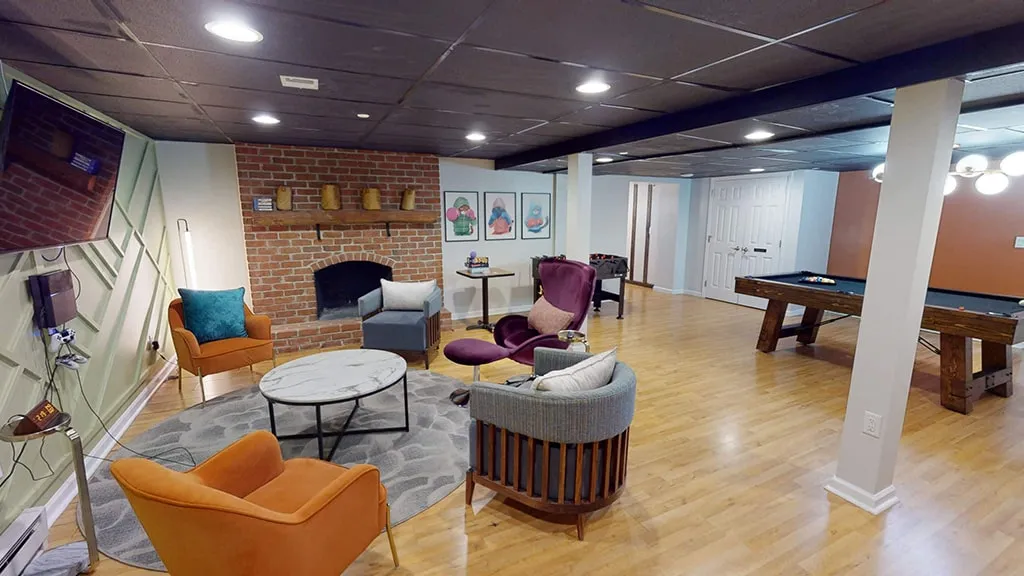
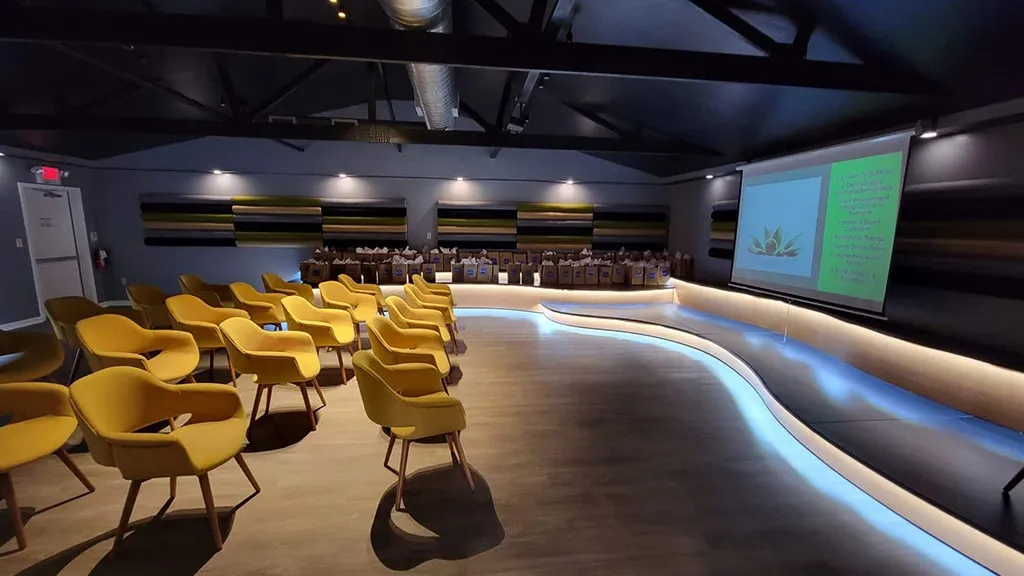
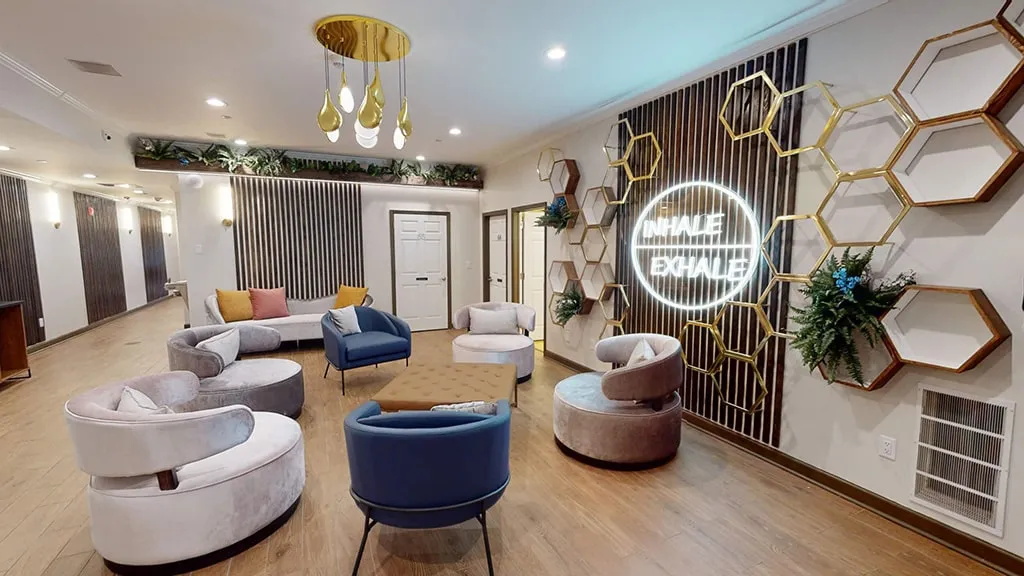
Comprehensive Care, Personalized to You
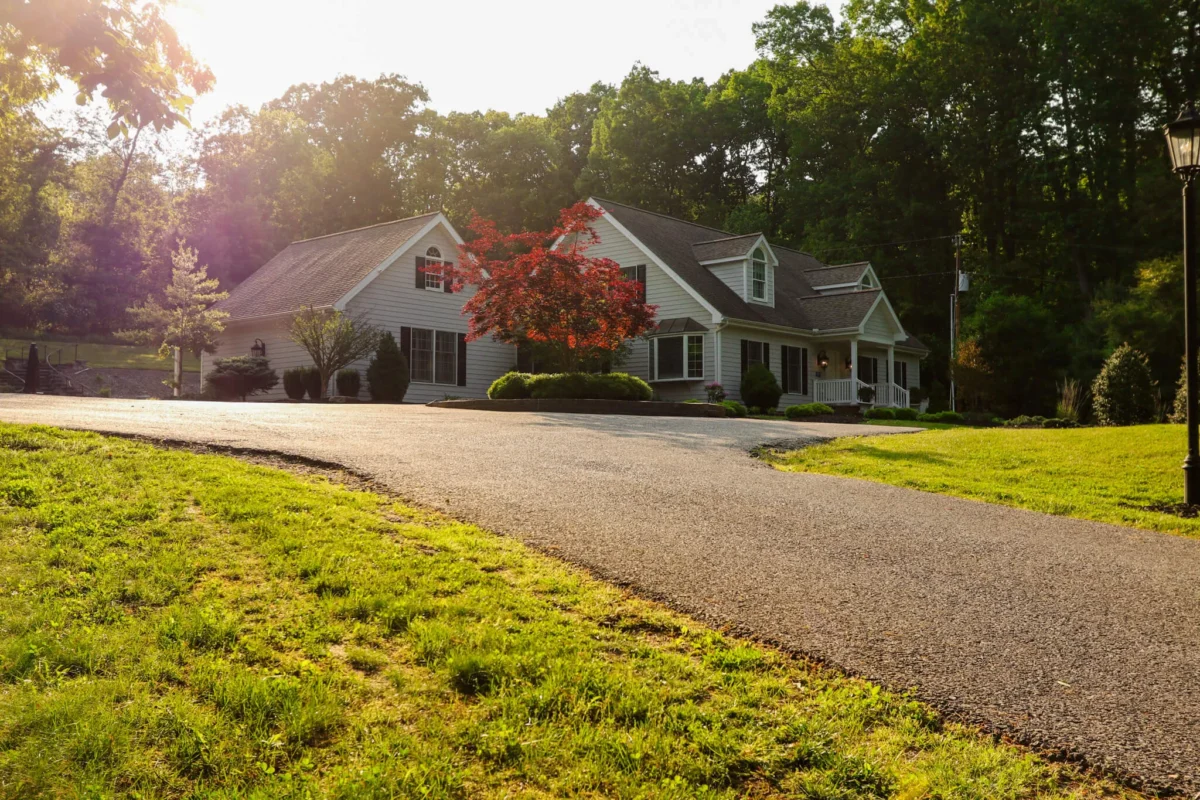
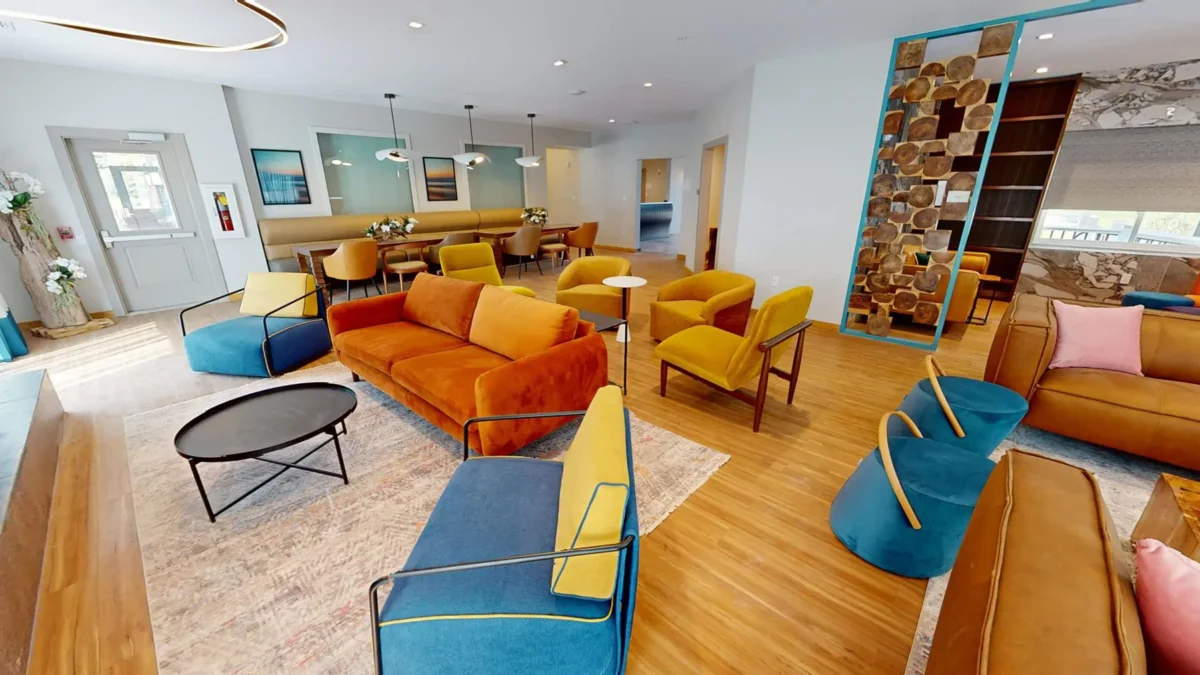
BriteLife Recovery Pennsylvania
544 Iron Ridge Rd, Hanover, PA 17331
BriteLife Recovery in Hanover, Pennsylvania provides evidence-based detox and residential treatment with one-on-one, individualized care focused on total health and long-term recovery.

Personalized one-on-one care
Evidence-based therapies (CBT, TIC, BALM®, Nature-Informed)
In-network with major insurers

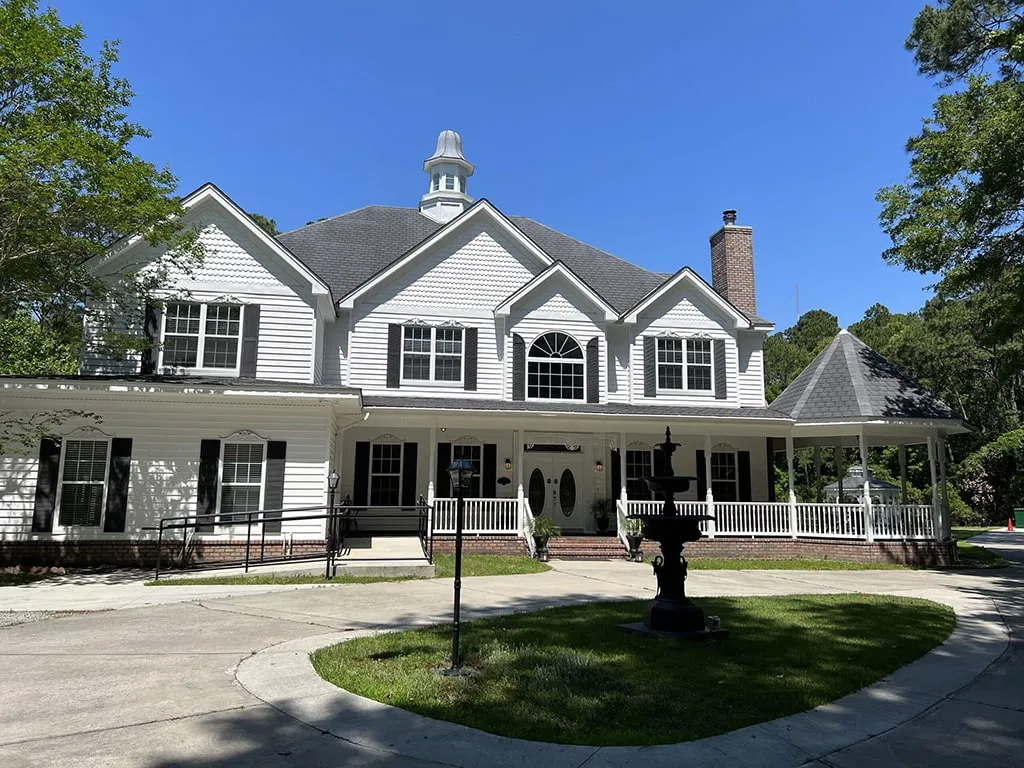

Advanced Treatment with Specialized Women’s Care
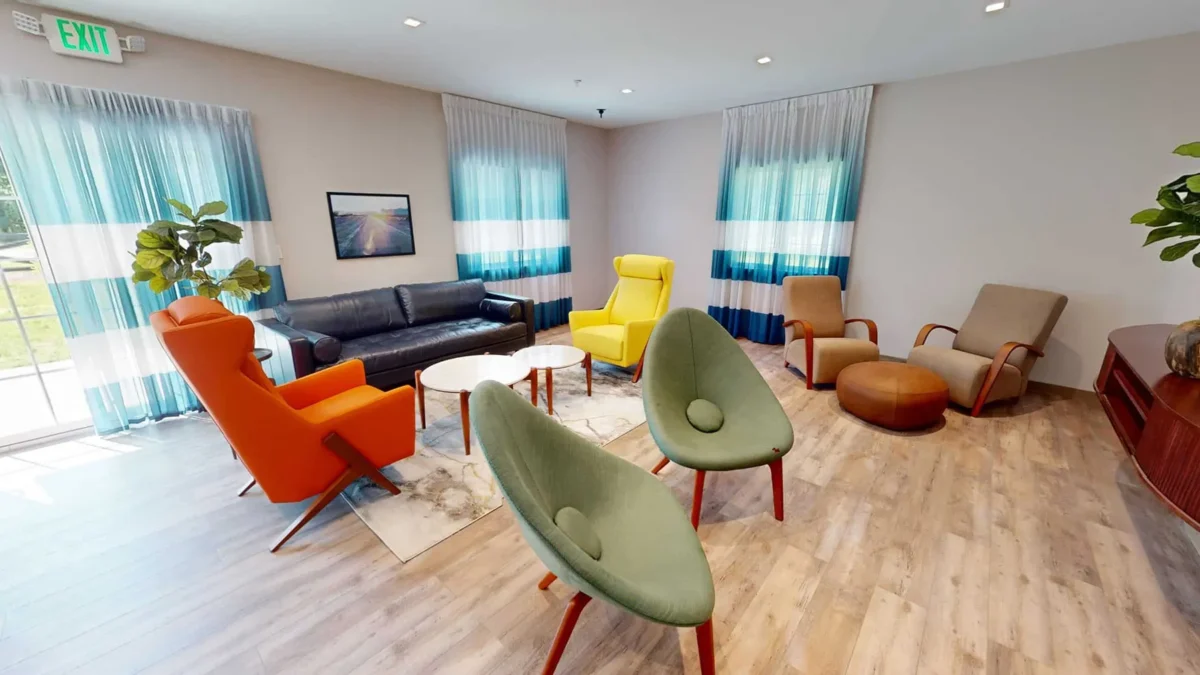
BriteLife Recovery South Carolina
2200 Main St, Hilton Head Island, SC 29926
BriteLife Recovery in Hilton Head Island, South Carolina delivers evidence-based detox and residential programs plus a nearby women’s residential program offering gender-specific, trauma-informed care for substance use and co-occurring conditions.
Women’s residential program (Bluffton)
Co-occurring disorder support and MAT

Family therapy and support
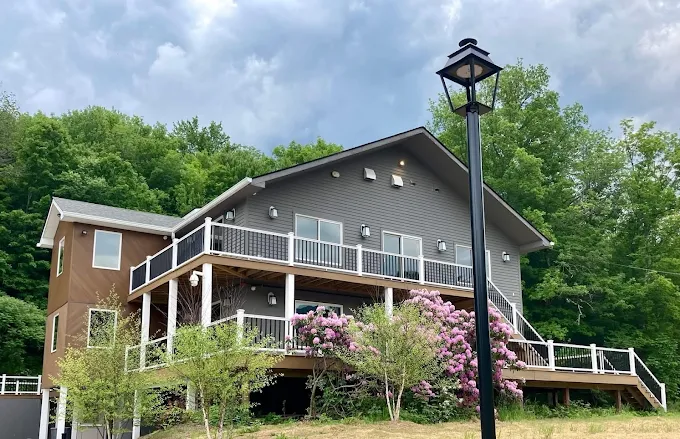
Catskills Retreat with Full Continuum of Care
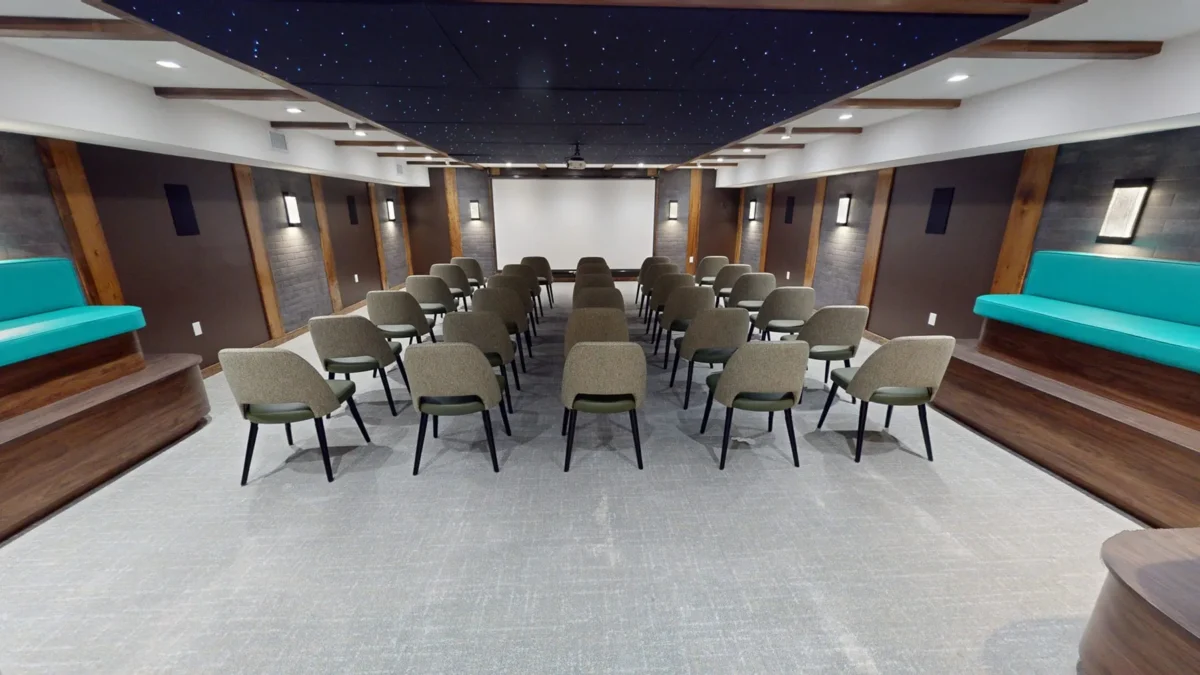
BriteLife Recovery at Lexington (NY)
2774 NY-42, West Kill, NY 12492
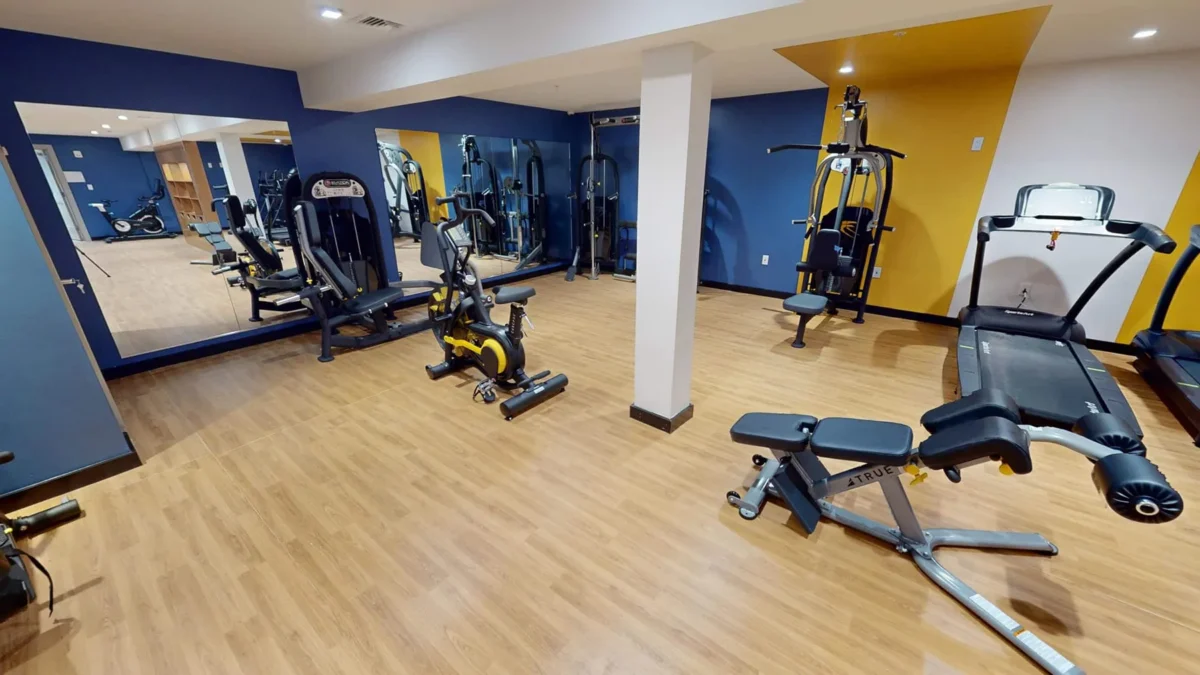
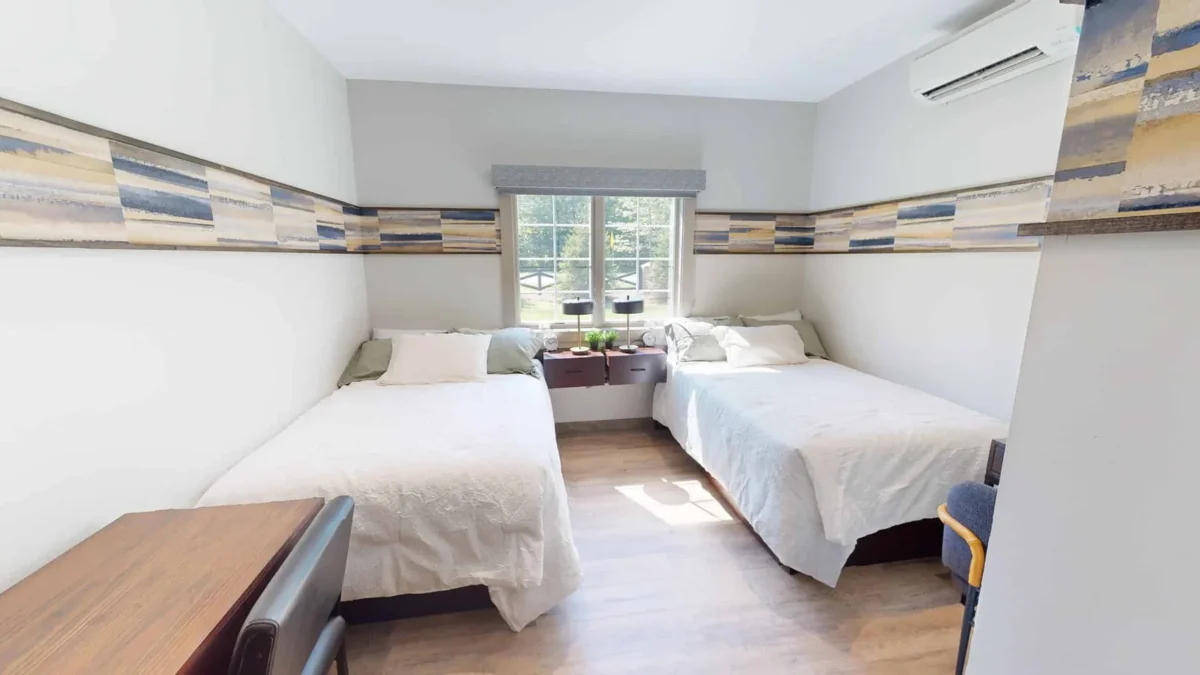
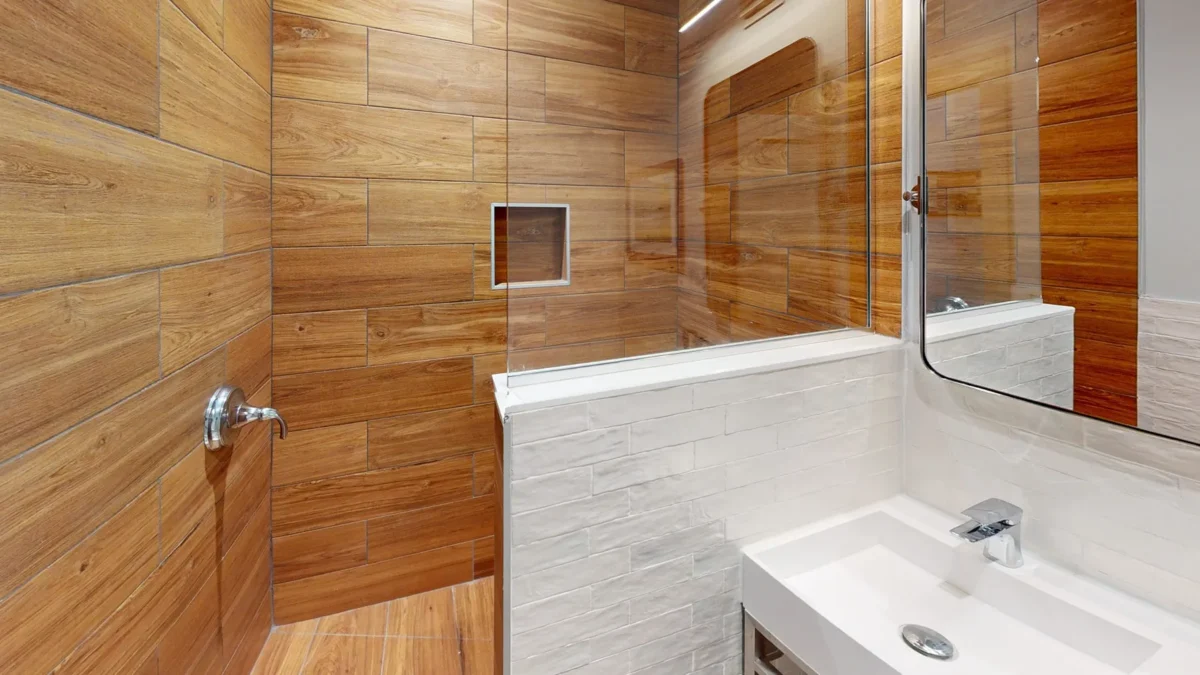
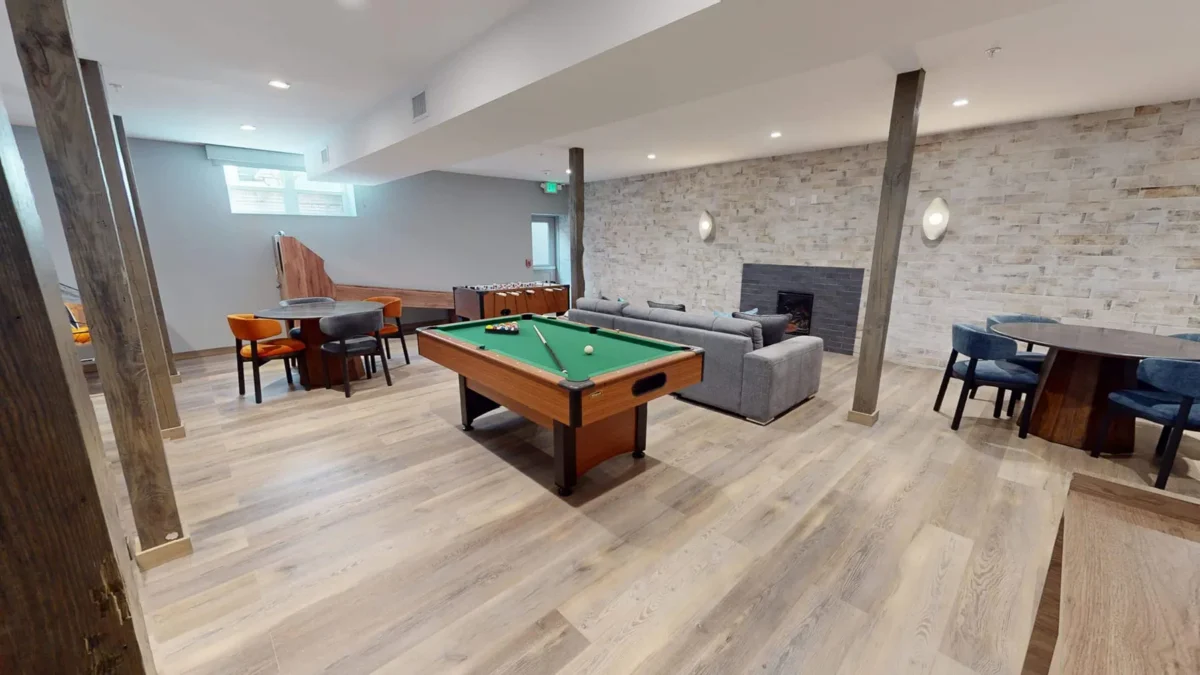
Nestled in the serene Catskill Mountains, BriteLife Recovery at Lexington (NY), our West Kill, New York facility offers a tranquil, supportive setting with state-of-the-art addiction treatment. We combine holistic and evidence-based approaches and tailor programs to each client to support lasting recovery and a comprehensive path to wellness.
Customized Treatment Plans
Holistic Approach
Family Therapy
What to Expect During Treatment
Your journey at BriteLife Recovery begins with comprehensive assessment to understand your unique situation, including substance use patterns, mental health history, medical needs, and personal goals. This assessment informs your individualized treatment plan.
Daily programming includes a structured schedule of individual therapy sessions, group therapy, educational sessions, wellness activities, and time for personal reflection. Our approach balances structure with flexibility, providing clear guidance while honoring your autonomy and personal pace of healing.
Throughout treatment, you'll work with your clinical team to identify triggers, develop coping skills, address underlying issues contributing to substance use, build healthy relationships, and create a sustainable recovery plan. As you progress, programming shifts to focus increasingly on discharge preparation, relapse prevention, and building supports that will continue beyond your time at BriteLife Recovery.
Continuing Care and Alumni Support
Recovery doesn't end at discharge. We provide comprehensive aftercare planning to ensure you have the support, resources, and skills needed for long-term success. This includes referrals for continuing care, connections to community resources, and ongoing support through our alumni network and virtual alumni groups.
Overcoming Barriers to Treatment
Many people hesitate to seek marijuana treatment due to misconceptions about cannabis addiction, concerns about stigma, or uncertainty about whether treatment is necessary. If you're questioning whether you need help, consider these points:
Marijuana addiction is real. While withdrawal may be less physically intense than with some other substances, psychological dependence can be powerful and persistent. If marijuana use is causing problems in your life—affecting your relationships, work, health, or sense of well-being—treatment can help.
You don't have to hit "rock bottom." Seeking help is a sign of strength, not weakness. The earlier you address problematic cannabis use, the better your chances for complete recovery and minimizing long-term consequences.
Treatment works. Research consistently demonstrates that comprehensive, evidence-based treatment helps people reduce or stop marijuana use, address underlying issues, and build fulfilling lives in recovery.
You deserve support. Regardless of how others perceive marijuana use, your experience is valid. If cannabis is negatively affecting your life, you deserve compassionate, professional support to change that pattern.
Frequently Asked Questions About Marijuana Treatment
How long does marijuana treatment take?
Treatment duration varies based on individual needs. Residential programs typically last 28-30 days, though some individuals benefit from longer stays of 60 or 90 days. Outpatient treatment may continue for several weeks to months. Research suggests that longer treatment durations generally produce better outcomes, though the optimal length varies for each person.
Will I experience withdrawal symptoms?
Many regular marijuana users experience withdrawal symptoms when stopping, including irritability, sleep difficulties, decreased appetite, anxiety, and restlessness. These symptoms typically peak within the first week and gradually improve over two weeks. Medical supervision and support during detox can significantly improve comfort and safety during this period.
Is marijuana treatment covered by insurance?
Many insurance plans cover substance use disorder treatment, including treatment for cannabis use disorder. Coverage varies by plan, but most policies provide some level of benefits for detox, residential treatment, and outpatient services. Our admissions team can help verify your specific coverage and explain your options.
Can I continue working or going to school during treatment?
This depends on the level of care you need. Residential treatment requires taking time away from work or school to focus fully on recovery—typically 30 days or more. Outpatient programs allow you to maintain daily responsibilities while attending scheduled treatment sessions. Many people find that taking time for residential treatment ultimately supports better long-term success at work and school.
What makes BriteLife Recovery different from other marijuana rehab centers?
BriteLife Recovery's distinctive approach combines evidence-based clinical care with innovative Nature-Informed Therapy, trauma-responsive treatment, and holistic wellness services. Our philosophy recognizes addiction as a response to disconnection and focuses on rebuilding healthy connections to self, others, and purpose. We provide individualized, compassionate care that honors your unique journey while delivering the proven treatments that support lasting recovery.
Ready to Help Your Loved One Find Hope?
When addiction threatens someone you care about, taking action can feel overwhelming. But you don't have to face this moment alone. BriteLife Recovery works alongside families and professional interventionists to create pathways toward healing—offering immediate access to compassionate, evidence-based treatment the moment your loved one is ready.
Our team understands that intervention is just the beginning. From medically supervised detox to residential treatment and beyond, we provide integrated care that addresses the whole person—mind, body, and spirit. With facilities in Pennsylvania, South Carolina, and New York, we're here to support your family through every step of the recovery journey.
Recovery starts with connection. Let us help you take the first step.