
What Is Heroin?
Heroin is a highly addictive opioid drug illicitly manufactured from morphine, a natural substance extracted from opium poppy plants. While initially developed for medical pain relief in the 1800s, heroin was quickly recognized as dangerously addictive and is now illegal in the United States.
Heroin appears as a white or brown powder or as a dark, sticky substance known as black tar heroin. Street names include smack, dope, H, junk, horse, hell dust, and China white. The drug can be injected, snorted, or smoked, with effects occurring within minutes.
How Heroin Affects the Brain and Body
According to the National Institute on Drug Abuse, heroin binds to opioid receptors in the brain, producing intense euphoria along with:
- Profound sense of relaxation and well-being
- Pain relief
- Drowsiness and mental clouding
- Slowed breathing and heart rate
- Suppressed cough reflex
These effects create powerful reinforcement for continued use. With repeated exposure, the brain adapts to heroin's presence, developing tolerance (requiring more to achieve the same effects) and physical dependence (experiencing withdrawal when use stops).
Short-Term and Long-Term Effects
Immediate effects of heroin use include:
- Rush of euphoria
- Dry mouth and skin flushing
- Heavy feeling in arms and legs
- Severe itching
- Nausea and vomiting
- Confusion and mental fog
- Slowed breathing (respiratory depression)
Chronic heroin use leads to serious health consequences including:
- Damaged veins and collapsed vessels (from injection)
- Infection of heart valves and lining
- Liver and kidney disease
- Lung complications including pneumonia
- Brain changes affecting decision-making and stress response
- Increased risk of infectious diseases (HIV, hepatitis C)
- Mental health conditions including depression
Signs and Symptoms of Heroin Addiction
Recognizing heroin addiction is the first step toward seeking help. The Substance Abuse and Mental Health Services Administration identifies key indicators of opioid use disorder:
Physical Signs
- Constricted "pinpoint" pupils
- Track marks or injection sites
- Frequent drowsiness or "nodding off"
- Slowed breathing and reduced heart rate
- Unexplained weight loss
- Persistent constipation
- Runny nose or frequent nosebleeds (from snorting)
Behavioral and Psychological Signs
- Using heroin in larger amounts or for longer than intended
- Inability to cut down or control use despite wanting to
- Spending significant time obtaining, using, and recovering from heroin
- Intense cravings and preoccupation with getting high
- Failing to meet responsibilities at work, school, or home
- Continuing use despite relationship problems
- Giving up important activities and hobbies
- Using in dangerous situations
- Continuing use despite physical or mental health consequences
- Developing tolerance—needing more to achieve effects
- Experiencing withdrawal when use stops
Social and Life Impact Signs
- Social isolation and withdrawal from loved ones
- Financial problems or stealing to support use
- Legal troubles
- Lying or being secretive about activities
- Loss of interest in appearance and hygiene
- Possession of drug paraphernalia (needles, burnt spoons, small bags)
Heroin Withdrawal and the Need for Medical Detox
When someone with heroin dependence stops using or significantly reduces their dose, withdrawal symptoms typically begin within 6-12 hours. These symptoms include:
- Severe muscle and bone pain
- Restlessness and insomnia
- Intense drug cravings
- Cold flashes with goosebumps ("cold turkey")
- Uncontrollable leg movements
- Nausea, vomiting, and diarrhea
- Sweating and chills
- Rapid heart rate
Why Medical Detox Is Essential
While heroin withdrawal is rarely life-threatening on its own, it is extremely uncomfortable and creates high risk for relapse. The Centers for Disease Control and Prevention emphasizes that medical detoxification significantly improves treatment outcomes.
Medical detox for heroin provides:
- 24-hour medical supervision — Continuous monitoring of vital signs and symptoms
- Medication management — FDA-approved medications to reduce withdrawal severity
- Safety and comfort — Professional intervention for complications like dehydration
- Emotional support — Counseling and encouragement during the most difficult days
- Transition planning — Preparation for comprehensive addiction treatment
The Danger of Quitting Alone
Attempting to quit heroin without medical support carries significant risks:
- Overwhelming withdrawal symptoms lead to relapse in most cases
- After detox, tolerance decreases—previous doses become potentially fatal
- Dehydration from vomiting and diarrhea can cause medical complications
- Psychological distress and depression without support can be dangerous
- Co-occurring medical conditions may worsen without supervision
Call 24/7 for Confidential Support – Our admissions specialists are ready to help you take the first step.
Recognizing and Responding to Heroin Overdose
Heroin overdose is a medical emergency requiring immediate action. Know these critical signs:
Signs of Heroin Overdose
- Unconsciousness or inability to wake the person
- Very slow, shallow, or stopped breathing
- Choking or gurgling sounds (death rattle)
- Extremely small, pinpoint pupils
- Blue or purple lips and fingernails
- Cold, clammy skin
- Limp body
- Pale face
Emergency Response Steps:
- Call 911 immediately—state that someone is not breathing or unresponsive
- Administer naloxone (Narcan) if available—follow package directions
- Try to keep the person awake and breathing
- Lay the person on their side to prevent choking
- Stay until emergency help arrives—don't leave them alone
Good Samaritan laws in most states protect people who seek emergency help during an overdose. Calling for help is always the right choice and can save a life.
Evidence-Based Heroin Treatment Approaches
Medication-Assisted Treatment (MAT)
Medication-assisted treatment is the gold standard for opioid use disorder. NIDA research shows that MAT significantly improves retention in treatment, reduces drug use, lowers infectious disease risk, and decreases criminal activity.
FDA-approved medications for heroin addiction include:
- Methadone — Long-acting opioid agonist that prevents withdrawal and reduces cravings. Taken daily at certified opioid treatment programs. Used successfully since the 1960s with strong evidence for effectiveness.
- Buprenorphine (Subutex, Suboxone) — Partial opioid agonist that relieves cravings without producing intense euphoria. Suboxone contains naloxone to deter misuse. Can be prescribed by certified physicians, increasing treatment access.
- Naltrexone (Vivitrol) — Opioid antagonist that blocks opioid receptors, preventing euphoric effects if heroin is used. Available as daily pill or monthly injection. Non-addictive and doesn't cause physical dependence.
These medications normalize brain chemistry and allow individuals to engage fully in therapy and rebuilding their lives. They are not "substituting one addiction for another"—they are evidence-based medical treatments that save lives.
Behavioral Therapies
Behavioral therapies help individuals understand patterns, develop coping skills, and sustain recovery. Effective approaches include:
- Cognitive Behavioral Therapy (CBT) — Identifies triggers, modifies thinking patterns, and develops healthy coping strategies
- Contingency Management — Uses positive reinforcement to encourage abstinence and treatment participation
- Motivational Interviewing — Strengthens personal commitment and resolve to change
- Dialectical Behavior Therapy (DBT) — Builds skills for emotional regulation and distress tolerance
- Trauma-Informed Therapy — Addresses underlying trauma that often contributes to addiction
Individual therapy provides personalized support, while group therapy offers connection, shared experience, and interpersonal healing. Family therapy helps repair relationships and build sustainable support systems.
Levels of Care for Heroin Rehab
Medical Detoxification
Medically supervised detox provides safe withdrawal management, typically lasting 5-10 days. Healthcare professionals administer medications to reduce symptoms and monitor for complications.
Residential Treatment
Inpatient heroin rehab offers immersive treatment in a structured environment, typically 28-90 days. Includes daily individual therapy, group sessions, medication management, and holistic services. Ideal for those with severe addiction, co-occurring disorders, or unstable living situations.
Intensive Outpatient Programs (IOP)
IOP provides comprehensive treatment several days per week while allowing clients to maintain work, school, or family responsibilities. Offers similar therapeutic approaches to residential care in a flexible format.
Traditional Outpatient Treatment
Less intensive than IOP, outpatient care provides ongoing therapy, medication management, and support groups on a flexible schedule. Supports continued recovery after higher levels of care.
Aftercare and Continuing Support
Ongoing support through alumni programs, 12-step meetings, continuing therapy, and sober living environments helps maintain long-term recovery.
Choose the setting that speaks to you

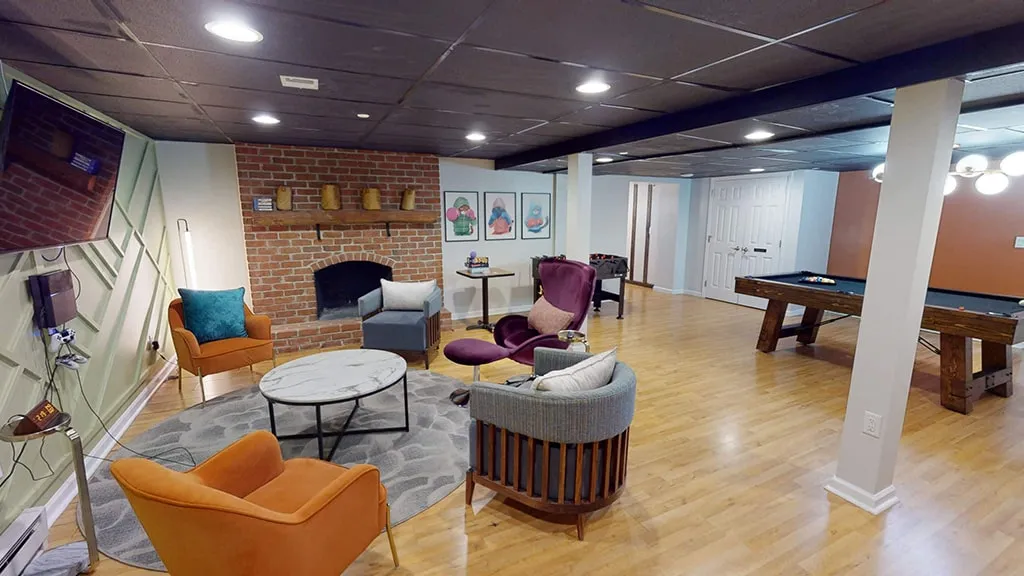


Comprehensive Care, Personalized to You
BriteLife Recovery Pennsylvania
544 Iron Ridge Rd, Hanover, PA 17331
BriteLife Recovery in Hanover, Pennsylvania provides evidence-based detox and residential treatment with one-on-one, individualized care focused on total health and long-term recovery.

Personalized one-on-one care

Evidence-based therapies (CBT, TIC, BALM®, Nature-Informed)

In-network with major insurers

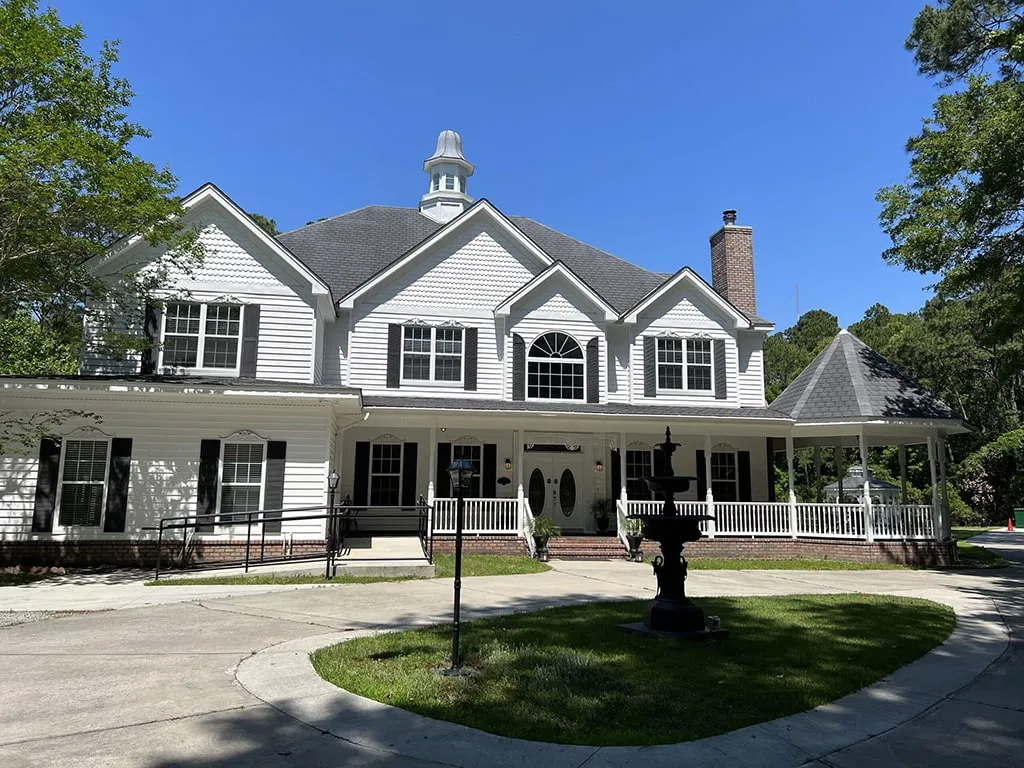

Advanced Treatment with Specialized Women’s Care
BriteLife Recovery South Carolina
2200 Main St, Hilton Head Island, SC 29926
BriteLife Recovery in Hilton Head Island, South Carolina delivers evidence-based detox and residential programs plus a nearby women’s residential program offering gender-specific, trauma-informed care for substance use and co-occurring conditions.
Women’s residential program (Bluffton)
Co-occurring disorder support and MAT

Family therapy and support
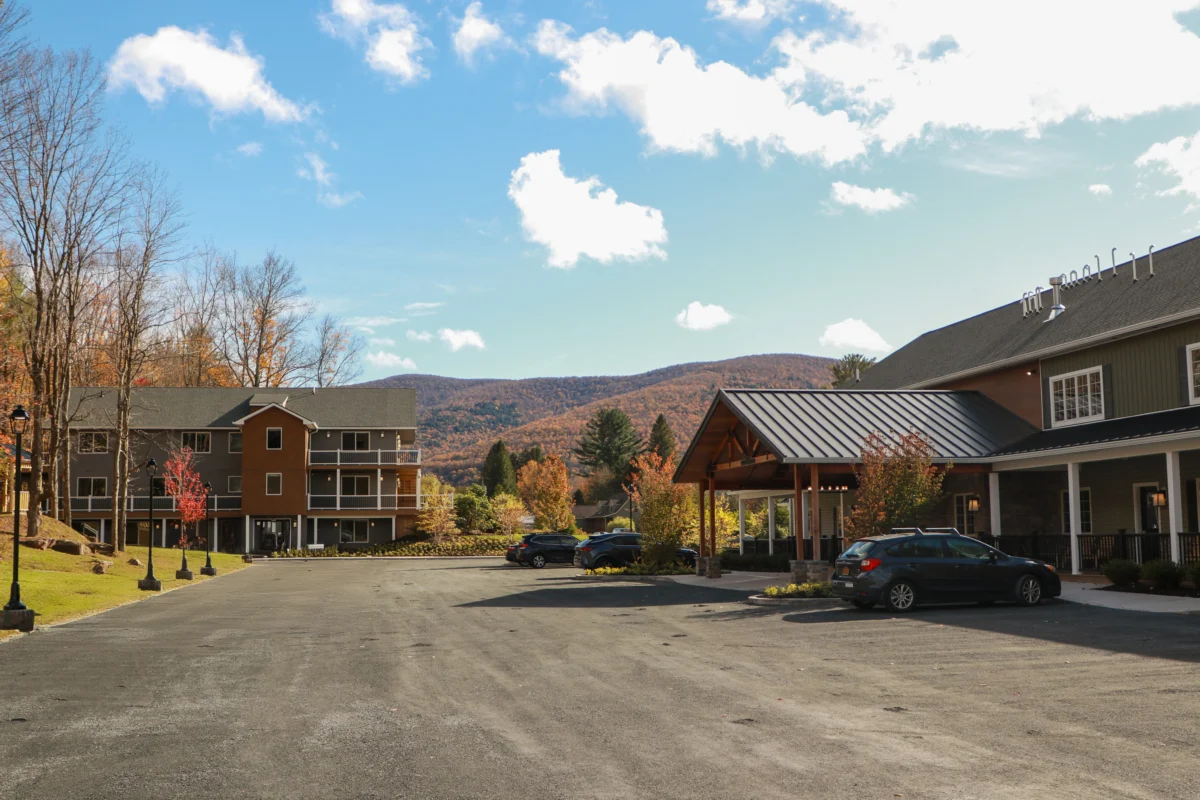
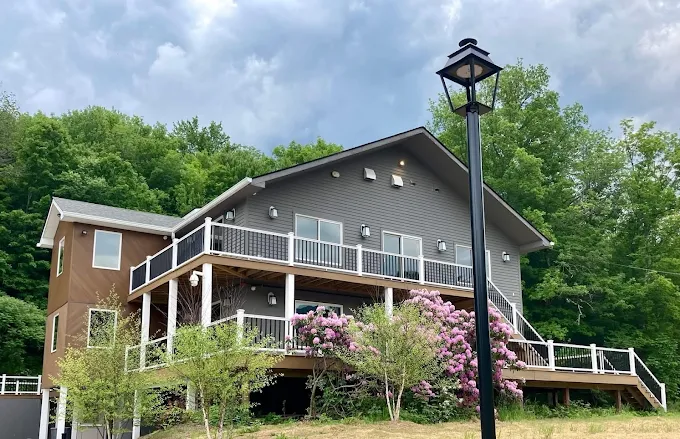
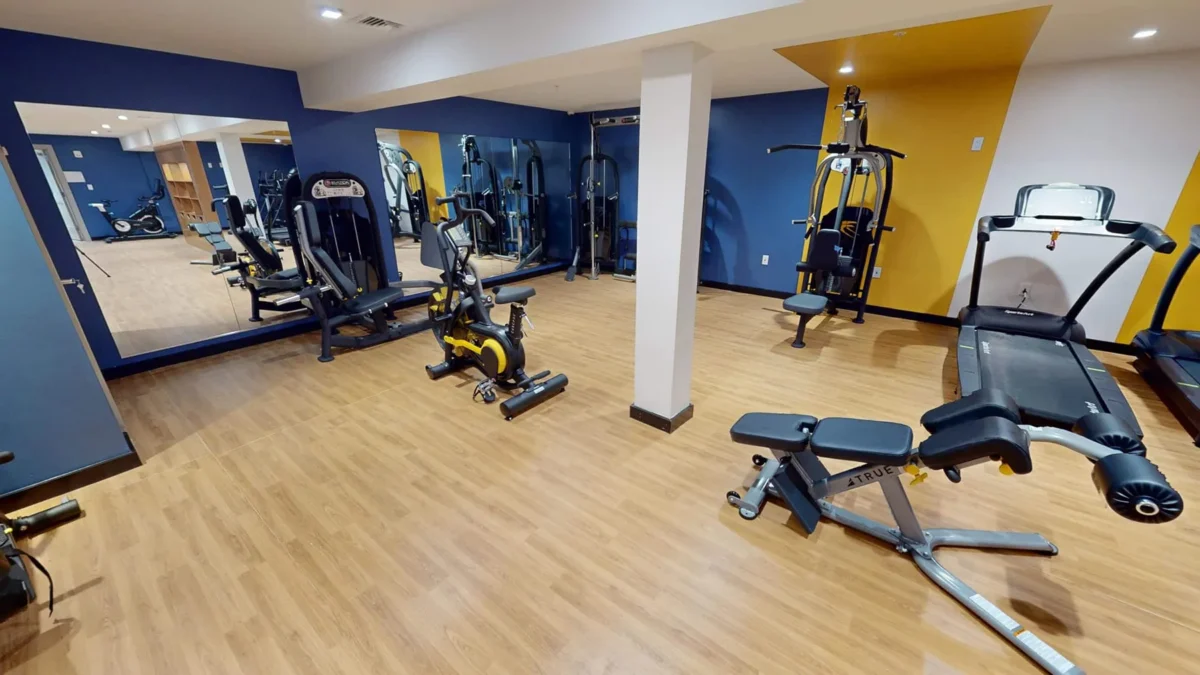





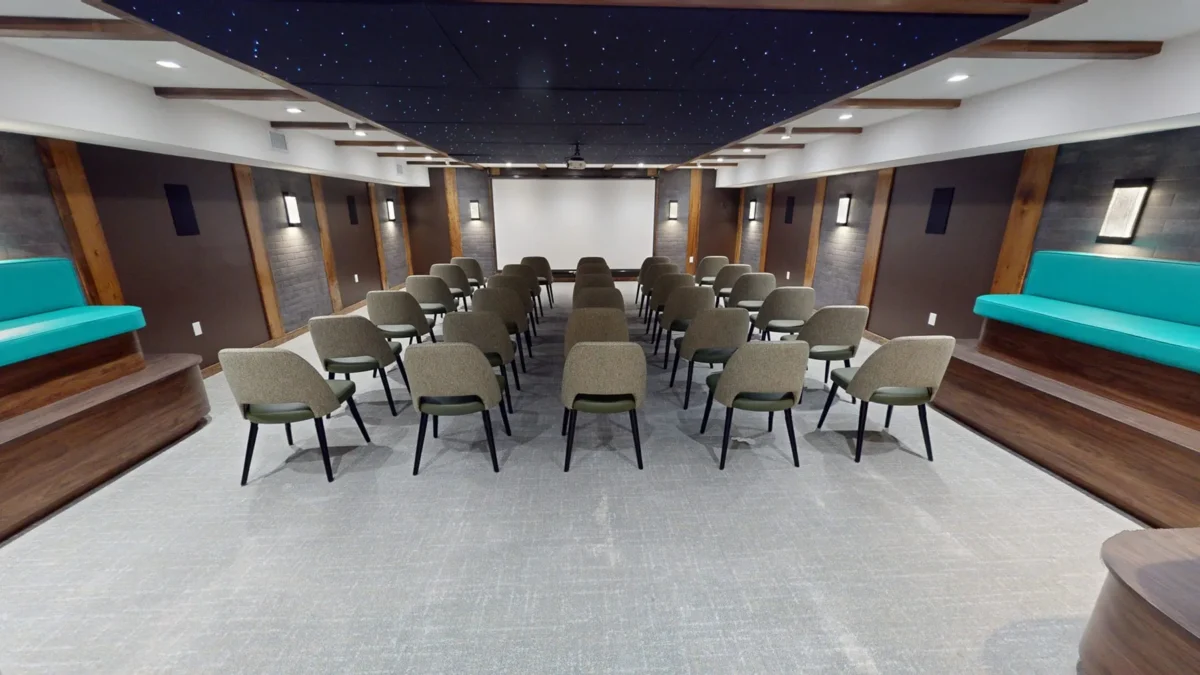
Catskills Retreat with Full Continuum of Care
BriteLife Recovery at Lexington (NY)
2774 NY-42, West Kill, NY 12492
Nestled in the serene Catskill Mountains, BriteLife Recovery at Lexington (NY), our West Kill, New York facility offers a tranquil, supportive setting with state-of-the-art addiction treatment. We combine holistic and evidence-based approaches and tailor programs to each client to support lasting recovery and a comprehensive path to wellness.
Customized Treatment Plans
Holistic Approach
Family Therapy
BriteLife Recovery's Three-Phase Approach to Heroin Treatment
At BriteLife Recovery, we recognize that heroin addiction develops from disconnection—from self, from others, and from meaning. Our comprehensive approach addresses physical dependence alongside the underlying causes through three integrated phases.
Phase 1: Medical Detoxification and Stabilization
Treatment begins with medically supervised detoxification at our facilities in Pennsylvania, New York, and South Carolina. Our medical team provides:
- 24/7 medical monitoring and support
- Medication-assisted detox with FDA-approved medications
- Comprehensive psychiatric evaluation
- Assessment for co-occurring mental health conditions
- Individualized stabilization protocols
- Preparation for transition to residential treatment
Phase 2: Residential Treatment and Root Cause Healing
Following detox, clients transition to our residential heroin rehab program focusing on the root causes of addiction. We treat three essential areas:
Biological Health
We provide medication-assisted treatment integrated with holistic wellness services including yoga, acupuncture, breathwork, sound healing, and nutrition support. Physical healing supports the nervous system's return to balanced functioning.
Mental Health
Individual and group therapy address trauma, internal conflict, and self-understanding through evidence-based approaches:
- Cognitive Behavioral Therapy (CBT)
- Motivational Interviewing
- Acceptance and Commitment Therapy (ACT)
- Trauma-focused therapy
- Shame resilience work
Social Health
Process groups and interpersonal therapy help repair relationships and develop authentic connection skills. Since addiction thrives in isolation, recovery flourishes through community.
Phase 3: Aftercare and Long-Term Recovery Support
Sustainable recovery extends beyond initial treatment. Our comprehensive aftercare includes:
- Individualized discharge planning with clear recommendations
- Connections to outpatient therapy and support groups
- Alumni programming for ongoing connection
- Relapse prevention strategies and crisis planning
- Family education and support resources
What Makes BriteLife's Heroin Treatment Unique
Nature-Informed Therapy
BriteLife integrates certified Nature-Informed Therapy throughout our heroin treatment programs. This innovative approach recognizes that reconnection with the natural world supports healing from addiction. Our Nature-Informed groups include:
- Rewiring the Anxious Brain with Nature in Mind — Understanding stress response and using nature to restore balance
- Positive Neuroplasticity: Growing Inner Resilience Through Nature — Softening the brain's negativity bias through nature connection
- Human Rewilding: Discovering the Self in Nature — Reconnecting with authentic identity
- Radical Acceptance and Letting Go: Lessons from the Trees — Releasing burdens using nature's wisdom
- Making Peace with the Past — Connecting with your younger self through nature reflection
- From Grief to Gratitude: Nature as Companion on the Healing Journey — Walking with grief while allowing beauty to soften sorrow
Adventure Recovery Programming
Our Adventure Recovery program combines mental health awareness with transformative experiential activities:
- Exploring new environments to challenge perceived limitations
- Experiencing awe and embracing beginner's mind
- Practicing embodied learning that integrates body, mind, and spirit
- Processing experiences with clinicians to deepen recovery insights
Comprehensive Group Therapy Programming
Our heroin treatment program includes diverse therapeutic groups:
Process Groups
Focus on here-and-now interactions to heal interpersonal wounds. Since heroin addiction often stems from relational trauma, process groups allow healing through authentic connection.
Specialty Groups
Time-limited groups exploring specific themes:
- Examining feelings and emotional regulation
- Understanding anxiety, anger, and depression patterns
- Family roles and codependency dynamics
- Shame resilience and vulnerability
- Attachment styles and healthy relationships
- Cognitive distortions and thought patterns
Creative Expression Groups
Art, music, writing, and movement provide alternative channels for processing emotions and reconnecting with lost parts of self.
Focus Groups
Psychoeducational sessions covering:
- Neuroscience of addiction and recovery
- How opioids affect the brain
- Strategies to maintain sobriety
- Trigger identification and management
- Mindfulness-based relapse prevention
Holistic Wellness Services
Complementing therapeutic programming, we offer:
- Yoga and breathwork (qigong)
- Acupuncture
- Reiki and massage
- Sound healing and drum circles
- Meditation and mindfulness practices
- Nutrition education and culinary classes
Family Support and Healing
Heroin addiction impacts entire family systems. BriteLife offers:
- Family Therapy Sessions — Individual sessions to repair relationships and foster understanding
- BALM (Be A Loving Mirror) — Free weekly 2-hour virtual sessions based on 12 principles, available to all families
- Family Education — Resources to help loved ones understand addiction and set boundaries
- System-Wide Healing — Recognizing that recovery affects everyone in the family
Insurance Coverage and Access to Treatment
Most insurance plans cover heroin addiction treatment. The Affordable Care Act requires coverage of substance use disorder treatment as an essential health benefit.
BriteLife Recovery works with major insurance providers and can verify your benefits. State-funded programs may be available for those without insurance or with limited resources.
Taking the First Step Toward Recovery
Seeking help for heroin addiction requires courage and self-compassion. Recovery is not only possible—it happens every day for individuals who access appropriate treatment and support.
If you or someone you love is struggling with heroin use, the SAMHSA National Helpline at 1-800-662-HELP (4357) provides free, confidential, 24/7 support. This helpline connects you with local treatment facilities, support groups, and community resources.
At BriteLife Recovery, we provide heroin treatment that honors your dignity and supports your journey toward wholeness. Our compassionate team understands opioid addiction and is ready to walk alongside you as you reclaim your life and restore authentic well-being.
Recovery begins by rebuilding connections—to yourself, to others, and to meaning. Through comprehensive, trauma-informed care, healing becomes possible. Contact BriteLife Recovery today to learn more about our heroin rehab programs in Pennsylvania, New York, South Carolina, and New Jersey.
Ready to Help Your Loved One Find Hope?
When addiction threatens someone you care about, taking action can feel overwhelming. But you don't have to face this moment alone. BriteLife Recovery works alongside families and professional interventionists to create pathways toward healing—offering immediate access to compassionate, evidence-based treatment the moment your loved one is ready.
Our team understands that intervention is just the beginning. From medically supervised detox to residential treatment and beyond, we provide integrated care that addresses the whole person—mind, body, and spirit. With facilities in Pennsylvania, South Carolina, and New York, we're here to support your family through every step of the recovery journey.
Recovery starts with connection. Let us help you take the first step.