
Understanding Cocaine Addiction
 Cocaine is a powerful stimulant drug that creates intense but short-lived feelings of euphoria, increased energy, and mental alertness. The drug works by flooding the brain with dopamine, a neurotransmitter associated with pleasure and reward. This surge of dopamine creates the characteristic "high" that makes cocaine highly addictive.
When someone uses cocaine repeatedly, the brain begins to adapt. According to research published by the National Institute on Drug Abuse (NIDA), chronic cocaine use can alter the brain's reward pathways, making it increasingly difficult to experience pleasure from everyday activities. Over time, individuals may need larger amounts of cocaine to achieve the same effects, leading to physical and psychological dependence.
Signs and Symptoms of Cocaine Use Disorder
Recognizing the signs of cocaine addiction is an important first step toward getting help. Common indicators include strong cravings for the drug, difficulty controlling use despite negative consequences, withdrawal from social activities and relationships, neglecting responsibilities at work or home, continued use despite physical or mental health problems, and needing increasingly larger amounts to feel the same effects.
The Dangers of Cocaine Use
Cocaine poses serious risks to both physical and mental health. The Centers for Disease Control and Prevention (CDC) reports that cocaine-related overdose deaths have risen dramatically in recent years, with nearly 30,000 deaths involving cocaine in 2023 alone. Many of these deaths involved multiple substances, particularly when cocaine was combined with synthetic opioids like fentanyl.
Important Statistics: According to the CDC, cocaine was involved in approximately 28% of all drug overdose deaths in 2023. The rate of cocaine-involved overdose deaths increased by nearly 5% from 2022 to 2023, highlighting the ongoing public health impact of stimulant use.
Beyond the risk of overdose, chronic cocaine use can lead to cardiovascular problems including heart attacks and irregular heartbeat, respiratory issues, cognitive impairment affecting memory and decision-making, increased risk of stroke, mental health challenges including anxiety, depression, and paranoia, and damage to nasal passages (when snorted) or lung tissue (when smoked).
Our Approach to Cocaine Addiction Treatment
At BriteLife Recovery, we deliver evidence-based, strength-oriented, and person-centered care that honors your individual experiences, identity, needs, and goals. We understand that no two recovery journeys are the same, and our clinical approach reflects this understanding.
Medically Supervised Detox
The first phase of cocaine addiction treatment often involves detoxification. While cocaine withdrawal is typically not life-threatening, it can be intensely uncomfortable and emotionally challenging. According to MedlinePlus, common withdrawal symptoms include fatigue, depression, increased appetite, difficulty sleeping, irritability, and intense cravings.
Our medical and nursing teams provide around-the-clock monitoring and support during detox, helping manage withdrawal symptoms and ensuring your comfort and safety. The acute phase of withdrawal typically lasts several days, though some psychological symptoms may persist longer. Our team will develop a personalized detox plan based on your specific needs and health status.
Evidence-Based Behavioral Therapies
Currently, there are no FDA-approved medications specifically for treating cocaine addiction. However, extensive research has demonstrated that behavioral therapies are highly effective. The National Institute on Drug Abuse identifies several evidence-based approaches that form the foundation of cocaine addiction treatment.
Cognitive-Behavioral Therapy (CBT) helps you identify and change thought patterns and behaviors associated with cocaine use. According to NIDA research, CBT teaches skills for recognizing situations that trigger cocaine use, developing strategies for coping with cravings, and building healthier responses to stress. These skills remain valuable long after treatment ends.
Contingency Management uses positive reinforcement to encourage abstinence. NIDA research has shown this approach to be particularly effective for treating stimulant addictions, including cocaine. The program rewards progress and positive behaviors, helping to rebuild the brain's natural reward pathways.
Motivational Enhancement Therapy helps build and strengthen your commitment to change. This approach recognizes that motivation for recovery develops over time and works to enhance your own desire and confidence in achieving lasting sobriety.
Comprehensive Treatment Programming
At BriteLife Recovery, our integrated model of care brings together medical, psychiatric, clinical, and wellness services to support the whole person. Our treatment programs include individual therapy sessions with licensed clinicians, process groups that foster interpersonal healing and connection, specialty groups addressing topics like healthy relationships and codependency, family therapy and education programs, nature-informed therapy groups that reconnect you with the healing power of the natural world, and adventure recovery experiences that build confidence and resilience.
We recognize that trauma and adverse life experiences often underlie the emotional, psychological, and behavioral patterns that bring individuals to treatment. Rather than treating trauma as separate or secondary, we integrate trauma-responsive principles throughout our care, providing a foundation of safety, empowerment, and compassion.
Call 24/7 for Confidential Support – Our admissions specialists are ready to help you take the first step.
Levels of Care for Cocaine Addiction
BriteLife Recovery offers a full continuum of care to meet you where you are in your recovery journey.
Residential Treatment provides a clinically driven program where you reside at our treatment center with structured programming, supervision, and support. This immersive environment allows you to focus entirely on your recovery while developing the skills and connections needed for lasting change.
Partial Hospitalization Program (PHP) offers 20 or more hours of clinical programming weekly, providing intensive treatment while allowing you to gradually reintegrate into daily life. Services typically include group therapy, individual therapy, family therapy, and psychiatric services as needed.
Intensive Outpatient Program (IOP) provides 9-19 hours of weekly programming, designed for those transitioning from more intensive care or for individuals whose circumstances allow them to live at home while participating in treatment.
Outpatient Services support long-term recovery with continued individual and group therapy, helping you maintain the gains you've made and continue building a fulfilling life in recovery.
Why Treatment Works
Research consistently shows that treatment for cocaine addiction is effective. According to SAMHSA's 2022 TEDS report, approximately 55% of individuals discharged from treatment for cocaine use successfully completed their treatment or were transferred to further care. A landmark study published in the National Institutes of Health found that the vast majority of individuals with cocaine dependence will achieve remission at some point in their lives.
Several factors contribute to successful outcomes in cocaine addiction treatment. These include the length of time in treatment (longer engagement generally leads to better outcomes), participation in aftercare and ongoing support, addressing co-occurring mental health conditions, building a strong support network, and commitment to lifestyle changes that support recovery.
Recovery is possible. Research from the Recovery Research Institute indicates that an estimated 29.3 million U.S. adults have resolved a significant substance use problem. You can be one of them.
Dual Diagnosis Treatment
Cocaine addiction frequently co-occurs with other mental health conditions. According to SAMHSA, more than half of individuals with a substance use disorder also experience a mental illness. Common co-occurring conditions include depression, anxiety disorders, post-traumatic stress disorder (PTSD), and bipolar disorder.
At BriteLife Recovery, our comprehensive treatment approach addresses both substance use and mental health conditions simultaneously. This integrated approach recognizes that these conditions often influence one another and that effective treatment must address the full complexity of each person's experience.
Life After Treatment
Recovery doesn't end when formal treatment concludes. At BriteLife Recovery, we help you build sustainable supports that continue beyond discharge. This includes connecting you with fellowship programs and recovery communities, developing an aftercare plan tailored to your needs, alumni services that keep you connected and recovery-focused, and ongoing outpatient support as needed.
Active engagement in a recovery fellowship and continued participation in alumni programming helps maintain the connections that are essential to sustained recovery. We believe that just as disconnection lies at the heart of suffering, connection is essential to healing.
Taking the First Step
Reaching out for help can feel overwhelming, but it is the most important step you can take. Cocaine addiction is a treatable condition, and with the right support, recovery is within reach.
If you're ready to begin your journey toward healing, or if you have questions about our cocaine addiction treatment programs, contact BriteLife Recovery today. Our admissions team is available to answer your questions, verify your insurance, and help you understand your treatment options.
You don't have to face this alone. Let us help you reconnect with yourself, your loved ones, and your sense of purpose. Recovery is not just about stopping cocaine use—it is about restoring whol
Choose the setting that speaks to you




Comprehensive Care, Personalized to You
BriteLife Recovery Pennsylvania
544 Iron Ridge Rd, Hanover, PA 17331
BriteLife Recovery in Hanover, Pennsylvania provides evidence-based detox and residential treatment with one-on-one, individualized care focused on total health and long-term recovery.

Personalized one-on-one care

Evidence-based therapies (CBT, TIC, BALM®, Nature-Informed)

In-network with major insurers

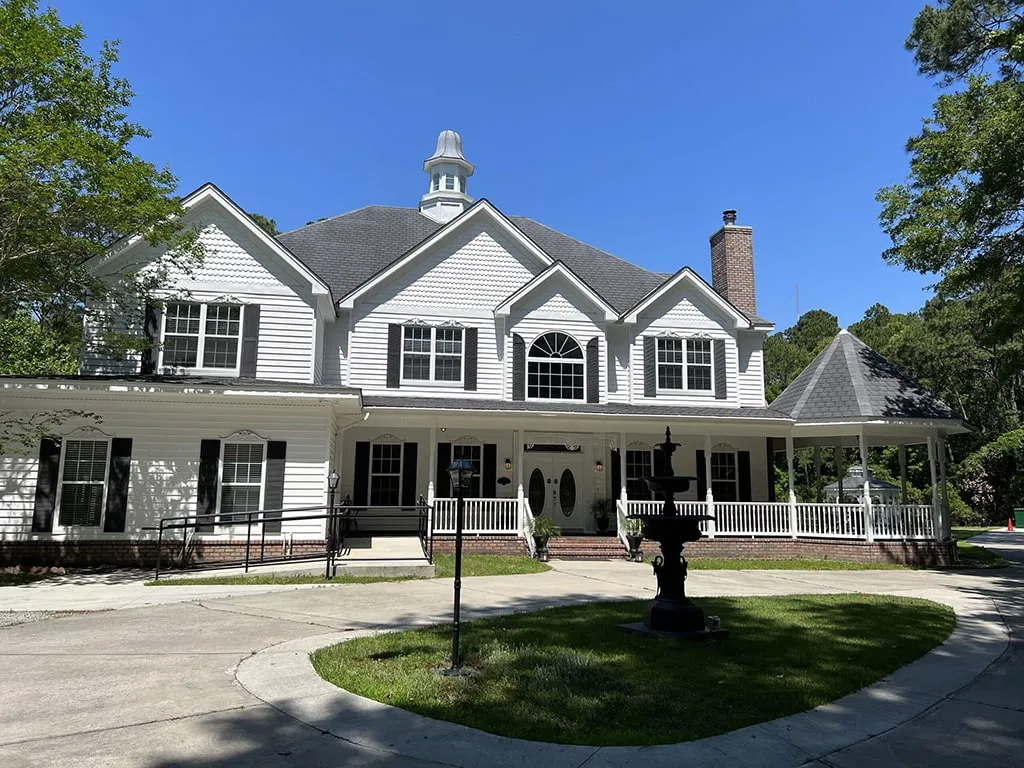

Advanced Treatment with Specialized Women’s Care
BriteLife Recovery South Carolina
2200 Main St, Hilton Head Island, SC 29926
BriteLife Recovery in Hilton Head Island, South Carolina delivers evidence-based detox and residential programs plus a nearby women’s residential program offering gender-specific, trauma-informed care for substance use and co-occurring conditions.
Women’s residential program (Bluffton)
Co-occurring disorder support and MAT

Family therapy and support
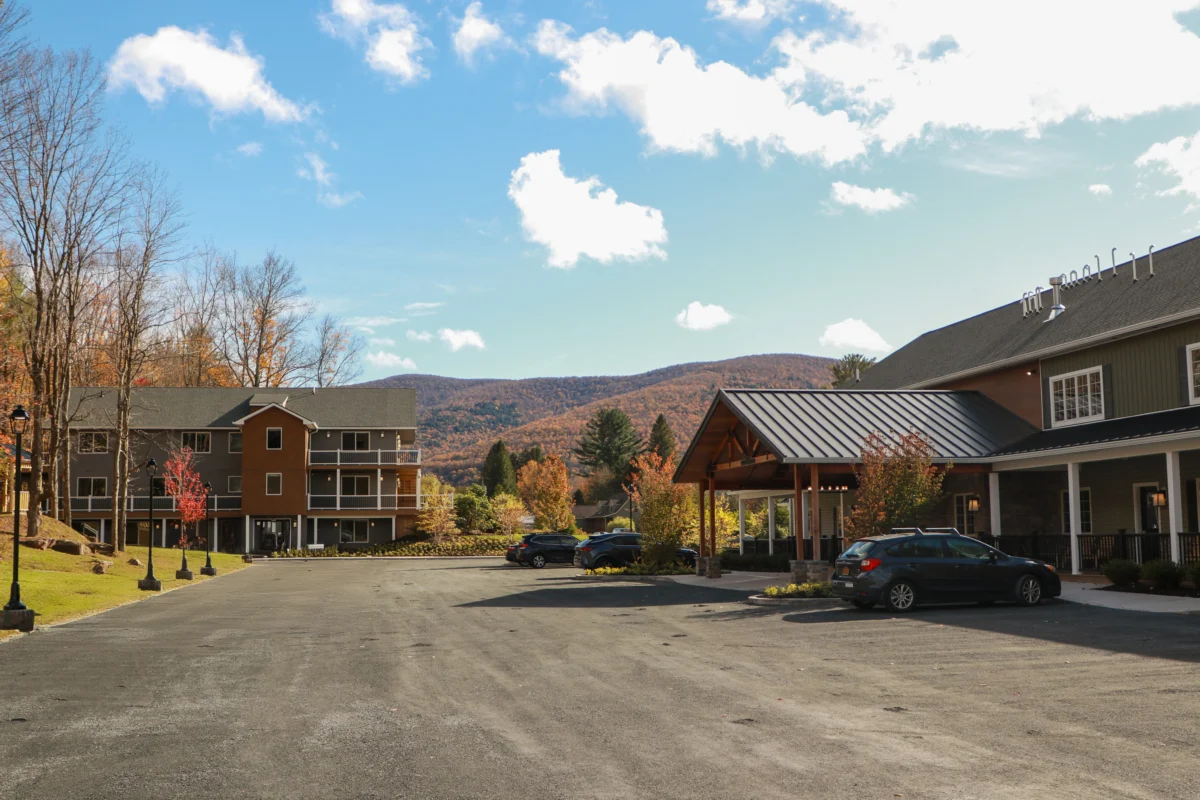
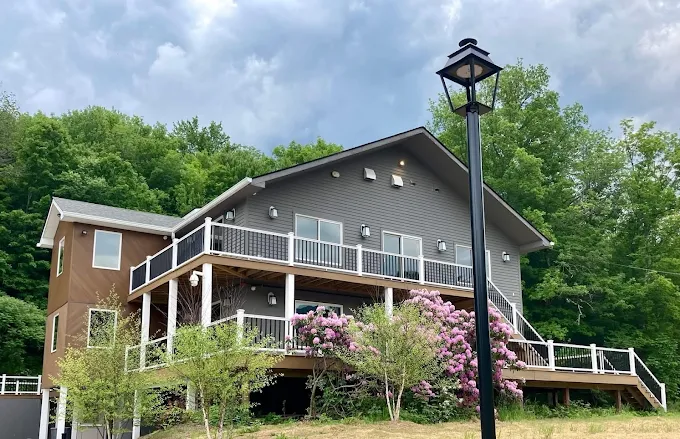







Catskills Retreat with Full Continuum of Care
BriteLife Recovery at Lexington (NY)
2774 NY-42, West Kill, NY 12492
Nestled in the serene Catskill Mountains, BriteLife Recovery at Lexington (NY), our West Kill, New York facility offers a tranquil, supportive setting with state-of-the-art addiction treatment. We combine holistic and evidence-based approaches and tailor programs to each client to support lasting recovery and a comprehensive path to wellness.
Customized Treatment Plans
Holistic Approach
Family Therapy
Ready to Help Your Loved One Find Hope?
When addiction threatens someone you care about, taking action can feel overwhelming. But you don't have to face this moment alone. BriteLife Recovery works alongside families and professional interventionists to create pathways toward healing—offering immediate access to compassionate, evidence-based treatment the moment your loved one is ready.
Our team understands that intervention is just the beginning. From medically supervised detox to residential treatment and beyond, we provide integrated care that addresses the whole person—mind, body, and spirit. With facilities in Pennsylvania, South Carolina, and New York, we're here to support your family through every step of the recovery journey.
Recovery starts with connection. Let us help you take the first step.