
What Is Anxiety?
 Anxiety is the body's natural response to stress or perceived danger—the racing heart before a job interview, the tension before a difficult conversation, the alertness when walking down a dark street. This type of anxiety is normal and even helpful, preparing you to respond to challenges and threats.
An anxiety disorder is different. According to the National Institute of Mental Health (NIMH), anxiety disorders involve more than temporary worry or fear. For people with these conditions, anxiety does not go away, is felt in many situations, and can get worse over time. The symptoms can interfere with daily activities such as job performance, schoolwork, and relationships. In severe cases, a person might feel intense fear in common situations, avoid social encounters, or refuse to leave their home.
Anxiety disorders are not a sign of weakness or a character flaw. Research shows they result from a complex interplay of genetic, biological, environmental, and psychological factors. The good news is that with proper treatment, most people with anxiety disorders can significantly reduce their symptoms and improve their quality of life.
Recognizing the Signs of Anxiety Disorders
Anxiety disorders manifest through a combination of emotional, cognitive, physical, and behavioral symptoms. While everyone experiences anxiety differently, common signs include:
Emotional symptoms: Persistent feelings of dread, fear, or apprehension; feeling "on edge" or keyed up; irritability; a sense that something bad is about to happen; difficulty feeling calm even in safe situations.
Cognitive symptoms: Racing or intrusive thoughts; difficulty concentrating; mind going blank; excessive worry that's difficult to control; catastrophic thinking (assuming the worst will happen); hypervigilance to potential threats.
Physical symptoms: Rapid heartbeat or heart palpitations; shortness of breath; chest tightness; sweating; trembling or shaking; muscle tension; headaches; stomach upset or nausea; dizziness; fatigue; insomnia or restless sleep.
Behavioral symptoms: Avoiding situations that trigger anxiety; seeking constant reassurance; difficulty making decisions; withdrawing from activities or relationships; ritualistic behaviors to reduce anxiety.
If anxiety is causing thoughts of suicide or self-harm, please reach out for help immediately. Call or text the 988 Suicide & Crisis Lifeline or go to your nearest emergency room.
Understanding Types of Anxiety Disorders
The Diagnostic and Statistical Manual of Mental Disorders (DSM-5), published by the American Psychiatric Association, recognizes several distinct anxiety disorders. Understanding which type you're experiencing helps guide effective treatment.
Generalized Anxiety Disorder (GAD) involves persistent, excessive worry about a variety of everyday matters—work, health, family, money, or minor things like being late—that is difficult to control. According to the NIMH, to be diagnosed with GAD, a person must find it difficult to control worry on most days for at least six months and experience symptoms such as restlessness, fatigue, difficulty concentrating, irritability, muscle tension, or sleep problems. GAD affects approximately 6.8 million adults in the United States, yet only about 43% receive treatment.
Panic Disorder is characterized by recurrent, unexpected panic attacks—sudden episodes of intense fear that trigger severe physical reactions including rapid heartbeat, sweating, trembling, shortness of breath, chest pain, and feelings of impending doom. According to the NIMH, panic attacks can occur at any time, even during sleep. People with panic disorder often develop ongoing worry about future attacks and may avoid situations where attacks have occurred. Panic disorder affects about 6 million adults and is twice as common in women as in men.
Social Anxiety Disorder (also called social phobia) involves intense fear of social or performance situations where you might be judged, embarrassed, or humiliated. This goes far beyond ordinary shyness. People with social anxiety may avoid speaking in public, meeting new people, eating in front of others, or everyday interactions like making phone calls. Social anxiety disorder affects approximately 15 million adults and typically begins around age 13. According to the ADAA, 36% of people with social anxiety wait 10 or more years before seeking help.
Specific Phobias involve intense, irrational fear of specific objects or situations—such as heights, flying, animals, blood, or enclosed spaces—that poses little actual danger. The fear leads to avoidance behavior that can significantly interfere with daily life. Specific phobias affect about 19 million adults.
Agoraphobia involves fear of situations where escape might be difficult or help unavailable if panic-like symptoms occur. This often includes open spaces, enclosed spaces, crowds, public transportation, or being outside the home alone. In severe cases, people with agoraphobia may become housebound.
Separation Anxiety Disorder, while often associated with children, can also affect adults. It involves excessive fear about separation from attachment figures—often manifesting as constant worry about harm befalling loved ones, reluctance to leave home, or physical symptoms when separation occurs.
Call 24/7 for Confidential Support – Our admissions specialists are ready to help you take the first step.
Anxiety and Substance Use: A Dangerous Cycle
Anxiety disorders and substance use frequently occur together, each making the other worse. According to the American and Depression Association of America (ADAA), about 20% of people with an anxiety disorder also have an alcohol or substance use disorder, and people with anxiety are two to three times more likely to develop a substance use problem than the general population.
Many people turn to alcohol or drugs to cope with anxiety symptoms—a pattern called self-medication. A drink might temporarily calm racing thoughts; a pill might quiet the physical symptoms of panic. Research published in the journal Depression and Anxiety found that nearly 22% of people with anxiety disorders report using alcohol or drugs to self-medicate their symptoms.
But this relief is temporary and ultimately makes anxiety worse. Alcohol disrupts sleep, depletes neurotransmitters, and can trigger rebound anxiety as it wears off. Stimulants can worsen panic symptoms. And as tolerance develops, more of the substance is needed to achieve the same effect, potentially leading to dependence and addiction.
The cycle often looks like this: anxiety leads to substance use, substance use disrupts brain chemistry and sleep, withdrawal and rebound effects increase anxiety, heightened anxiety leads to more substance use. Breaking this cycle typically requires treatment that addresses both the anxiety disorder and the substance use simultaneously.
At BriteLife Recovery, we understand this connection deeply. Our integrated approach treats anxiety and co-occurring substance use together, recognizing that lasting recovery requires addressing both conditions.
What Is Inpatient Anxiety Treatment?
Inpatient or residential treatment for anxiety is a comprehensive program where you live at a treatment facility while receiving intensive therapeutic care. Unlike outpatient treatment where you attend appointments and return home—often to the same triggers and stressors—residential care removes you from your everyday environment, allowing you to focus completely on recovery.
According to the ADAA, residential treatment centers provide intensive therapy and support for individuals whose anxiety has become severe enough to significantly impair daily functioning. A residential stay typically ranges from 30 to 90 days, during which a multidisciplinary team works with you to develop coping skills, address underlying issues, and build a foundation for long-term management of your anxiety.
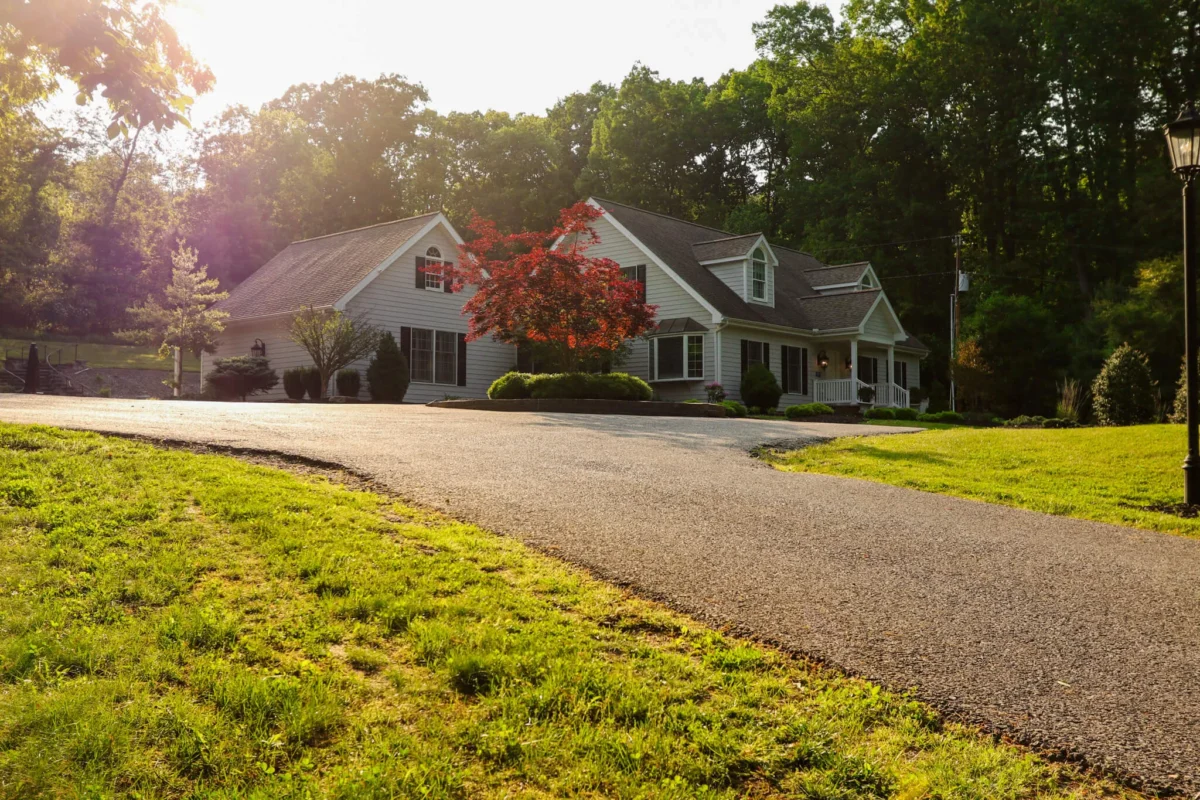
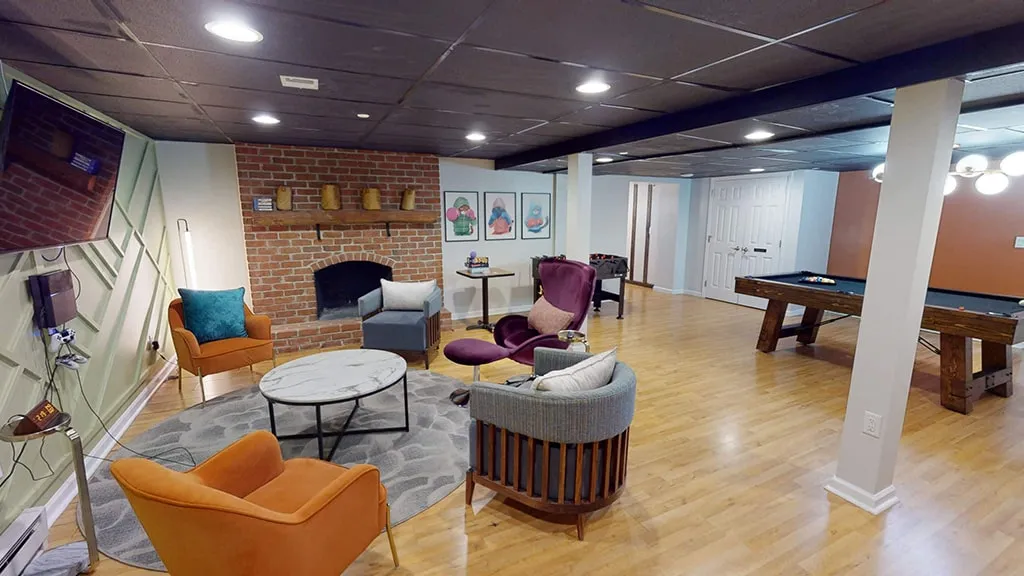
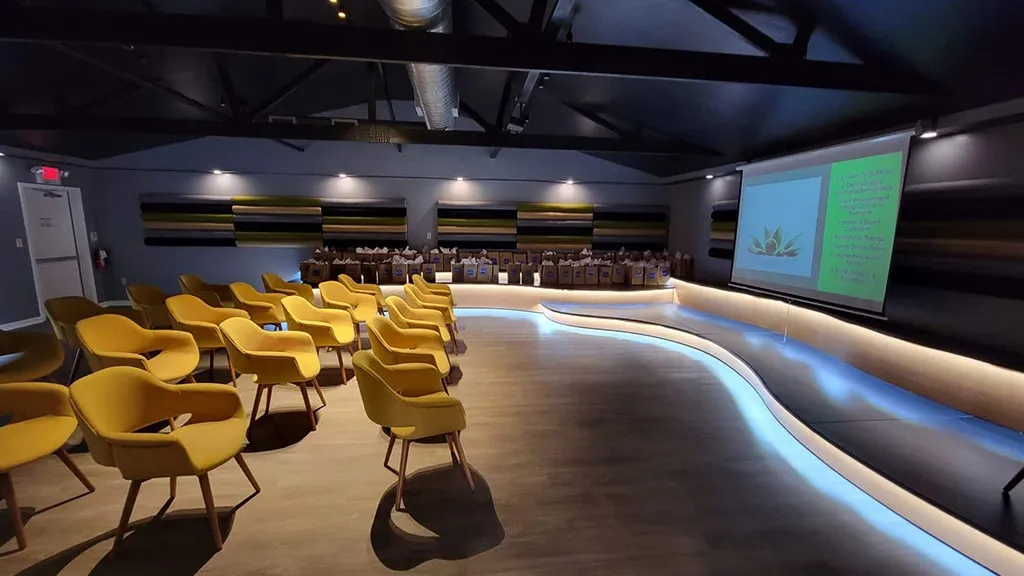
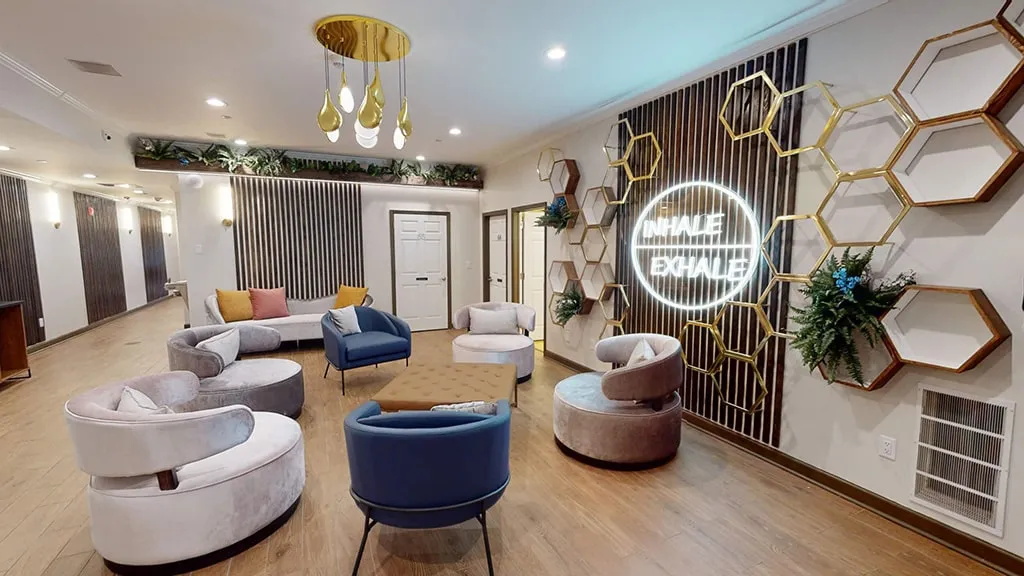
Comprehensive Care, Personalized to You
BriteLife Recovery Pennsylvania
544 Iron Ridge Rd, Hanover, PA 17331
BriteLife Recovery in Hanover, Pennsylvania provides evidence-based detox and residential treatment with one-on-one, individualized care focused on total health and long-term recovery.

Personalized one-on-one care

Evidence-based therapies (CBT, TIC, BALM®, Nature-Informed)

In-network with major insurers
When Is Residential Anxiety Treatment Needed?
Most people with anxiety disorders can be effectively treated through outpatient therapy and medication. However, residential treatment may be the right choice when:
Your anxiety is severely impairing your functioning. If anxiety prevents you from working, attending school, maintaining relationships, or caring for yourself, a higher level of support may be necessary. When you can't leave home, can't be alone, or can't perform basic daily activities due to anxiety, residential treatment provides the structure and support needed to regain functioning.
Outpatient treatment hasn't been effective. If you've tried therapy, medication, or both without adequate improvement, residential treatment offers more intensive and comprehensive care. The immersive environment allows for more frequent therapy sessions, closer medication monitoring, and the opportunity to practice coping skills with 24-hour support.
You have co-occurring substance use. When anxiety and addiction occur together, integrated residential treatment that addresses both conditions simultaneously offers the best chance at lasting recovery.
You have co-occurring mental health conditions. Anxiety commonly occurs alongside depression, trauma, OCD, or other conditions. Residential treatment can address multiple conditions in a coordinated way.
Your environment contributes to your anxiety. Sometimes the people, places, or circumstances in your life fuel anxiety. Residential treatment provides temporary distance from triggering environments while you develop coping skills and create a plan for healthier circumstances.
You need a safe place to adjust medications. Starting or changing anxiety medications can temporarily worsen symptoms or produce difficult side effects. Residential treatment provides close medical monitoring during this process.
Anxiety Is Treatable
Anxiety disorders are among the most treatable mental health conditions. According to the ADAA, the vast majority of people with anxiety disorders can be helped with professional care. Residential treatment isn't about being "too broken" to function—it's about getting intensive support to develop the skills and strategies that will serve you for a lifetime.
What to Expect at BriteLife Recovery
Entering residential treatment can feel anxiety-provoking in itself—which is why we work hard to make the process as supportive and transparent as possible.
Comprehensive Assessment
Your journey begins with a thorough evaluation by our clinical team. Using criteria from the DSM-5, we assess your specific anxiety symptoms, their severity, and how they affect your daily life. We also screen for co-occurring conditions such as depression, trauma, OCD, and substance use disorders, since these often accompany anxiety and require integrated treatment.
Personalized Treatment Plan
Based on your assessment, our multidisciplinary team develops an individualized treatment plan tailored to your specific type of anxiety disorder, your symptoms, your strengths, and your goals. At BriteLife Recovery, we believe there is no one-size-fits-all approach to anxiety treatment. Your plan evolves as you progress, with regular reviews to ensure your care remains responsive to your changing needs.
Structured Daily Programming
Residential treatment provides a structured daily schedule that itself can be therapeutic for anxiety. Predictable routines reduce uncertainty—a major anxiety trigger for many people. Your days include individual therapy, group therapy, psychiatric services, wellness activities, skill-building sessions, and time for rest and reflection.
Evidence-Based Psychotherapy
Our treatment approach integrates multiple evidence-based therapies proven effective for anxiety disorders.
Cognitive Behavioral Therapy (CBT) is considered the gold standard for anxiety treatment. CBT helps you identify the thought patterns that fuel anxiety—such as catastrophizing, overgeneralizing, or mind-reading—and develop more balanced, realistic ways of thinking. You'll also learn behavioral strategies to gradually face feared situations rather than avoid them. According to the NIMH, research shows that the benefits of CBT for anxiety often last longer than medication alone.
Exposure Therapy, often used within CBT, involves gradually and systematically facing feared situations or objects in a safe, controlled way. Through repeated exposure, anxiety decreases as you learn that feared outcomes don't occur or that you can cope with discomfort. Exposure therapy is particularly effective for phobias, social anxiety, and panic disorder.
Dialectical Behavior Therapy (DBT) combines cognitive-behavioral techniques with mindfulness and acceptance strategies. DBT teaches skills for distress tolerance, emotion regulation, and interpersonal effectiveness—all valuable for managing anxiety.
Acceptance and Commitment Therapy (ACT) focuses on accepting anxious thoughts and feelings rather than fighting them, while committing to actions aligned with your values. ACT can help you stop struggling against anxiety and start living a meaningful life despite it.
Group Therapy provides connection with others who understand what you're experiencing. Our groups focus on skill-building, mutual support, and interpersonal learning. For social anxiety in particular, group therapy offers valuable practice in social situations within a supportive environment.
Medication Management
For many people with moderate to severe anxiety, medication is an important component of treatment. Our psychiatric team provides comprehensive evaluation and ongoing medication management.
Selective Serotonin Reuptake Inhibitors (SSRIs) are typically the first-line medication treatment for anxiety disorders. According to the ADAA, SSRIs work by increasing serotonin levels in the brain and are effective for generalized anxiety, panic disorder, social anxiety, and other anxiety conditions. Common SSRIs include sertraline (Zoloft), escitalopram (Lexapro), and paroxetine (Paxil). These medications typically take several weeks to reach full effectiveness.
Serotonin-Norepinephrine Reuptake Inhibitors (SNRIs) such as venlafaxine (Effexor) and duloxetine (Cymbalta) affect both serotonin and norepinephrine and are also effective for anxiety disorders.
Buspirone is a non-addictive medication specifically approved for anxiety that works differently than SSRIs and may be used alone or in combination with other medications.
Benzodiazepines such as alprazolam (Xanax), lorazepam (Ativan), and clonazepam (Klonopin) provide rapid relief of anxiety symptoms. However, according to research from the National Institutes of Health, benzodiazepines carry risks of tolerance, dependence, and withdrawal, and are generally not recommended for long-term use or for people with a history of substance use disorders. When used, they're typically prescribed short-term while waiting for SSRIs to take effect.
In a residential setting, our psychiatrists can monitor your response closely and make medication adjustments more quickly than is typically possible in outpatient care. If you also struggle with substance use, our team is experienced in selecting medications with low abuse potential that are safe for people in recovery.
Holistic and Integrative Approaches
At BriteLife Recovery, we understand that managing anxiety involves more than addressing symptoms—it requires nurturing the whole person. Our integrative wellness services complement clinical treatment by supporting mind, body, and spirit.
Verify Your Insurance in Minutes – Contact us today to check coverage for addiction treatment.
What Makes BriteLife Recovery Different
Many treatment centers address anxiety, but our approach is guided by a philosophy that sets us apart.
Healing Through Connection
We believe anxiety often stems from disconnection—from self, from others, and from a sense of safety in the world. Rather than viewing anxiety as simply a brain chemistry problem to be fixed, we see it as a response of a nervous system doing its best to protect you, often in the absence of adequate support and security. Our treatment focuses on rebuilding connections: helping you understand and befriend your nervous system, fostering authentic relationships with others, and cultivating a sense of safety and groundedness.
Trauma-Responsive Care
Research increasingly shows that trauma and adverse life experiences often underlie anxiety disorders. Many people develop anxiety after experiencing or witnessing frightening events, and the hypervigilance of anxiety can be understood as the nervous system remaining "on guard" against future threats. At BriteLife Recovery, we integrate trauma-responsive principles throughout our care, creating an environment of safety where you can explore the experiences that may have contributed to your anxiety.
Integrated Treatment for Co-Occurring Disorders
Because anxiety so often occurs alongside substance use, depression, or other conditions, we take an integrated approach that addresses the full picture. Our clinicians collaborate across behavioral health and addiction medicine to ensure nothing important is overlooked. When you're struggling with anxiety and alcohol use, or anxiety and depression, you receive coordinated care that treats all conditions together rather than in isolation.
Nature-Informed Therapy
Our innovative Nature-Informed Therapy program harnesses the calming power of nature to support anxiety recovery. Research shows that time in nature reduces cortisol levels, lowers heart rate and blood pressure, and activates the parasympathetic nervous system—the body's "rest and digest" mode that counters anxiety's "fight or flight" response. Through guided nature-based interventions, you'll learn to use the natural world as a resource for grounding and calm.
Skills for a Lifetime
Our goal isn't just to reduce your anxiety while you're with us—it's to equip you with skills and strategies you can use for the rest of your life. You'll learn practical techniques for managing anxious thoughts, calming physical symptoms, facing feared situations, and maintaining progress over time. Recovery from anxiety isn't about never feeling anxious again; it's about knowing you can handle anxiety when it arises.
Individualized Approach
We honor that no two anxiety experiences are the same. Your treatment plan reflects your unique type of anxiety disorder, your triggers, your strengths, and your goals. Our commitment to person-centered care means you're an active participant in your own treatment.
Dignity and Inclusion
We are committed to providing care that is culturally humble and respectful of every individual's dignity, affirming people of all ages, races, genders, sexual orientations, abilities, and spiritual traditions. We strive to create an environment where you can explore your challenges in a space that feels safe, inclusive, and respectful.
The Journey Beyond Residential Care
Completing residential treatment is a significant achievement, but it's the beginning of ongoing anxiety management rather than the end. According to the ADAA, stepping down gradually through lower levels of care helps maintain progress and prevent relapse.
As you prepare to leave residential treatment, our team works with you to create a comprehensive continuing care plan. This may include transitioning to our Partial Hospitalization Program (PHP) or Intensive Outpatient Program (IOP), which provide structured support while you reintegrate into daily life. Your plan also addresses ongoing outpatient therapy, medication management, support groups, and strategies for maintaining the skills you've learned.
Recovery from anxiety is a journey, not a destination. There may be setbacks along the way, and that's normal. What matters is having the tools and support to keep moving forward.
Take the First Step Toward Freedom from Anxiety
If anxiety has taken control of your life—limiting where you can go, what you can do, and who you can be—know that effective treatment is available. Our compassionate admissions team is here to answer your questions, discuss your situation confidentially, and help you determine whether residential treatment is right for you.
You don't have to live in fear. Recovery is possible.
Contact BriteLife Recovery today to learn more about our inpatient anxiety treatment program.
Frequently Asked Questions
How long does residential anxiety treatment last?
The length of stay varies based on individual needs, symptom severity, and treatment response. Most residential stays range from 30 to 90 days. Our clinical team regularly assesses your progress and works with you to determine the appropriate length of stay.
Will being in treatment with other people make my anxiety worse?
It's natural to worry about this, especially if you have social anxiety. Our clinical team is experienced in helping people ease into the community at their own pace. Many people find that being around others who understand their struggles is actually comforting, and group settings provide valuable opportunities to practice social skills with support.
What if I've tried treatment before and it didn't work?
Many people come to residential treatment after other approaches haven't been successful. The intensive nature of residential care—with more frequent therapy sessions, closer medication monitoring, and 24-hour support—often produces results when less intensive treatments haven't. We also offer specialized approaches like Nature-Informed Therapy that you may not have tried before.
What if I'm also struggling with alcohol or drug use?
Co-occurring anxiety and substance use is very common, and our integrated treatment approach addresses both conditions simultaneously. Our team includes specialists in both behavioral health and addiction medicine who coordinate your care.
Is anxiety treatment covered by insurance?
Many insurance plans cover residential mental health treatment. Our admissions team can help verify your benefits and explain your coverage.
What's the difference between inpatient and residential treatment?
The terms are often used interchangeably, though technically inpatient care refers to hospital-based treatment while residential treatment takes place in a non-hospital facility with a more home-like environment. At BriteLife Recovery, our residential program provides 24-hour care and support in a comfortable, therapeutic setting designed for healing.
Ready to Help Your Loved One Find Hope?
When addiction threatens someone you care about, taking action can feel overwhelming. But you don't have to face this moment alone. BriteLife Recovery works alongside families and professional interventionists to create pathways toward healing—offering immediate access to compassionate, evidence-based treatment the moment your loved one is ready.
Recovery starts with connection. Let us help you take the first step.