
Recovery from addiction involves more than stopping substance use—it requires learning new ways of thinking and responding to life's challenges. For decades, cognitive behavioral therapy has helped people understand the connection between their thoughts, emotions, and behaviors, giving them the tools to break free from the cycle of addiction and maintain sobriety long after treatment ends.
What Is Cognitive Behavioral Therapy?
Cognitive behavioral therapy is a form of psychotherapy that focuses on identifying and changing negative thought patterns and behaviors. Originally developed to treat depression, CBT has proven highly effective for a wide range of mental health conditions—including substance use disorders.
The core principle of CBT is straightforward: our thoughts influence our emotions, and our emotions influence our behaviors. When it comes to addiction, this means that certain thought patterns can trigger cravings, lead to substance use, and perpetuate the cycle of addiction. By learning to recognize and change these patterns, individuals gain greater control over their responses to triggers and stressful situations.
According to the National Institute on Drug Abuse (NIDA), cognitive behavioral therapy is an evidence-based approach for treating multiple types of substance use disorders, including alcohol, marijuana, cocaine, methamphetamine, and nicotine addiction.
How CBT Works in Addiction Treatment
CBT for addiction treatment focuses on two essential components: functional analysis and skills training. Together, these elements help individuals understand their substance use patterns and develop healthier ways of coping.
Functional Analysis
In the early stages of CBT, therapists work with clients to examine the thoughts, feelings, and circumstances that lead to substance use. This process—called functional analysis—helps identify specific triggers and the purpose that substances have served in a person's life. Understanding these patterns is the first step toward changing them.
Questions explored might include: What situations make you most likely to use? What thoughts or emotions typically precede substance use? What short-term benefits do you experience from using, and what are the long-term consequences?
Skills Training
Once triggers and patterns are identified, CBT focuses on building practical skills to respond differently. This includes learning to recognize and challenge negative thoughts, developing healthier coping strategies, and practicing new behaviors in real-world situations.
The Evidence for CBT in Addiction Treatment
- A meta-analysis of 34 randomized controlled trials found CBT effective for treating multiple substance use disorders, with moderate overall effect sizes
- 94% of U.S. substance abuse treatment facilities report using CBT as part of their treatment approach
- Research shows CBT effects are durable—skills learned continue to benefit individuals long after treatment ends
- CBT receives a "strong recommendation" as an empirically supported treatment from the American Psychological Association
Core CBT Techniques Used in Addiction Treatment
CBT uses specific, practical techniques to help individuals change their relationship with substances. Here are some of the most effective approaches:
Cognitive Restructuring
This technique helps identify and challenge "automatic negative thoughts" (ANTs) that contribute to substance use—thoughts like "I can't cope without it" or "One drink won't hurt." By examining the evidence for and against these thoughts, clients learn to replace them with more balanced, realistic perspectives.
Trigger Identification and Management
CBT helps individuals recognize the people, places, emotions, and situations that trigger cravings. Once identified, clients develop specific strategies to avoid high-risk situations when possible and cope effectively when avoidance isn't an option.
Coping Skills Development
Clients learn practical skills for managing stress, anxiety, and negative emotions without turning to substances. These may include relaxation techniques, mindfulness exercises, assertive communication, and problem-solving strategies.
Relapse Prevention Planning
A central element of CBT for addiction, relapse prevention helps clients anticipate challenges and develop concrete plans for handling them. This includes identifying warning signs, building support networks, and creating step-by-step strategies for high-risk situations.
Self-Monitoring
Tracking thoughts, emotions, and behaviors helps increase self-awareness and identify patterns that might otherwise go unnoticed. Many CBT programs use journaling or thought records to help clients notice connections between their internal experiences and substance use urges.
What CBT Looks Like in Practice
CBT is typically delivered in structured sessions with a trained therapist, either individually or in group settings. A key feature of CBT is its collaborative approach—you and your therapist work together as a team, with the therapist serving as a guide while you take an active role in your own recovery.
Sessions generally follow a predictable structure that includes reviewing progress since the last session, identifying specific issues to address, learning and practicing new skills, and setting goals for the coming week. This structure provides consistency while remaining flexible enough to address each person's unique needs.
Unlike some forms of therapy that focus primarily on exploring the past, CBT is present-focused and action-oriented. While understanding how patterns developed can be helpful, the emphasis is on developing practical skills you can use right now to manage cravings, cope with triggers, and build a fulfilling life in recovery.
Research Finding: One of the distinguishing features of CBT for addiction is its durability. Studies show that the skills learned in CBT continue to benefit individuals long after treatment ends—in some cases, people show greater improvement in the months following treatment completion, a phenomenon researchers call the "sleeper effect."
CBT for Specific Substances
Research supports CBT's effectiveness across multiple types of substance use disorders, though effect sizes vary by substance. Meta-analyses have found larger treatment effects for cannabis use disorders, followed by treatments for cocaine, opioids, and polysubstance dependence.
The National Institute on Drug Abuse considers CBT an evidence-based approach for treating a range of substance use disorders. CBT was originally adapted for addiction treatment to address cocaine dependence and has since been modified for alcohol, marijuana, opioids, and other substances.
CBT Combined with Other Treatments
While CBT is effective as a standalone treatment, research suggests it may be even more powerful when combined with other evidence-based approaches. At comprehensive treatment centers, CBT is often integrated with:
- Medication-Assisted Treatment (MAT) – For opioid and alcohol use disorders, combining CBT with medications like buprenorphine, naltrexone, or Vivitrol can address both the psychological and physiological aspects of addiction
- Motivational Interviewing – This technique helps build motivation for change and can enhance engagement with CBT, particularly for individuals who are ambivalent about recovery
- Group Therapy – CBT principles can be effectively delivered in group settings, allowing clients to learn from others' experiences and practice skills in a supportive environment
- Contingency Management – Providing tangible rewards for positive behaviors (like clean drug tests) can reinforce the changes being made through CBT
- Family Therapy – Involving loved ones can help create a more supportive environment for recovery and address relationship patterns that may contribute to substance use
Benefits of CBT for Addiction Recovery
Cognitive behavioral therapy offers several advantages that make it particularly well-suited for addiction treatment:
Practical and Skills-Based – CBT provides concrete tools you can use immediately and continue using throughout your recovery. These aren't abstract concepts—they're specific strategies for handling real-life situations.
Evidence-Based – Decades of research support CBT's effectiveness for substance use disorders. Both NIDA and the Veterans Administration recommend CBT as an evidence-based approach for addiction treatment.
Lasting Effects – Unlike some treatments whose benefits fade after completion, research shows that skills learned through CBT persist long after treatment ends, supporting sustained recovery.
Addresses Co-Occurring Conditions – CBT is effective for both addiction and mental health conditions like depression and anxiety, making it particularly valuable for individuals with dual diagnoses.
Empowering – By teaching you to understand and change your own thought patterns, CBT puts you in the driver's seat of your recovery, building confidence and self-efficacy.
Verify Your Insurance in Minutes – Contact us today to check coverage for addiction treatment.
Choose the setting that speaks to you


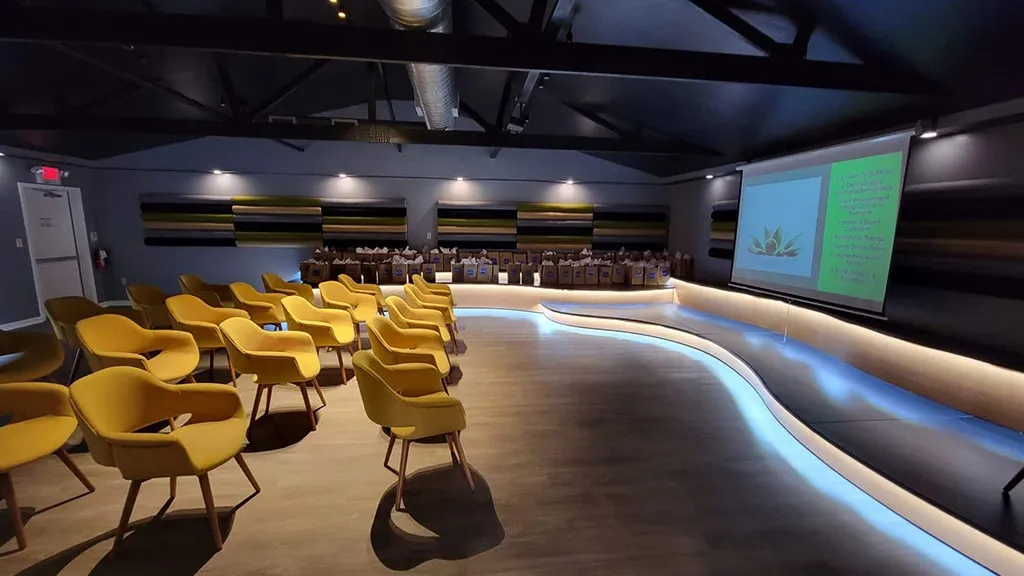

Comprehensive Care, Personalized to You
BriteLife Recovery Pennsylvania
544 Iron Ridge Rd, Hanover, PA 17331
BriteLife Recovery in Hanover, Pennsylvania provides evidence-based detox and residential treatment with one-on-one, individualized care focused on total health and long-term recovery.

Personalized one-on-one care

Evidence-based therapies (CBT, TIC, BALM®, Nature-Informed)
In-network with major insurers

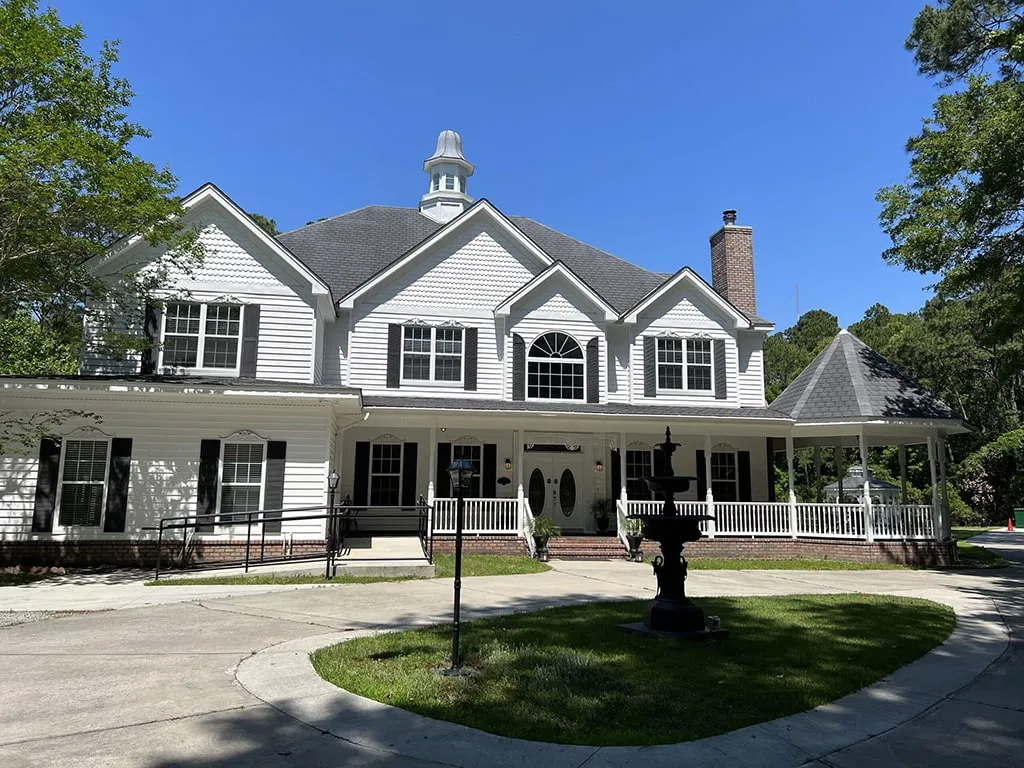

Advanced Treatment with Specialized Women’s Care
BriteLife Recovery South Carolina
2200 Main St, Hilton Head Island, SC 29926
BriteLife Recovery in Hilton Head Island, South Carolina delivers evidence-based detox and residential programs plus a nearby women’s residential program offering gender-specific, trauma-informed care for substance use and co-occurring conditions.
Women’s residential program (Bluffton)
Co-occurring disorder support and MAT

Family therapy and support
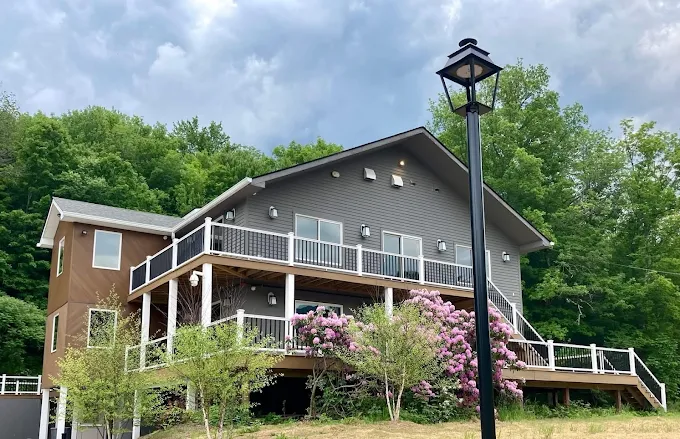





Catskills Retreat with Full Continuum of Care
BriteLife Recovery at Lexington (NY)
2774 NY-42, West Kill, NY 12492
Nestled in the serene Catskill Mountains, BriteLife Recovery at Lexington (NY), our West Kill, New York facility offers a tranquil, supportive setting with state-of-the-art addiction treatment. We combine holistic and evidence-based approaches and tailor programs to each client to support lasting recovery and a comprehensive path to wellness.
Customized Treatment Plans
Holistic Approach
Family Therapy
What to Expect from CBT in Addiction Treatment
If you're considering a treatment program that uses cognitive behavioral therapy, here's what you can typically expect:
Assessment Phase
Treatment begins with a comprehensive evaluation of your substance use patterns, mental health, personal history, and goals for recovery. This information helps tailor CBT to your specific needs.
Education and Skill Building
You'll learn about the connection between thoughts, emotions, and behaviors, and begin developing skills for managing triggers and cravings. This often includes homework assignments to practice new skills between sessions.
Active Practice
CBT is not a passive treatment—you'll be actively involved in identifying your thought patterns, challenging unhelpful beliefs, and practicing new behaviors. The more you engage with the process, the more you'll benefit.
Relapse Prevention
As treatment progresses, the focus shifts toward maintaining gains and preventing relapse. You'll develop a personalized plan for handling high-risk situations and continuing your recovery after formal treatment ends.
Is CBT Right for You?
CBT can be beneficial for most people struggling with substance use disorders. It may be particularly helpful if you:
- Want a practical, skills-based approach to recovery
- Are willing to actively participate in your treatment
- Experience negative thought patterns that contribute to substance use
- Have co-occurring anxiety, depression, or other mental health conditions
- Are looking for strategies that will support long-term recovery
CBT requires active engagement and practice, so it works best for individuals who are motivated to participate in their recovery. That said, even if motivation is mixed, CBT can be combined with motivational enhancement techniques to help build readiness for change.
Begin Your Recovery with Evidence-Based Treatment at BriteLife Recovery
BriteLife Recovery integrates cognitive behavioral therapy into comprehensive addiction treatment programs designed to address the whole person. Our experienced clinical team uses CBT alongside other evidence-based approaches to help you understand the patterns driving your substance use and develop lasting skills for recovery.
We offer residential treatment at our facilities in Pennsylvania (Hanover), New York (West Kill), and South Carolina (Hilton Head Island), plus outpatient services through Summit Helps in New Jersey (Princeton Junction). Call us today to learn how our trauma-informed, connection-focused approach can support your path to lasting recovery.
Ready to begin healing?
BriteLife Recovery offers trauma-informed addiction treatment at our residential facilities in Pennsylvania, New York, and South Carolina, plus outpatient services through Summit Helps in New Jersey.
Our compassionate team understands the connection between trauma and substance use—and we're here to help you rebuild connection to yourself, to others, and to a meaningful life. Call us today to learn how our trauma-informed approach can support your recovery journey.