
Behavioral health services for UPMC Health Plan members, including substance use disorder treatment, are administered through UPMC Addiction Medicine Services (AMS). This specialized division of UPMC Western Behavioral Health provides comprehensive addiction treatment programs with a focus on evidence-based care, medication-assisted treatment, and integrated services for co-occurring mental health conditions.
UPMC Addiction Medicine Services offers a full continuum of care from medical detoxification through outpatient services, with locations throughout western Pennsylvania, central Pennsylvania, and western New York. The program is recognized as a Center of Excellence for opioid use disorders and provides innovative, research-based treatments backed by UPMC's academic medical center resources.
Does UPMC Health Plan Cover Addiction Treatment?
Yes, UPMC Health Plan covers addiction treatment services. Under the Affordable Care Act (ACA), all major health insurance plans must include substance use disorder treatment as an essential health benefit. The Mental Health Parity and Addiction Equity Act (MHPAEA) further requires that behavioral health services receive coverage comparable to medical and surgical benefits.
UPMC Health Plan provides comprehensive behavioral health coverage that includes treatment for addiction to alcohol, opioids, stimulants, sedatives, marijuana, and other substances, as well as behavioral addictions like gambling. Most substance use disorder treatment services require prior authorization to ensure medical necessity and appropriate level of care, though behavioral health emergencies do not require preauthorization.
UPMC Health Plan utilizes the American Society of Addiction Medicine (ASAM) Patient Placement Criteria to determine the appropriate level of care for individuals seeking addiction treatment. This evidence-based assessment tool evaluates multiple dimensions of a person's condition to match them with the most effective treatment setting.
What Addiction Treatment Services Does UPMC Health Plan Cover?
UPMC Health Plan typically covers a comprehensive continuum of addiction treatment services:
Medical Detoxification
Medical detox is often the essential first step for individuals withdrawing from alcohol, opioids, benzodiazepines, or other substances. UPMC Health Plan covers both inpatient and ambulatory (outpatient) detoxification services:
- Inpatient detoxification – Hospital-based medical withdrawal management with 24/7 supervision, medication management, and comprehensive medical monitoring for severe withdrawal symptoms
- Ambulatory detoxification – Outpatient medical withdrawal where you live at home and attend regular clinic visits for medical monitoring, medication administration, and support
- Co-occurring disorder detox – Specialized 24/7 hospital care for individuals with both substance use disorders and mental health conditions requiring simultaneous treatment
UPMC's detoxification services focus on managing withdrawal symptoms safely and comfortably through a combination of proven medications, counseling, and behavioral therapies. The goal is to stabilize your condition and prepare you for continuing treatment.
Inpatient/Residential Treatment
Residential treatment provides intensive, structured care in a therapeutic environment. UPMC Health Plan covers inpatient rehabilitation services including round-the-clock medical and clinical support, individual therapy, group therapy and process groups, evidence-based treatment approaches, psychiatric services, case management, and discharge planning. This level of care is appropriate for individuals who need immersive support, have severe addiction, co-occurring conditions, or require a structured environment for recovery.
Partial Hospitalization Programs (PHP)
PHP offers intensive structured treatment during daytime hours while allowing you to return home in the evenings. UPMC Health Plan covers partial hospitalization as a step-down from residential treatment or as primary treatment for individuals who need significant support but can safely live at home. PHP typically includes several hours of programming five to seven days per week with intensive therapy, medication management, psychiatric services, and skill-building activities.
Intensive Outpatient Programs (IOP)
Intensive outpatient programs provide comprehensive treatment multiple days per week while you continue living at home and maintaining responsibilities. UPMC Health Plan covers IOP services including group therapy, individual counseling, family therapy, relapse prevention education, and medication management. IOP typically involves three hours per day, three days per week, for three to six weeks, though duration varies based on individual needs.
Outpatient Treatment
Standard outpatient services offer ongoing therapeutic support with regular sessions. UPMC Health Plan covers traditional outpatient behavioral health treatment including individual therapy, group therapy, medication management with a psychiatrist, and continuing care services. This level of care helps maintain recovery gains and address ongoing challenges.
Medication-Assisted Treatment (MAT)
UPMC Health Plan covers medications approved by the U.S. Food and Drug Administration (FDA) for treating substance use disorders. Coverage includes:
- Buprenorphine (Suboxone) – For opioid use disorder treatment
- Methadone – Provided through certified opioid treatment programs
- Naltrexone (Vivitrol) – For opioid and alcohol use disorder treatment
- Disulfiram (Antabuse) – For alcohol use disorder
- Acamprosate (Campral) – For alcohol use disorder
MAT combines medication with counseling and behavioral therapies, providing a comprehensive approach that research shows significantly improves outcomes. UPMC Health Plan members, particularly those with Medicaid coverage, have access to UPMC's Center of Excellence for Opioid Use, which provides specialized evidence-based opioid addiction care.
Evidence-Based Therapies
Coverage includes therapeutic approaches proven effective in treating addiction:
- Cognitive Behavioral Therapy (CBT) – Identifies and changes thought patterns contributing to substance use
- Dialectical Behavior Therapy (DBT) – Develops skills for emotional regulation and distress tolerance
- Motivational Interviewing (MI) – Strengthens internal motivation for change
- Trauma-focused therapy – Addresses underlying trauma contributing to addiction
- Individual counseling – One-on-one therapy with licensed clinicians
- Group therapy – Therapeutic processing and peer support
- Family therapy – Involves loved ones in healing and recovery
Dual Diagnosis Treatment
UPMC Health Plan covers integrated treatment for co-occurring mental health and substance use disorders. Approximately half of individuals with substance use disorders also experience mental health conditions such as depression, anxiety, PTSD, bipolar disorder, or other psychiatric conditions. UPMC's treatment approach addresses both conditions simultaneously through coordinated care, which research shows leads to better outcomes and more sustainable recovery.
Specialized Programs
UPMC Health Plan covers access to specialized addiction treatment services including:
- Pregnancy and Women's Recovery Center – Comprehensive care at UPMC Magee-Womens Hospital for pregnant women with opioid use disorders, including behavioral health resources, social support, and medical care
- Adolescent addiction services – Specialized programs for teens and young adults with substance use disorders
- Geriatric addiction services – Treatment tailored to the needs of older adults
- Services for severe mental illness – Integrated care for individuals with bipolar disorder, psychosis, or schizophrenia alongside addiction
Call 24/7 for Confidential Support – Our admissions specialists are ready to help you take the first step.
Choose the setting that speaks to you




Comprehensive Care, Personalized to You
BriteLife Recovery Pennsylvania
544 Iron Ridge Rd, Hanover, PA 17331
BriteLife Recovery in Hanover, Pennsylvania provides evidence-based detox and residential treatment with one-on-one, individualized care focused on total health and long-term recovery.

Personalized one-on-one care

Evidence-based therapies (CBT, TIC, BALM®, Nature-Informed)

In-network with major insurers



Advanced Treatment with Specialized Women’s Care
BriteLife Recovery South Carolina
2200 Main St, Hilton Head Island, SC 29926
BriteLife Recovery in Hilton Head Island, South Carolina delivers evidence-based detox and residential programs plus a nearby women’s residential program offering gender-specific, trauma-informed care for substance use and co-occurring conditions.
Women’s residential program (Bluffton)
Co-occurring disorder support and MAT

Family therapy and support

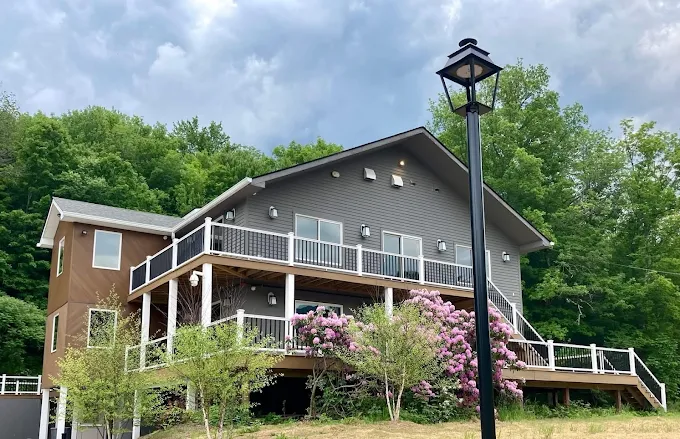







Catskills Retreat with Full Continuum of Care
BriteLife Recovery at Lexington (NY)
2774 NY-42, West Kill, NY 12492
Nestled in the serene Catskill Mountains, BriteLife Recovery at Lexington (NY), our West Kill, New York facility offers a tranquil, supportive setting with state-of-the-art addiction treatment. We combine holistic and evidence-based approaches and tailor programs to each client to support lasting recovery and a comprehensive path to wellness.
Customized Treatment Plans
Holistic Approach
Family Therapy
Types of UPMC Health Plan Coverage
Understanding your specific plan type helps you know what to expect regarding coverage and cost-sharing:
Individual and Family Plans
Plans purchased through the Health Insurance Marketplace or directly from UPMC Health Plan. These ACA-compliant plans include substance use disorder treatment as an essential health benefit. UPMC offers Bronze, Silver, and Gold level marketplace plans with varying cost-sharing structures.
Employer-Sponsored Group Plans
These plans are provided through your employer and typically offer comprehensive behavioral health coverage. UPMC Health Plan offers several group plan types:
- HMO (Health Maintenance Organization) – Requires using UPMC providers and facilities within the network; lower out-of-pocket costs; requires primary care physician referrals for specialty care
- PPO (Preferred Provider Organization) – Allows choice between in-network and out-of-network providers; higher costs for out-of-network care; no referral requirements
- EPO (Exclusive Provider Organization) – Provides coverage only for in-network providers except in emergencies
UPMC for Life (Medicare Advantage)
Medicare Advantage plans managed by UPMC that provide comprehensive coverage including behavioral health services, prescription drugs, and additional benefits. UPMC for Life Complete Care (HMO D-SNP) plans offer $0 copays for behavioral health office visits and prescription medications for dual-eligible members.
UPMC for You (Medicaid)
Medicaid managed care plans that provide comprehensive coverage including substance use disorder treatment, prescription drugs, dental, and vision care. These plans serve eligible low-income individuals and families in Pennsylvania. Members have access to UPMC's Center of Excellence for Opioid Use with walk-in and scheduled appointments available.
UPMC for Kids (CHIP)
Children's Health Insurance Program coverage for eligible children and teens, including comprehensive behavioral health and substance use disorder treatment services.
Understanding Your Coverage Costs
Your out-of-pocket costs for addiction treatment depend on your specific UPMC Health Plan. Common cost-sharing components include:
Deductibles
The amount you pay out-of-pocket before insurance coverage begins. Deductible amounts vary by plan but typically range from several hundred to several thousand dollars.
Co-Payments
Fixed amounts you pay for specific services. Many UPMC Health Plan marketplace plans offer $0 copays for all behavioral health office visits, making treatment more accessible. Other plans may require co-payments ranging from $20 to $50 per visit depending on the service type and provider.
Co-Insurance
After meeting your deductible, you may pay a percentage of treatment costs while UPMC covers the remainder. Co-insurance rates vary by plan level and whether providers are in-network or out-of-network.
Out-of-Pocket Maximum
The maximum amount you'll pay in a plan year for covered services. Once you reach this limit, UPMC Health Plan covers 100% of covered services for the remainder of the plan year.
In-Network vs. Out-of-Network Coverage
Using in-network providers significantly reduces your costs. UPMC's extensive network includes UPMC-owned facilities and contracted providers throughout Pennsylvania, Ohio, West Virginia, and Maryland. Out-of-network care typically involves higher out-of-pocket costs and may not be covered at all under some plans. PPO plans provide some out-of-network coverage at higher cost-sharing rates.
Does UPMC Health Plan Require Prior Authorization?
Yes, most UPMC Health Plan policies require precertification (prior authorization) for substance use disorder treatment services. Precertification is the process where your treatment provider submits clinical information to UPMC Health Plan's Behavioral Health Services for approval before you begin care.
Services requiring precertification typically include:
- Inpatient detoxification
- Residential treatment
- Partial hospitalization programs
- Intensive outpatient programs
- Outpatient treatment (depending on plan)
Behavioral health emergencies do not require preauthorization. A behavioral health emergency includes situations requiring immediate care for life-threatening conditions such as alcohol poisoning, drug overdose, suicidal ideation, or substance-related violence.
The authorization process typically involves:
- Your treatment facility completing a comprehensive clinical assessment
- Submission of precertification request to UPMC Health Plan Behavioral Health Services at 1-866-441-4185
- Review by UPMC's clinical team using ASAM Criteria and medical necessity guidelines
- Approval for an initial treatment episode
- Ongoing utilization reviews to assess progress and continued medical necessity
- Coordination with case managers available 24/7 to discuss criteria and authorizations
At BriteLife Recovery, our admissions and clinical teams handle the prior authorization process for you. We work directly with UPMC Health Plan to verify coverage, obtain necessary approvals, submit ongoing utilization review documentation, and coordinate continuing care. Our experience working with UPMC allows us to navigate the authorization process efficiently.
How to Verify Your UPMC Health Plan Coverage
Before beginning treatment, verifying your specific coverage helps you understand what to expect financially and ensures smooth access to care. Here's how to check your UPMC Health Plan benefits:
- Review your insurance card – Your UPMC Health Plan ID card includes important information including member ID, group number, and customer service phone numbers
- Call Member Services – Use the phone number on your insurance card to speak with a representative about your behavioral health coverage
- Use the UPMC Health Plan website – Log into the member portal at member.upmchp.com to access your benefits information and find providers
- Download the UPMC Health Plan mobile app – Access coverage details, find providers, and manage your care on your phone
- Use the Provider Directory – Search for behavioral health providers and facilities that accept UPMC Health Plan
- Contact Health Care Concierge team – Get personalized assistance understanding your coverage and navigating benefits
- Call UPMC Addiction Medicine Services – Contact AMS directly at 412-692-2273 (CARE) for information about treatment programs and coverage
- Contact BriteLife Recovery – Our admissions specialists can verify your coverage at no cost, explaining your benefits clearly
Essential questions to ask when verifying coverage:
- What levels of care are covered (detox, residential, PHP, IOP, outpatient)?
- Is prior authorization required? What's the process?
- What are my deductible, co-payments, co-insurance, and out-of-pocket maximum?
- Is BriteLife Recovery an in-network provider with UPMC Health Plan?
- Are there session limits or treatment duration restrictions?
- Does my plan cover medication-assisted treatment and ongoing medications?
- Is family therapy covered?
- What documentation is required for authorization?
- Are there specific authorization procedures I need to follow?
Verify Your Insurance in Minutes – Contact us today to check coverage for addiction treatment.
BriteLife Recovery Accepts UPMC Health Plan Insurance
At BriteLife Recovery, we accept UPMC Health Plan insurance at our treatment facility in Pennsylvania. Located in Hanover, Pennsylvania, our facility is well-positioned to serve UPMC Health Plan members from western and central Pennsylvania. We provide comprehensive addiction treatment grounded in the understanding that substance use disorders arise from disconnection—from self, from others, and from meaning.
Our Evidence-Based Treatment Approach
We offer person-centered care that honors your unique experiences, needs, and recovery goals. Our integrated treatment model combines medical, psychiatric, clinical, and wellness services:
- Medical detoxification with 24/7 medical supervision, medication management, and comfort-focused care
- Residential treatment in therapeutic, home-like environments promoting healing and growth
- Individual therapy with experienced, licensed clinicians trained in evidence-based approaches
- Process-based group therapy addressing interpersonal patterns and authentic connection
- Nature-Informed Therapy (NIT) integrating the healing power of nature with therapeutic practices
- Medication-assisted treatment including Suboxone, naltrexone, and Vivitrol
- Dual diagnosis treatment for co-occurring mental health conditions with integrated psychiatric care
- Family programming including BALM (Be A Loving Mirror) support groups
- Holistic wellness services such as yoga, acupuncture, and mindfulness practices
- Comprehensive discharge planning with continuing care coordination
Pennsylvania Location (Hanover)
Our Pennsylvania facility offers comprehensive detox and residential services with robust psychiatric care, including access to psychiatrists and psychiatric nurse practitioners. We provide diverse therapeutic programming with strong clinical oversight in a supportive environment. Located in Hanover, we're accessible to UPMC Health Plan members throughout Pennsylvania.
Mental Health Parity Protections
The Mental Health Parity and Addiction Equity Act provides critical protections ensuring substance use disorder treatment receives equitable coverage. Under these protections, UPMC Health Plan must ensure that:
- Financial requirements (deductibles, co-pays, co-insurance) for behavioral health services are no more restrictive than those for medical/surgical benefits
- Treatment limitations (visit limits, authorization requirements) are no more restrictive than those for medical/surgical benefits
- Medical necessity criteria are based on generally accepted standards like ASAM Criteria
- Utilization management decisions are based on appropriateness of care, not financial incentives
- Network adequacy for behavioral health providers meets the same standards as medical providers
UPMC Health Plan's policy explicitly states that utilization management decisions are based on appropriateness of care and existence of coverage, and that practitioners involved in utilization management are not rewarded for issuing denials.
What If UPMC Health Plan Denies Coverage?
If UPMC Health Plan denies coverage for addiction treatment or limits your care, you have the right to appeal the decision. Denials can occur for various reasons, but many can be successfully overturned through the appeals process.
Steps to Appeal a Denial
- Request written explanation – Ask UPMC Health Plan for detailed reasons for the denial
- Review your plan documents – Check your Evidence of Coverage to understand your benefits and appeals rights
- Gather supporting documentation – Collect clinical assessments, ASAM evaluations, and treatment recommendations
- Submit a formal appeal – File within the specified timeframe with all supporting documentation
- Request expedited review if appropriate – For urgent situations requiring immediate care
- Seek professional assistance – Your treatment provider, patient advocates, or legal services can help navigate appeals
- File parity complaints if appropriate – If denial violates mental health parity laws, file complaints with the Pennsylvania Insurance Department and the U.S. Department of Labor
Employment Protections During Treatment
The Family and Medical Leave Act (FMLA) provides important protections for eligible employees seeking addiction treatment:
- Up to 12 weeks of unpaid, job-protected leave for substance use disorder treatment
- Continuation of health insurance coverage during FMLA leave, including your UPMC Health Plan benefits
- Restoration to the same or equivalent position upon return
- Protection from retaliation for taking medical leave
- Ability to take leave intermittently for ongoing treatment needs
Additional UPMC Health Plan Resources
UPMC Health Plan provides several resources specifically for substance use support:
- UPMC Addiction Medicine Services – Call 412-692-2273 (CARE) for treatment information and assessment scheduling
- UPMC Center of Excellence for Opioid Use – Walk-in and scheduled appointments for Medicaid members at 3501 Forbes Ave., Suite 860, Pittsburgh, PA 15213
- Health Care Concierge team – Personalized assistance navigating coverage and benefits
- LifeSolutions Employee Assistance Program – 24/7 support and resources for work-life balance
- Behavioral Health Management Program – Education on using treatment resources effectively
- Beating the Blues US™ – Online tool for mood improvement and stress management
Next Steps: Getting Started with Treatment
If you're ready to explore addiction treatment using your UPMC Health Plan insurance, BriteLife Recovery makes the process straightforward:
- Contact us – Call our admissions team 24/7 or reach out through our website
- Insurance verification – We verify your UPMC Health Plan coverage at no cost
- Clinical assessment – Our team conducts a confidential assessment to recommend appropriate care
- Prior authorization – We handle all precertification requirements with UPMC Health Plan
- Admission coordination – We arrange your admission and answer all questions
- Begin treatment – You start your recovery journey with comprehensive, compassionate care
- Ongoing authorization management – Our clinical team manages utilization reviews throughout treatment
Frequently Asked Questions
How long does UPMC Health Plan typically authorize for residential treatment?
Authorization lengths vary based on clinical assessment using ASAM Criteria. Initial approvals are followed by ongoing utilization reviews to determine continued medical necessity. Your treatment team advocates for the length of stay clinically indicated for your recovery.
Does UPMC Health Plan cover family therapy?
Yes, most UPMC Health Plan policies include coverage for family therapy as part of substance use disorder treatment when clinically appropriate.
Can I use UPMC Health Plan insurance at BriteLife Recovery?
Contact our admissions team to verify your specific coverage for BriteLife Recovery's Pennsylvania location. We'll check your benefits and explain what's covered under your plan.
Does UPMC Health Plan cover medications for addiction treatment?
Yes, UPMC Health Plan covers FDA-approved medications for substance use disorder treatment, including Suboxone, naltrexone, Vivitrol, and methadone through certified programs.
What if I need treatment outside Pennsylvania?
UPMC Health Plan has extended network coverage through partnerships with Cigna PPO and SuperMed PPO networks for members outside the primary service area. However, coverage details vary by plan, so verify benefits before seeking out-of-area treatment.
Conclusion
UPMC Health Plan provides comprehensive coverage for addiction treatment services through its extensive network and specialized Addiction Medicine Services division. As an integrated healthcare delivery and financing system, UPMC offers coordinated care that combines insurance coverage with high-quality treatment programs.
Understanding your coverage, working with experienced treatment providers like BriteLife Recovery, and utilizing available resources ensures you can access the care needed for lasting recovery. If you or someone you care about is struggling with substance use, reaching out for help is the most important step. Your UPMC Health Plan benefits exist to support this journey toward healing.
Ready to Help Your Loved One Find Hope?
When addiction threatens someone you care about, taking action can feel overwhelming. But you don't have to face this moment alone. BriteLife Recovery works alongside families and professional interventionists to create pathways toward healing—offering immediate access to compassionate, evidence-based treatment the moment your loved one is ready.
Our team understands that intervention is just the beginning. From medically supervised detox to residential treatment and beyond, we provide integrated care that addresses the whole person—mind, body, and spirit. With facilities in Pennsylvania, South Carolina, and New York, we're here to support your family through every step of the recovery journey.
Recovery starts with connection. Let us help you take the first step.