Fentanyl Addiction: The Road to Recovery
January 1, 1970
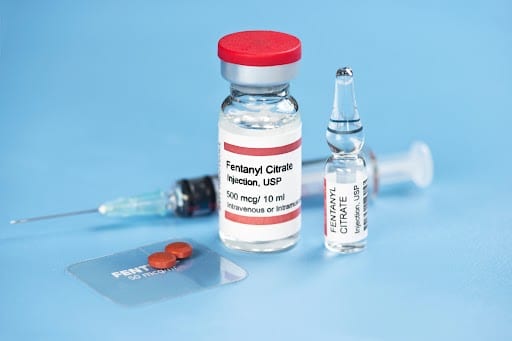
Fentanyl, a potent synthetic opioid originally intended to manage severe pain, has emerged as a menacing force in the ongoing opioid crisis. This drug, notorious for its strength, is 50 to 100 times more powerful than morphine, making it highly addictive, especially when misused or taken outside medical supervision. In recent years, fentanyl has played a central role in the escalating opioid epidemic, with significant quantities flooding into the United States from Mexico and China. This blog delves into the critical aspects of fentanyl addiction, its devastating consequences, and the path to recovery.
Fentanyl: The Stealthy Adversary
Fentanyl operates discreetly, attaching itself to opioid receptors in the brain, much like its opioid counterparts. With prolonged usage, the brain undergoes significant adjustments, impairing its ability to produce natural neurotransmitters. Consequently, experiencing pleasure without fentanyl becomes increasingly challenging, setting the stage for an insidious cycle of escalating doses to maintain a semblance of normalcy.BriteLife's Comprehensive Fentanyl Addiction Programs At BriteLife Recovery, we understand the dire urgency of fentanyl addiction. Our Hilton Head Island, SC, and Hanover, PA, treatment programs offer a comprehensive continuum of care, commencing with a vital first step - detoxification. During this crucial phase, clients receive state-of-the-art addiction medications and round-the-clock monitoring by our dedicated medical team. Once detox is successfully completed, clients transition into our specialized addiction therapy programs.
Signs of Fentanyl Addiction
Recognizing fentanyl addiction can be challenging, especially when the drug was initially prescribed for legitimate pain management. Addiction can manifest through both physical and behavioral indicators, such as:
- Intense Cravings: A compelling urge for fentanyl.
- Persistent Exhaustion: An unrelenting feeling of fatigue.
- Unintended Weight Loss: Noticeable and unintentional weight reduction.
- Restlessness: A constant sense of unease.
- Flu-Like Symptoms: Symptoms resembling the flu.
- Poor Personal Hygiene: Neglect of personal cleanliness.
- Social Isolation: Withdrawal from social interactions.
- Dishonesty and Theft: Engaging in deceptive behavior.
- Financial Issues: Struggles with money management.
Fentanyl Withdrawal and Side Effects
Attempting to quit fentanyl often leads to challenging withdrawal symptoms, including:
- Muscle Strain: Physical discomfort and muscle tension.
- Vomiting and Diarrhea: Gastrointestinal distress.
- Cold Perspiration: Profuse sweating.
- Insomnia: Sleep disturbances.
- Restless Legs: An irresistible urge to move one's legs.
- Overpowering Cravings: Persistent and overwhelming desires for fentanyl.
Due to the severity of fentanyl withdrawal symptoms, many individuals find it nearly impossible to quit without medical intervention. The Food and Drug Administration (FDA) has approved several medications to ease opioid withdrawal, including methadone, Suboxone, Buprenorphine, and Naltrexone.Medication Assisted Treatment (MAT) for Fentanyl Medication Assisted Treatment (MAT) represents a doctor-supervised approach to treating opioid use disorder (OUD), including fentanyl addiction. Extensive research consistently highlights MAT as the most effective method, surpassing traditional talk therapy alone. At BriteLife, we embrace MAT with a unique approach that integrates doctor-dispensed medication and intensive psychotherapy. This comprehensive strategy aligns with each client's distinct needs, considering their drug history and overall health.Conclusion: Seeking a Brighter Future Fentanyl addiction is a formidable adversary, but recovery is both possible and within reach. If you or a loved one grapples with fentanyl addiction and aspires to break free, BriteLife stands ready to guide you on this transformative journey. Our dedicated addiction specialists are available 24/7 to provide confidential assistance, offering hope, support, and the promise of a brighter, addiction-free future. Call us at 866-470-1464 to start your journey to recovery.