
For many people struggling with addiction, substance use didn't begin in a vacuum. Research consistently shows that trauma and chronic stress play a significant role in the development of substance use disorders. Understanding this connection has transformed how effective treatment programs approach recovery—shifting from simply addressing symptoms to healing the underlying wounds that drive addictive behaviors.
Trauma-informed addiction treatment recognizes that lasting recovery requires more than detox and abstinence. It requires creating environments where individuals feel safe enough to explore and process the experiences that contributed to their substance use in the first place.
What Is Trauma-Informed Care in Addiction Treatment?
Trauma-informed care (TIC) is an approach to treatment that recognizes the widespread impact of trauma and understands potential pathways for recovery. Rather than asking "What's wrong with you?", trauma-informed programs ask "What happened to you?"—a fundamental shift that removes shame and creates space for genuine healing.
According to the Substance Abuse and Mental Health Services Administration (SAMHSA), a trauma-informed approach is guided by six key principles:
- Safety – Ensuring clients feel physically and psychologically secure throughout treatment
- Trustworthiness and Transparency – Building trust through clear communication and consistent follow-through
- Peer Support – Using shared experiences to foster hope, connection, and recovery
- Collaboration and Mutuality – Partnering with clients rather than directing them
- Empowerment, Voice, and Choice – Prioritizing client autonomy and self-determination
- Cultural, Historical, and Gender Responsiveness – Addressing individual backgrounds and experiences with sensitivity
At BriteLife Recovery, these principles are woven into every aspect of care—from the design of our physical spaces to the way our clinical team interacts with each person who walks through our doors.
The Connection Between Trauma and Addiction
The relationship between trauma and substance use disorders is well-documented. Research indicates that up to 90% of individuals seeking help for substance use disorders report prior trauma. This connection isn't coincidental—it reflects the brain's attempt to cope with overwhelming experiences.
Understanding Adverse Childhood Experiences (ACEs)
The landmark CDC-Kaiser ACE Study revealed powerful connections between childhood trauma and later health outcomes:
- Three in four high school students report experiencing at least one adverse childhood experience
- Individuals with four or more ACEs face significantly higher risks of developing substance use disorders
- Preventing ACEs could reduce prescription pain medication misuse by as much as 84%
- Research shows that approximately 85% of patients in behavioral health settings report at least one ACE
Trauma affects the brain's stress response systems, often leaving individuals in a state of heightened alertness or emotional dysregulation. Substances can temporarily provide relief from these uncomfortable states—numbing painful memories, reducing anxiety, or helping someone feel "normal." Over time, however, this coping mechanism becomes its own problem, creating a cycle that feels impossible to break without addressing the underlying trauma.
How Trauma-Informed Treatment Differs from Traditional Approaches
Traditional addiction treatment often focused primarily on stopping substance use and maintaining abstinence. While these goals remain important, trauma-informed programs recognize that sustainable recovery requires a more comprehensive approach.
Key Differences Include:
Understanding Behaviors as Adaptations – Rather than viewing problematic behaviors as character flaws or moral failures, trauma-informed care recognizes them as survival strategies developed in response to overwhelming circumstances. This perspective reduces shame and opens pathways to healthier coping mechanisms.
Prioritizing Safety and Trust – Trauma often involves violations of trust and safety. Effective treatment must first establish a foundation of security before deeper therapeutic work can begin. This means creating predictable environments, maintaining clear boundaries, and ensuring clients feel in control of their treatment.
Avoiding Re-traumatization – Well-intentioned practices can inadvertently trigger trauma responses. Trauma-informed programs carefully evaluate policies, procedures, and physical environments to minimize the risk of re-traumatization. This includes everything from intake processes to the language staff members use.
Integrating Mind-Body Approaches – Because trauma is stored not just in the mind but also in the body, effective treatment often incorporates somatic therapies, mindfulness practices, and nervous system regulation techniques alongside traditional talk therapy.
Evidence-Based Therapies in Trauma-Informed Addiction Treatment
Modern trauma-informed addiction programs integrate multiple therapeutic approaches to address the complex interplay between trauma and substance use.
Cognitive Behavioral Therapy (CBT)
CBT helps individuals identify and change thought patterns and behaviors that contribute to substance use. When applied through a trauma-informed lens, CBT also addresses how traumatic experiences have shaped beliefs about oneself, others, and the world.
Seeking Safety
Developed specifically for individuals with co-occurring trauma and substance use disorders, Seeking Safety focuses on building coping skills and establishing safety before processing traumatic memories. This evidence-based approach recognizes that stabilization must come before deeper trauma work.
Mindfulness-Based Interventions
Mindfulness practices help individuals develop awareness of their thoughts, emotions, and bodily sensations without judgment. This increased awareness supports better emotional regulation and reduces the automatic reach for substances when triggered.
Research Finding: A 2024 study examining trauma-informed care in residential treatment found significant reductions in substance involvement, depression, anxiety, and PTSD symptoms among participants. Staff implementing the model also reported high levels of support and professional satisfaction.
The Role of Connection in Trauma Recovery
At the heart of trauma-informed addiction treatment is a fundamental truth: healing happens through connection. Trauma often involves experiences of isolation, betrayal, or disconnection from others. Recovery, therefore, requires rebuilding the capacity for safe, meaningful relationships.
BriteLife Recovery's approach is built on the understanding that addiction itself stems from disconnection—from self, from others, and from a sense of meaning or purpose. Our trauma-responsive programming creates opportunities for clients to experience corrective relational experiences within the safety of the therapeutic community.
This includes:
- Process Groups – Facilitated group therapy that focuses on interpersonal learning and emotional processing in real-time, helping clients develop healthier relationship patterns
- Family Programming – Support and education for loved ones through programs like BALM (Be A Loving Mirror), recognizing that healing often needs to extend beyond the individual
- Peer Support – Connection with others who understand the challenges of recovery firsthand, reducing isolation and building hope
- Nature-Informed Therapy – Using the healing power of nature to foster connection with self and the environment, supporting nervous system regulation and emotional healing
Verify Your Insurance in Minutes – Contact us today to check coverage for addiction treatment.
Choose the setting that speaks to you




Comprehensive Care, Personalized to You
BriteLife Recovery Pennsylvania
544 Iron Ridge Rd, Hanover, PA 17331
BriteLife Recovery in Hanover, Pennsylvania provides evidence-based detox and residential treatment with one-on-one, individualized care focused on total health and long-term recovery.

Personalized one-on-one care

Evidence-based therapies (CBT, TIC, Nature-Informed)

In-network with major insurers

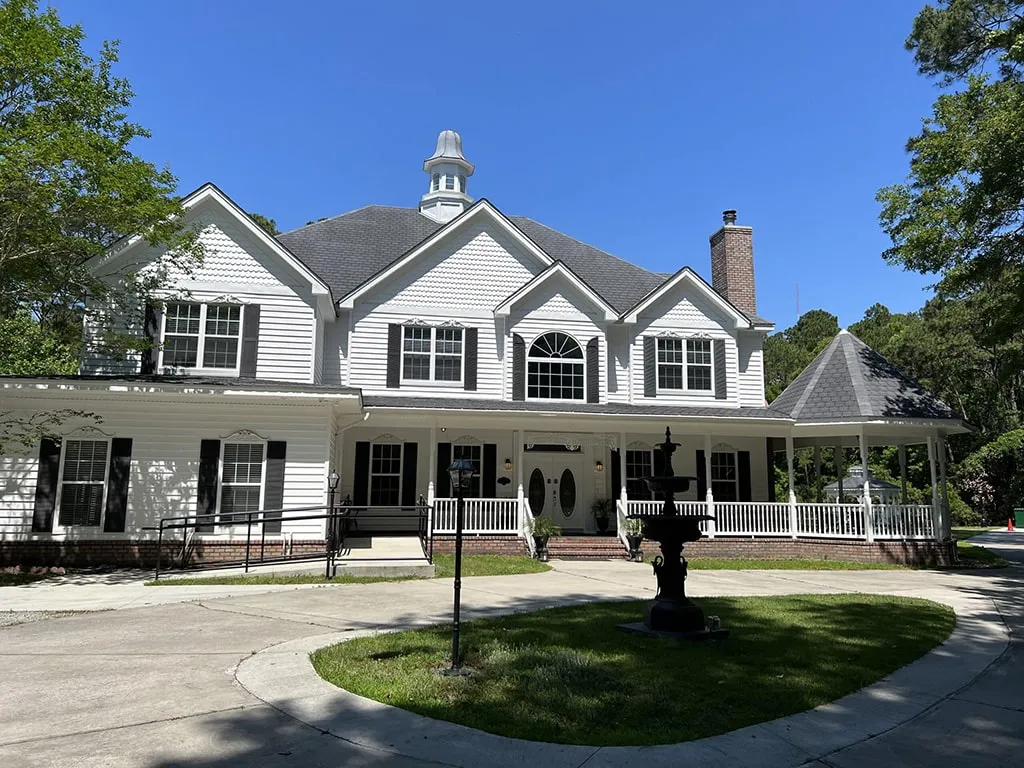

Advanced Treatment with Specialized Women’s Care
BriteLife Recovery South Carolina
2200 Main St, Hilton Head Island, SC 29926
BriteLife Recovery in Hilton Head Island, South Carolina delivers evidence-based detox and residential programs plus a nearby women’s residential program offering gender-specific, trauma-informed care for substance use and co-occurring conditions.
Women’s residential program (Bluffton)
Co-occurring disorder support and MAT

Family therapy and support
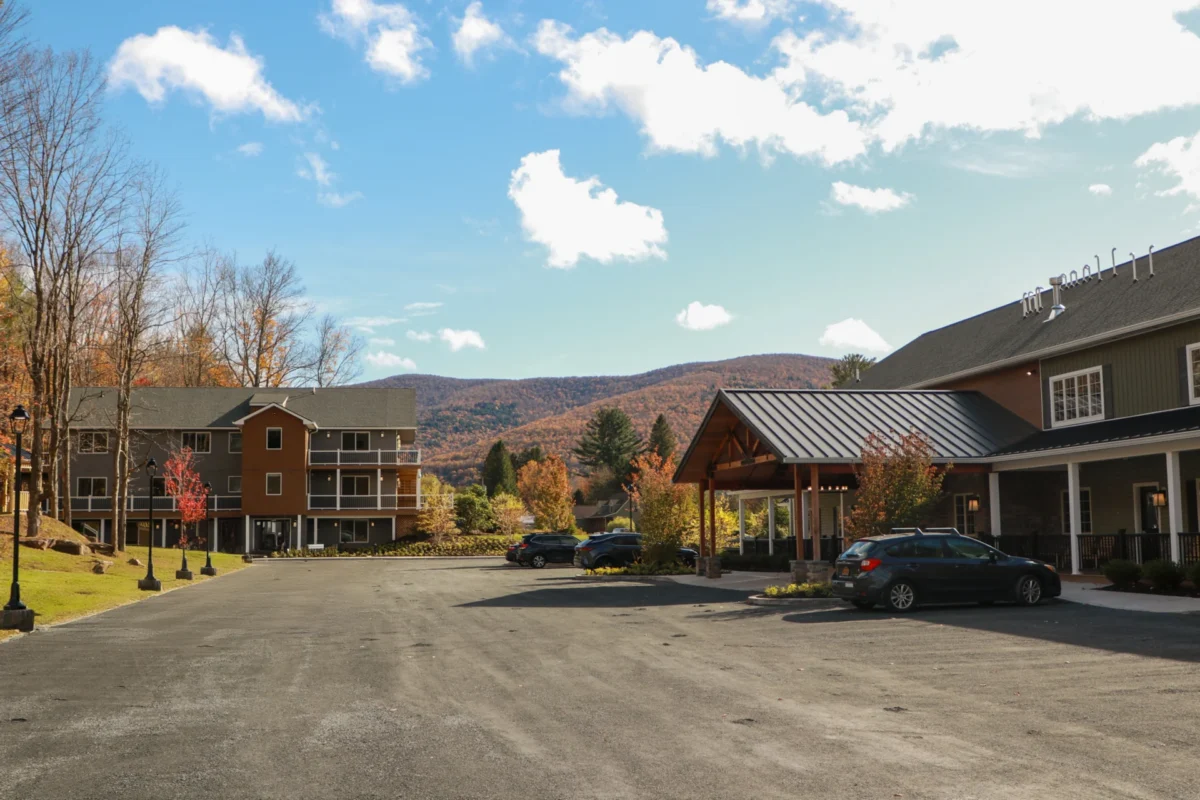
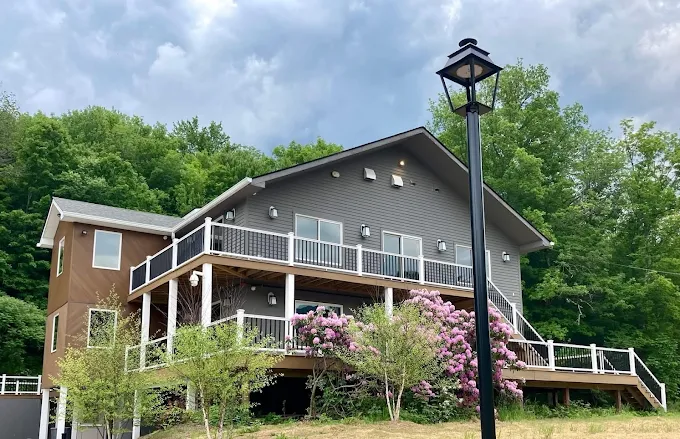






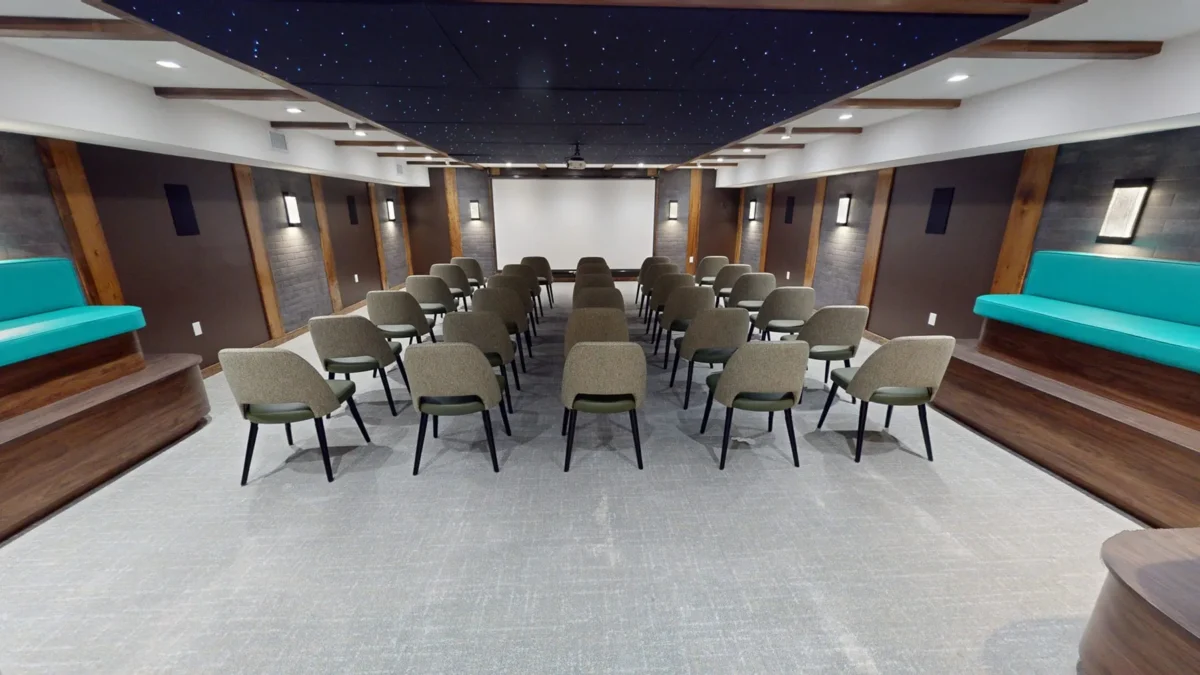
Catskills Retreat with Full Continuum of Care
BriteLife Recovery at Lexington (NY)
2774 NY-42, West Kill, NY 12492
Nestled in the serene Catskill Mountains, BriteLife Recovery at Lexington (NY), our West Kill, New York facility offers a tranquil, supportive setting with state-of-the-art addiction treatment. We combine holistic and evidence-based approaches and tailor programs to each client to support lasting recovery and a comprehensive path to wellness.
Customized Treatment Plans
Holistic Approach
Family Therapy
What to Expect in Trauma-Informed Addiction Treatment
If you're considering trauma-informed addiction treatment, here's what you can typically expect:
Comprehensive Assessment
Treatment begins with a thorough evaluation that considers not just substance use patterns but also trauma history, mental health symptoms, physical health, and social supports. This assessment informs a personalized treatment plan that addresses your specific needs.
Stabilization and Safety
Before deeper therapeutic work begins, the focus is on establishing physical and emotional safety. This may include medically supervised detoxification, medication management, and learning basic coping skills to manage overwhelming emotions.
Integrated Treatment
Rather than treating trauma and addiction separately, evidence supports addressing both simultaneously. This integrated approach recognizes that trauma symptoms often trigger substance use, while substance use can exacerbate trauma-related difficulties.
Skill Building
Throughout treatment, you'll develop practical skills for managing triggers, regulating emotions, and building healthy relationships. These skills form the foundation for long-term recovery.
Aftercare Planning
Trauma-informed treatment extends beyond the initial program. Comprehensive discharge planning ensures continuity of care and ongoing support for sustained recovery.
Finding the Right Trauma-Informed Program
When evaluating addiction treatment programs, consider asking these questions:
- Does the program screen for trauma history and PTSD?
- Are staff trained in trauma-informed principles and practices?
- Does the program integrate evidence-based trauma therapies?
- How does the program create physical and emotional safety?
- Is there integration between addiction treatment and mental health services?
- What holistic or body-based approaches are offered?
Trauma-Informed Care at BriteLife Recovery
At BriteLife Recovery, we understand that both substance use and mental health challenges often stem from disconnection—from self, from others, and from a sense of meaning or purpose. Our trauma-informed approach recognizes that healing begins by rebuilding these connections within a safe, supportive environment.
Our integrated model brings together medical, psychiatric, clinical, and wellness services to support whole-person healing. Rather than treating trauma as separate or secondary, we integrate trauma-responsive principles throughout all aspects of care, providing a foundation of safety, empowerment, and compassion.
Treatment options include:
- Medical Detox – Safe, medically supervised withdrawal management with trauma-informed care from day one
- Residential Treatment – Immersive programming in supportive environments at our Pennsylvania, New York, and South Carolina locations
- Outpatient Services – Flexible options through BriteLife Behavioral Health at Princeton in New Jersey for those who need ongoing support while maintaining daily responsibilities
Our specialized programming includes Nature-Informed Therapy, Adventure Recovery, creative expression groups, and evidence-based individual and group therapy—all delivered within a framework that honors each person's experiences, identities, needs, and goals.
Taking the First Step
If trauma has played a role in your struggle with substances, you're not alone—and you don't have to face it alone. Trauma-informed addiction treatment offers a path forward that addresses not just the symptoms of addiction but the deeper wounds beneath them.
Recovery is possible. Healing is possible. And with the right support, you can rebuild connection—to yourself, to others, and to a life of meaning and purpose.
Ready to begin healing?
BriteLife Recovery offers trauma-informed addiction treatment at our residential facilities in Pennsylvania, New York, and South Carolina, plus outpatient services through BriteLife Behavioral Health at Princeton in New Jersey.
Our compassionate team understands the connection between trauma and substance use—and we're here to help you rebuild connection to yourself, to others, and to a meaningful life. Call us today to learn how our trauma-informed approach can support your recovery journey.